

I almost skipped this one because of the title. “I Made Friends with the Second Prettiest Girl in My Class” sounds like it was generated by an algorithm designed to make you scroll past. It’s long, it’s weirdly specific, and the ranking thing feels gimmicky. Then I actually read it. And the title turns out to be the bait for something genuinely thoughtful about how isolated people find each other.
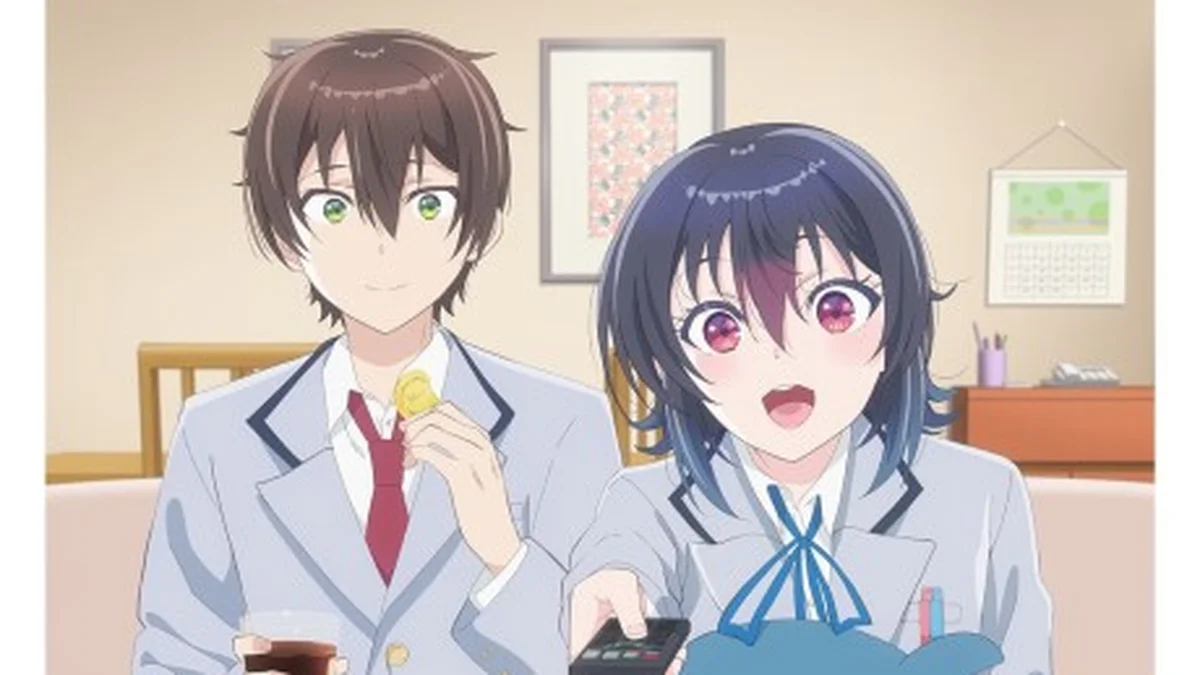
This is a school romcom that earns its emotional beats instead of manufacturing them. Maki Maehara is the kind of protagonist who doesn’t brood about being alone. He just… is alone. And Umi Asanagi, the so-called second prettiest girl, isn’t a fantasy. She’s a person who happens to be pretty and also happens to be just as bad at connecting with people as Maki is. Their friendship forms not because the plot demands it, but because two awkward people run out of reasons to avoid each other.
TL;DR
- Nine volumes published with the series confirmed to end at volume 10. MAL score of 8.08 for the light novel. Anime currently airing (April through June 2026) adapting the early volumes. The manga is licensed in English by Yen Press but the light novel has no official English translation yet. If you like romcoms that take their time, respect their characters, and don’t rely on misunderstandings to create tension, this is one of the best in the genre right now.
What Makes This Series Different From Other Romcoms?
Pacing. Most LN romcoms rush to the confession or drag it out with artificial obstacles. This one does neither. Maki and Umi become friends first. Real friends. The kind where you’re comfortable being quiet in the same room. And the romance grows out of that friendship so naturally that by the time you realize what’s happening between them, they’re realizing it too.
The “second prettiest” framing isn’t just clickbait. Umi exists in the shadow of Yuu Amami, the actual prettiest girl in class, and that dynamic shapes how Umi sees herself. She’s not insecure about it in a dramatic way. It’s more subtle than that. She’s used to being noticed second, and that experience made her guarded in ways that mirror Maki’s own isolation. When these two connect, it feels earned because they’re both learning to let someone in for the first time.
How’s the Writing?
Clean. Functional. Not trying to be literary and better for it. The prose gets out of the way and lets the character interactions carry the story. Dialogue feels natural for high schoolers without being cringe. Internal monologue doesn’t overstay its welcome. If you’ve read enough LN romcoms to be tired of protagonists who narrate every thought for three pages, this is a relief.
The volumes are quick reads. I got through each one in a couple of hours. That’s partly the efficient writing and partly because the character dynamics genuinely pull you forward. I kept reading not because of cliffhangers or plot twists, but because I wanted to see what Maki and Umi would do next. That’s a harder thing to achieve than any twist.
One thing the author does well: restraint. There’s no narrator explaining what the metaphor is. When Maki notices something about Umi, the observation sits there and you draw your own conclusions. The writing trusts you to read between the lines. Coming from a genre where protagonists routinely explain their own character development in real time, that trust is refreshing.
Does It Handle the Romance Well?
Better than most. By volume 8, Maki and Umi are engaged. That’s not a spoiler meant to deflate the tension. Knowing where they end up doesn’t diminish the journey of getting there, because the series is about how two people learn to be vulnerable with each other, not whether they’ll get together.
The supporting cast helps. Yuu Amami (the “prettiest girl”) has her own arc that develops alongside the main relationship. She’s not reduced to a rival or a plot device. The community loves debating her role in the story, and the author gives her enough depth to justify that investment. Abel is the friend who actually functions as a friend rather than just a comedy foil.
What About the Anime?
The anime is airing right now (April through June 2026) and adapting the early volumes. If you’re watching and enjoying it, the light novel has substantially more content. Nine volumes published, ending confirmed at ten. The anime can only cover a fraction of the full story in one season.
I’d recommend reading the novels over waiting for more anime. The internal perspective matters here. So much of what makes Maki compelling is what he’s thinking and not saying. Animation can imply that through visual direction, but the novels make it explicit. You understand his hesitation, his small moments of bravery, his gradual realization that Umi means more to him than he initially allowed himself to consider.
Where Can You Read It?
Here’s the frustrating part: no official English light novel translation exists yet. The manga has an English release through Yen Press, but the LN itself relies on fan translations. The anime’s commercial success might change that. Publishers pay attention when a series is trending, and this one absolutely is.
For now, your options are fan translations or reading the manga (which is adapting volume 3 currently). If you read Japanese, the novels are available through standard digital platforms. For everyone else, supporting the manga through Yen Press is the best way to signal demand for the light novel license.
It’s a frustrating situation for a series this good. The anime is generating real buzz, the manga license proves there’s English-language demand, and the light novel is the definitive version of the story. Every other format is adapting from it. The fact that it doesn’t have an official English release yet feels like a gap that won’t stay open much longer. When it does get picked up, this will be one of those series where early readers get to say they found it before the license announcement.
Who Should Read This?
Anyone tired of romcom light novels that treat romance as a destination rather than a process. If you burned through Toradora and wanted something with a similar emotional core but more patience, this delivers. If you liked The Angel Next Door Spoils Me Rotten but wished it had more teeth, this has that. It’s not afraid to let its characters sit in uncomfortable silence before they figure things out.
Skip it if you want rapid plot progression or harem dynamics. This is a two-person story with a supporting cast. The pace is deliberate. Nothing explodes. Nobody gets transported to another world. Two awkward teenagers become friends and then something more. That’s the whole pitch.
For me, that’s enough. I read a lot of romcom LNs that try to do everything at once and end up doing nothing well. This one picks a lane and commits. The emotional payoff in the later volumes is stronger because the series spent so long building the foundation. By the time you hit volume 8, you’re not cheering because the plot told you to. You’re cheering because you watched these two people figure it out in real time across hundreds of pages, and it actually felt like growth instead of a script.