
The Monogatari anime is one of the best adaptations in the medium. SHAFT took a series built entirely on internal monologue and made it work on screen through abstract visuals, rapid-fire text cards, and a visual language that has no equivalent anywhere else in anime.
And it still had to leave half the story on the cutting room floor.
That’s the core tension. The anime isn’t bad. It’s remarkably faithful. But NisiOisin writes so much that even a faithful adaptation has to trim constantly, and what gets trimmed is exactly the stuff that makes the novels feel like a different experience entirely, the connective tissue between the moments everyone remembers, the psychological depth that gives those moments their weight.
TL;DR
The anime shows you the best moments of each arc. The novels give you everything between those moments that makes them hit harder. SHAFT’s visual direction adds things the novels physically can’t replicate. NisiOisin’s uncut interior monologue adds things the anime physically can’t fit. Neither medium tells the complete story alone. The community consensus is watch the anime first, then read the novels arc-by-arc to experience both halves together.
How Faithful Is the Anime Adaptation?
More faithful than it has any right to be, given the source material.
Readers who go from the anime to the LN arc-by-arc consistently report being surprised by how close SHAFT got. The plot events match. The character dynamics are accurate. The emotional beats land in both versions. SHAFT didn’t rewrite Monogatari. They compressed it.
The compression is the issue. Every arc is shorter on screen. Not by a little. The anime trims conversations, internal monologue, banter, and tangents that in the novels sometimes run for pages before looping back to the point. The anime keeps the destination. The novels keep the journey.
One reader on r/araragi put it perfectly: “I’m reading the light novels then watching the corresponding anime arcs. It’s really impressive just how close of an adaptation the show is.” That’s the common experience. Impressive closeness, but closeness to something that’s simply too large for any screen adaptation to fully contain.
What Does the Anime Add That the Novels Can’t?
SHAFT’s visual direction is irreplaceable. No other studio could have adapted this series, and no amount of reading can replicate what they built.
The abstract visual metaphors. Senjougahara’s starry sky scene. The way SHAFT visualizes Araragi’s psychological state through color, framing, and surreal imagery. The toothbrush scene in Nisemonogatari exists as a piece of animation that transcends whatever the novels were doing on the page. The novels describe the scene. SHAFT made it iconic, turned it into something people who’ve never watched the show have probably seen screenshots of, a piece of animation that lives rent-free in the collective memory of anyone who was watching anime in 2012.
The soundtrack. Monogatari’s OPs are character statements. Each one tells you something about who that character is in that arc. “Staple Stable.” “Renai Circulation.” “Platinum Disco.” The novels have silence. The anime has music that fans associate permanently with specific characters and moments.
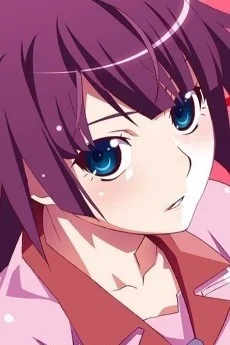
Voice acting. Kamiya Hiroshi as Araragi and Chiwa Saito as Senjougahara define those characters for most fans. Reading the novels after hearing their voices means you’re reading in their voices. That’s not a flaw. That’s the anime permanently enhancing the reading experience.
The rapid-fire text cards. This is SHAFT’s most clever compromise. NisiOisin writes pages of internal monologue. SHAFT can’t include all of it. So they flash text on screen too fast to read, acknowledging the source material exists without slowing the anime down. It’s a gesture of respect toward the novels.
What Do the Novels Add That the Anime Can’t?
Everything between the highlights. All of it.
Araragi’s full internal monologue is the biggest difference. The anime gives you his actions and some narration. The novels give you his complete thought process. He argues with himself. Contradicts himself mid-paragraph. Goes on tangents about tangents that circle back into genuine insight buried inside what looked like a throwaway joke. The text cards in the anime are acknowledgments of this interior voice. Reading it uncut is a fundamentally different experience.
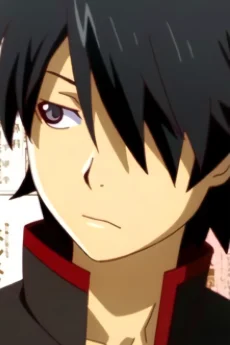
Banter gets trimmed hard in the anime. Araragi and Kanbaru’s conversations are consistently funnier in the novels because the anime cherry-picks the best exchanges and drops the rest. Same with Senjougahara. The full dialogues are where relationships actually develop. The anime shows you the highlights. The novels show you the groundwork.
POV access transforms certain arcs. Hanekawa’s chapters in Nekomonogatari: White put you inside her head in a way the anime can’t replicate. You understand her denial and self-deception from the inside. The anime conveys it visually. The novel makes you experience it firsthand.
Nadeko’s unreliable narration is more unsettling on the page. The anime shows you she’s unreliable. The novel traps you inside her skewed perception until you realize how wrong everything is. Uncomfortable. Brutally effective.
NisiOisin’s wordplay. Entire scenes are built around Japanese linguistic play that partially dies in translation and completely disappears in the anime. Character names that are puns. Chapter titles with double meanings. The anime can’t represent any of this.
Which Arcs Change the Most Between Formats?
Kizumonogatari has the biggest gap. The movie trilogy is gorgeous but action-focused. The novel is Araragi processing what happened to him. His relationship with Kiss-Shot develops through pages of internal reflection, not fight choreography. The philosophical weight of the ending has reasoning the movies compress into minutes.
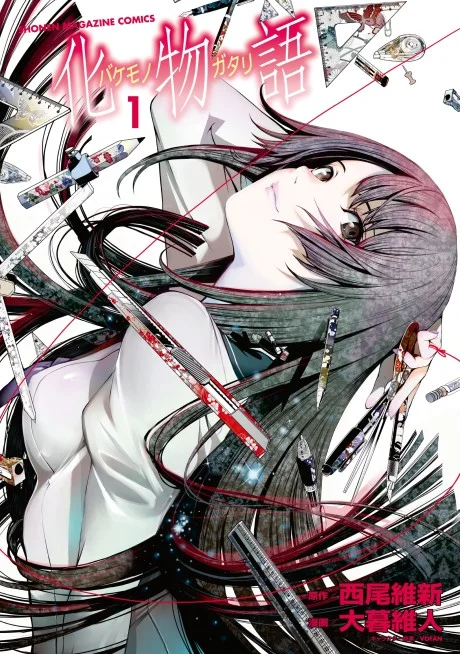
Nekomonogatari: White transforms completely. Hanekawa narrates. Her voice is so different from Araragi’s that switching narrators feels like reading a different series. The anime gives you her arc through Araragi’s eyes. The novel gives you her arc through her own.
Owarimonogatari builds tension the anime compresses. Ougi’s mystery has misdirection that works because you spend more time inside Araragi’s suspicion. The anime fits weeks of psychological tension into episodes.
Nisemonogatari is arguably worse in the novels. The fanservice reads more explicitly uncomfortable in prose. SHAFT’s visual abstraction actually makes those scenes easier to process. This is the one arc where the anime’s interpretation might be the better format.
Bakemonogatari is the closest adaptation. SHAFT nailed the tone early. The differences exist but they’re smaller here than in later arcs.
Should You Watch or Read First?
Watch first. Always.
The anime is more approachable. SHAFT’s visual direction provides context that makes the story easier to follow. The voice acting locks in character voices that enhance the reading experience afterward. And the adaptation is faithful enough that watching first doesn’t spoil the novels. It sets up a foundation that makes reading more rewarding.
Then read the novels arc-by-arc. Many fans describe this as discovering a layer of the story they didn’t know existed. Scenes you thought you understood gain depth you couldn’t see from the anime alone. The anime becomes better retroactively once you understand what it was compressing.
The audiobook option exists for Bakemonogatari on Audible. Multiple voice actors, produced like a radio play. Fans describe it as possibly the best format for the English version. Worth trying before committing to the full novel series.
What About Off Season and Monster Season?
These are the post-Final Season novels that don’t have official English translations. Off Season and Monster Season contain new story arcs that the anime hasn’t adapted. Fan translations exist and the r/araragi community maintains them actively.
The Off Season and Monster Season anime adaptations were announced. When they air, anime-only fans will get these stories. For now, the only way to experience post-Zoku Owarimonogatari content is through the novels.
If you’ve finished the anime and want more, this is where the novels stop being a nice supplement and become the only way forward. These arcs haven’t reached any screen yet and might not for years depending on when the adaptation schedule catches up to NisiOisin’s output.
Frequently Asked Questions
Is the Monogatari anime a faithful adaptation?
Yes. Remarkably so. SHAFT preserved the plot, character dynamics, and emotional beats accurately. The main difference is compression. NisiOisin's prose is too dense for any adaptation to include everything. The anime trims internal monologue, extended banter, and tangential passages while keeping the core story intact.
Should I watch the anime or read the light novel first?
Watch the anime first. The community consensus is universal on this. SHAFT's visual direction makes the story more approachable. Voice acting defines the characters. The adaptation is faithful enough that watching first enhances rather than diminishes the reading experience.
What does the anime cut from the light novels?
Internal monologue (the biggest cut), extended dialogue, NisiOisin's wordplay, tangential passages, and slower character development scenes. The anime keeps the plot and emotional beats. The novels keep the full psychological texture between those beats.
Is the Monogatari light novel better than the anime?
Different, not better. The anime has SHAFT's irreplaceable visual language, music, and voice acting. The novels have uncut interior monologue and psychological depth the anime has to trim. Fans who experience both describe the combination as the definitive way to understand the series.
Are all the Monogatari novels available in English?
Through Zoku Owarimonogatari (end of Final Season), yes. Off Season and Monster Season are not officially translated. Kodansha USA absorbed Vertical and stalled new releases. Fan translations for the unadapted content are maintained by the r/araragi community.
Which Monogatari arc is most different between anime and light novel?
Kizumonogatari. The movie trilogy focuses on action and visual spectacle. The novel focuses on Araragi's psychological processing and his evolving relationship with Kiss-Shot through pages of internal reflection. Nekomonogatari: White is the second biggest difference due to Hanekawa's full first-person narration.