
The Sentenced to Be a Hero anime did something rare: it made people read the light novel not because the adaptation was bad, but because it was good enough to make them want more. Season 1 aired from January to March 2026, adapted volumes 1 and 2 in 12 episodes, scored an 8.15 on MAL, and generated episode discussion threads with thousands of upvotes. By most metrics, this is one of the best light novel adaptations in recent memory.
So why read the novels at all? Because “faithful” and “complete” aren’t the same thing. The anime is faithful. It hits the right beats, preserves the right moments, earns the right emotional payoffs. But it’s 12 episodes adapting two volumes of a series whose strength is in the details — the internal monologue, the world-building texture, the institutional logic that makes the dark fantasy setting feel like a real system rather than a backdrop. Those details don’t survive the compression from page to screen.
TL;DR
The anime is a genuinely good adaptation that preserves the plot, character dynamics, and emotional beats of volumes 1-2. What it cuts is depth: Xylo’s internal reasoning during fights, the procedural detail of the penal hero system, the slower character moments between action sequences, and the world-building that makes the institutional darkness feel real rather than decorative. If you liked the anime, the novels give you the extended director’s cut. If you loved the anime, the novels explain why everything you loved works the way it does.
How Faithful Is the Adaptation?
Very. The plot events from volumes 1 and 2 are adapted accurately. Character introductions, the formation of Unit 9004, the first major missions, the church arc — all present and in order. The anime doesn’t rearrange arcs or invent original storylines. It doesn’t cut named characters or skip subplots. The structural fidelity is high.
The pacing is where it gets interesting. Two volumes in 12 episodes gives each volume roughly 6 episodes. That’s a comfortable ratio. Compare it to something like Index Season 3 cramming 9 volumes into 26 episodes and you appreciate how much room the Sentenced to Be a Hero adaptation gives itself. No arc feels rushed. No character moment gets skipped for time.
Where the anime makes cuts, it cuts consistently: internal monologue, exposition, and quiet transitional scenes. These aren’t errors. They’re the necessary tradeoffs of adapting prose to a visual medium with a fixed episode count. The anime trusts animation, voice acting, and music to convey what the novels convey through text. Most of the time, that trust is justified.
What the Anime Adds
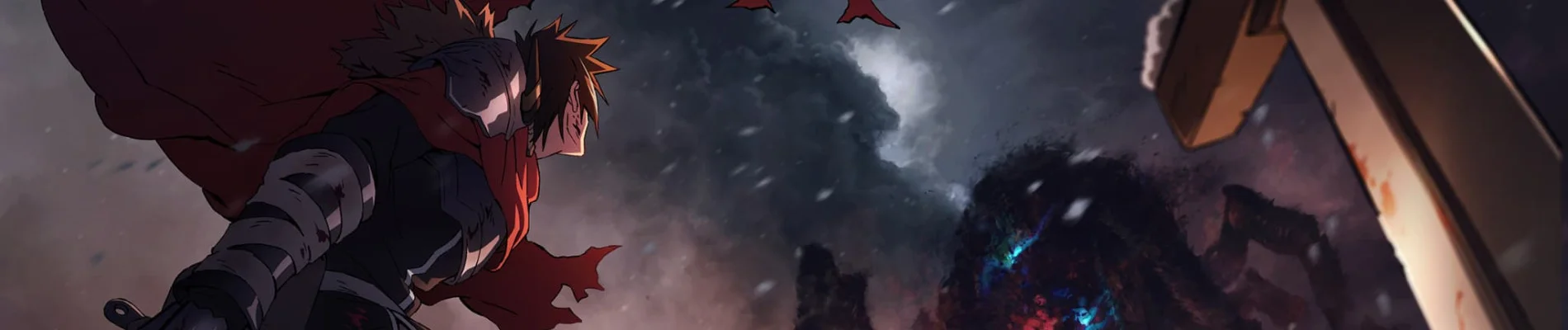
The fight animation is the headline addition. The anime drew Unlimited Blade Works comparisons from the community for a reason — the action choreography is fluid, impactful, and visually ambitious. Xylo’s combat style, which the novels describe through tactical analysis, becomes kinetic on screen. You see the speed. You feel the weight of the hits. The faerie encounters gain a visual horror that prose has to work harder to achieve.
Voice acting transforms several characters. Xylo’s dry delivery, Teoritta’s emotional range, Norgalle’s intensity — the voice cast brings a physicality to these characters that complements the novels rather than replacing them. Reading the novels after watching the anime means hearing these voices in your head, which genuinely enhances the experience rather than limiting it.
The soundtrack works hard to establish mood. The series’ darker moments land differently with music. The quieter character scenes between Xylo and Teoritta gain emotional weight from score cues that the novels handle through prose rhythm and pacing. Both approaches work. They just work differently.
And the world itself looks good. The institutional architecture of the penal hero system — the barracks, the mission briefings, the bureaucratic paperwork that governs criminal heroes — gets a visual identity that grounds the setting. You believe this system exists because you can see the infrastructure. The novels describe it. The anime shows it.
What the Novels Add
Everything between the highlights. The anime gives you the moments people talk about in episode discussion threads. The novels give you everything that makes those moments matter.
Xylo’s Internal Reasoning
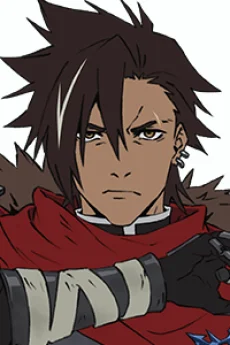
This is the biggest gap. Xylo in the anime is competent, strategic, and occasionally funny. Xylo in the novels is all of that plus a constant internal narrator whose thought process during fights and interpersonal moments reveals a character far more complex than the anime has time to show.
During combat, the novels give you his real-time threat assessment. He’s evaluating faerie behavior patterns, calculating whether his squad members are positioned correctly, deciding which of several bad options is least likely to get someone killed. The anime shows him making good decisions. The novels show you the decision-making process itself, and it’s the difference between watching a chess game and understanding why each piece moved.
His relationship with Teoritta is more layered on the page. The anime captures the dynamic — reluctant protector, unexpected father figure — but the novels give you the specific ways Xylo adjusts his behavior around her. The small accommodations he makes without acknowledging them. The internal conflict between his detachment from the world and his growing attachment to one person in it. Prose handles internal contradiction better than animation does, and this relationship is built on internal contradictions.
The Institutional Detail
The penal hero system in the anime functions as a premise. In the novels, it functions as a machine with visible gears. You learn how assignments are distributed. How the system classifies threats. What happens to heroes who refuse missions. How the church’s involvement shapes which units get sent where. The bureaucratic reality of criminal conscription is detailed enough that you understand not just that the system is unjust, but specifically how it’s unjust and who benefits from each injustice.
This institutional texture is what separates Sentenced to Be a Hero from generic dark fantasy. The anime preserves the darkness. The novels show you the specific machinery producing it.
Squad Dynamics in the Quiet Moments
The anime nails the action dynamics — how the squad fights together, who covers whom, what each member’s role is in combat. What it necessarily compresses is the downtime. The conversations in barracks. The meals together. The small arguments about nothing that reveal everything about how these people relate to each other when they’re not trying to survive.
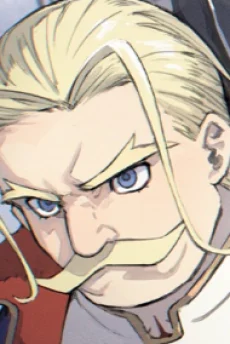
Norgalle’s recklessness in combat, for instance, is a character trait in the anime. In the novels, it’s a character study. The prose gives you enough moments between fights to understand what’s behind the willingness to sacrifice a limb without hesitation. The anime makes it look cool. The novels make it feel heavy.
The trust-building that turns a squad of criminals into something resembling a family happens gradually in the novels through accumulated small moments. The anime conveys it through shorthand. Both versions reach the same emotional destination. The novels give you the full road trip.
Which Should You Experience First?
Either works. The anime is a strong entry point that’ll tell you immediately whether the premise and characters appeal to you. If they do, the novels expand on everything you liked. If they don’t, you’ve spent 4 hours finding out instead of 8-10.
Starting with the novels gives you the definitive version of volumes 1-2 from the beginning. You get Xylo’s full internal world, the institutional detail, the quieter character moments. Then watching the anime afterward adds voice acting, animation, and music to a story you already understand deeply. It’s a different kind of enhancement — visual and auditory richness applied to a narrative foundation you’ve already built.
The practical argument for anime-first: Season 1 is 12 episodes. You can watch it in a day. If it hooks you, start the novels at volume 1 for the full experience or volume 3 to continue where the anime leaves off. If Season 2 covers volumes 3-4 as expected, you’ll have the same on-ramp after that season too.
There’s no wrong order. This isn’t a case where one version makes the other redundant. They complement each other in ways that genuine fans of the series will want to experience both. The anime brings the world to life. The novels take you inside the heads of the people living in it.
FAQ
Q: Does the anime skip any major plot points?
A: No. The plot events from volumes 1-2 are faithfully adapted. What’s reduced is internal monologue, world-building exposition, and quiet character scenes between action beats.
Q: Can I start the light novel at volume 3 after watching the anime?
A: Yes. The adaptation is faithful enough that you won’t miss critical plot information. Reading volumes 1-2 later for the expanded content is recommended but not required.
Q: Is the anime better than the light novel?
A: They’re different strengths. The anime has better action (animation, music, voice acting). The novels have better characterization (internal monologue, quiet moments, institutional detail). Neither replaces the other.
Q: How much content is ahead of the anime?
A: Five volumes (3-7) as of mid-2026. Season 2 will likely cover volumes 3-4, still leaving three volumes of unadapted material.
Q: Will Season 2 match Season 1’s quality?
A: Unknown, but the source material for volumes 3-4 is strong. If the adaptation maintains the same pacing (two volumes per 12-episode season), there’s no reason it shouldn’t.