

This article contains affiliate links. If you buy through these links, we earn a small commission at no extra cost to you.
There’s a scene early in the books where Lugh spends most of a chapter setting up a single kill. Sightlines, exit routes, what the target eats, which servant can be bought. The anime version of that material is about ninety seconds long and it’s fine, it’s shot competently, it moves. And if you only watched the show you’d have no idea that the ninety seconds used to be the whole point.
That’s basically the whole comparison in one scene. Short version’s below if that’s all you need, the rest of this took longer to write than I expected.
The Short Version
Season 1 (SILVER LINK, Fall 2021, 12 episodes) adapted volume 1 faithfully in terms of events and generously in terms of pacing. What it changed is the ratio. The books are maybe seventy percent tradecraft and thirty percent harem romance, the show plays closer to the reverse, and that inversion is why anime-only viewers think this is a decent-but-generic isekai while book readers keep insisting it’s something better. Season 2 premieres January 2027 and starts at volume 2. If you want the version of this story where the planning is the point, read the books, starting at volume 1.
The adaptation kept the wrong half
Here’s the thing I want to be fair about upfront: SILVER LINK didn’t butcher anything. One volume across twelve episodes is a luxurious adaptation budget, the events all happen in the right order with nobody cut, and the production is solid if unspectacular, some off-model episodes in the middle stretch aside. This is not a TanMoshi situation and I won’t pretend otherwise for drama.
What happened instead is subtler and, I’d argue, worse for the series’ reputation. Adaptation is triage, you keep what the camera likes. And the camera likes the girls. Dia’s magic lessons, Tarte’s devotion, Maha’s business-front scenes with their little romantic undercurrents, all of that translates to screen beautifully cause it’s faces and voices and blush frames. The camera does not like watching a man think about sightlines for eleven pages. So the show kept every romance beat and compressed the procedural connective tissue between them, and the result is technically faithful and tonally inverted. Book Lugh reads like an operator who picked up a found family almost by accident, which honestly might be the whole engine of the series. The show’s version just kind of… has a harem protagonist who’s good at his job. Not wrong exactly. Just missing the accident part.
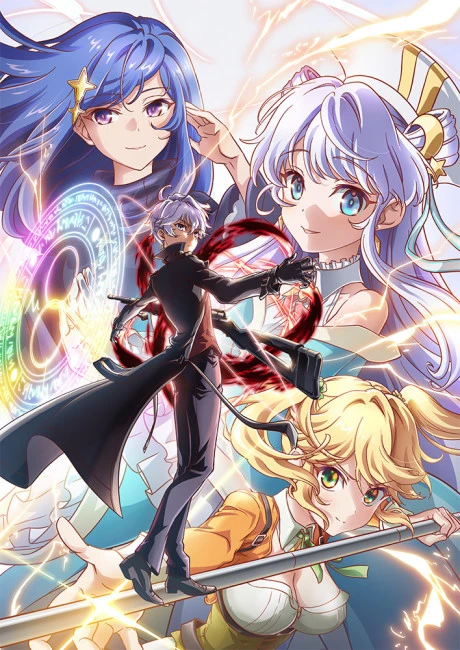
I noticed this most on a rewatch last month, actually. I put on a few episodes to prep for writing this cluster while fresh off rereading volume 1, and scenes I remembered as “the anime doing the book” turned out to be the anime doing about a third of the book and filling the rest with reaction shots. Memory is generous like that. The rewatch was less fun than I expected and I stopped after episode 8, which I’m reporting cause it surprised me, I liked this show fine in 2021.
What the anime genuinely does better
The action, when it commits. There’s a sequence late in the season, the big infiltration setpiece, where the choreography sells Lugh’s competence better than prose can, because competence in motion is just faster on screen. Two or three fights in the season hit that level and they’re legitimately great.
The goddess scenes too. The book plays the reincarnation negotiation mostly straight and the anime gives it a strange, chilly art direction that I think improves the material, its one of the few places where the show has a visual idea the book doesn’t supply. And the OP was a genuine earworm that lived in my head for most of that fall, which matters more than critics usually admit for a weekly show.
I’ll also say the casting is strong across the board. Lugh’s VA threads the needle of sounding young while carrying an old man’s flat affect, which is the entire character, and I don’t know how you’d do it much better. I sampled one dubbed episode during the rewatch out of curiosity, episode 3 I think, and the dub Lugh goes flatter in a way that reads more robotic than world-weary, though one episode is not a fair sample and dub-versus-sub is a fight I stay out of professionally.
What the books do that the show can’t
The planning, obviously, we’ve covered that. But the deeper loss is the why underneath the planning. In the books, Lugh’s tradecraft is characterization. Every over-prepared contingency is a sixty-year-old tool’s inability to trust anything, and the slow arc of the early volumes is him applying assassin logistics to problems like “my friend seems sad,” cause it’s the only language he has. The show has no way to render that without narration it mostly declines to use, so the same scenes read as generic kindness instead of a damaged operating system misfiring in a warm direction. That reframe is the actual difference between the versions, and it’s why I keep telling people the books are doing something the show’s reputation doesn’t suggest.
The pacing math also works differently on the page. Twelve episodes for one volume sounds slow but the show still trims, because a volume of this series is denser than its page count, the training material especially. The book’s version of the childhood arc has this repetitive, procedural rhythm, drill after drill after drill, that the anime compresses into montage. The montage is the right call for television! But the rhythm was doing something, it made the skills feel earned by boredom the way real skills are, and there isn’t a screen version of that which anyone would watch.
The Season 2 question
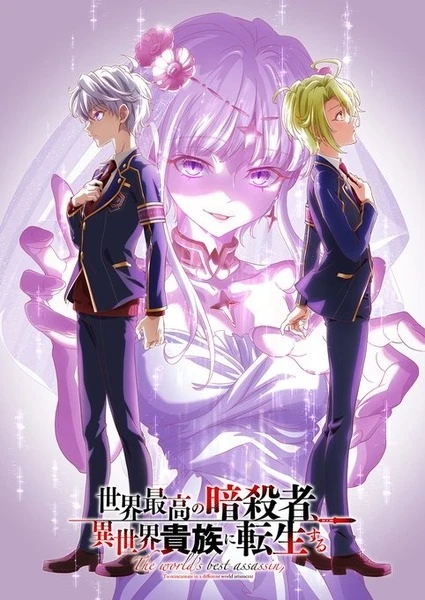
Season 2 lands in January 2027 with SILVER LINK again, starting at volume 2, and I genuinely don’t know which version of the adaptation philosophy we’re getting. The S2 material has more mission structure than volume 1 did, which could push the show back toward the procedural side. Or the same triage logic applies and we get the romance beats with faster connective tissue. The trailer doesn’t settle it either way, I’ve watched it twice and come away with different predictions each time, so I’m declining to make one on the record this time. My track record on these is bad enough that abstaining counts as growth.
What I’d actually do before January: read volumes 1 and 2. Volume 1 so you have the interior version of the story the show already told you, volume 2 so the new season plays as an adaptation instead of a first exposure. The reading order has the full map, and the review covers whether the series as a whole earns the time. Short version there: first arc absolutely, middle volumes conditionally.
So which version should you pick?
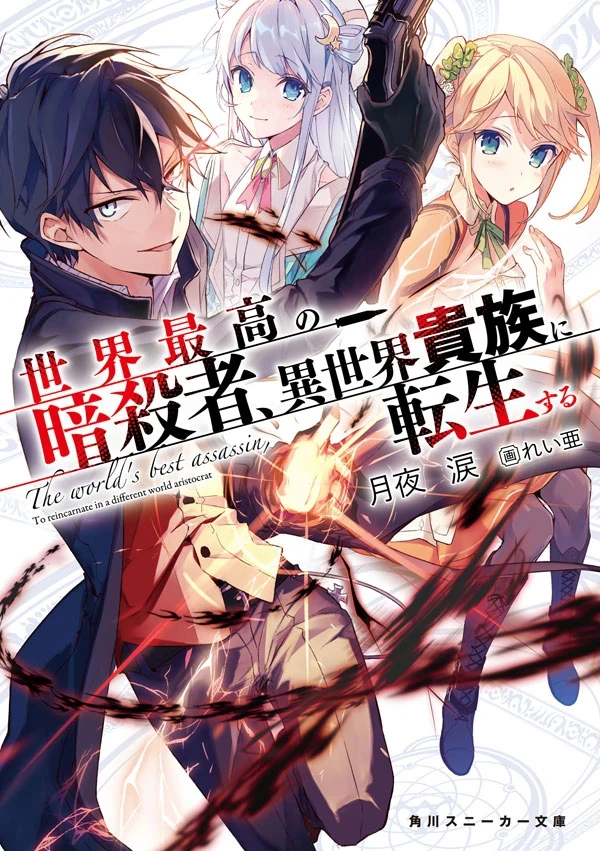
Both orders work here. Watch-then-read gives you the show’s spectacle plus the book’s missing interior, and the book version of volume 1 holds up fine after the anime cause so much of what it does never made it to screen. Read-then-watch makes the anime feel thinner, thats the honest cost, the reaction-shot economy is harder to enjoy when you know what got traded for it.
If you’re only going to do one, do the books. Not cause the show is bad, it’s a perfectly decent seasonal that I enjoyed in 2021 and enjoyed less on rewatch. Cause the books are where the distinctive thing lives. The show’s fine. I’d probably still have the OP stuck in my head if I hadn’t rewatched.
[…] in the middle of the Turning Point 3 aftermath when the fan translation situation got messy. World’s Finest Assassin readers don’t have that option. If the light novel stops, the story stops, full stop, and 141 abandoned web chapters from a different draft of the […]