
C2C’s adaptation is fine. Not great. Not bad. Fine. Twelve episodes covering volumes 1 and part of 2, solid action animation, competent pacing. It does the job of introducing Teacher and Fran to an audience that might not have picked up the novels otherwise. The MAL score of 7.49 is about right — it’s a clean, functional isekai anime that doesn’t embarrass itself.
The differences between the anime and the LN aren’t about what was changed. C2C played it straight. The differences are about what prose can do that animation can’t, and in this case that gap is wider than the anime’s competent surface suggests. I read the first eight volumes before watching the show, and going back to the anime afterward felt like watching a summary of something I’d experienced in full.
TL;DR
- C2C adapted volumes 1-2 faithfully across 12 episodes (Fall 2022). The action and Fran’s fight choreography translate well to animation. The main loss is Teacher’s internal monologue — his strategic thinking, protective reasoning, and skill analysis are significantly richer in prose. The anime shows you what happens. The novel shows you why Teacher made each decision. Season 2 premieres October 2026. Start at volume 1 if you want the full experience.
What the Anime Gets Right
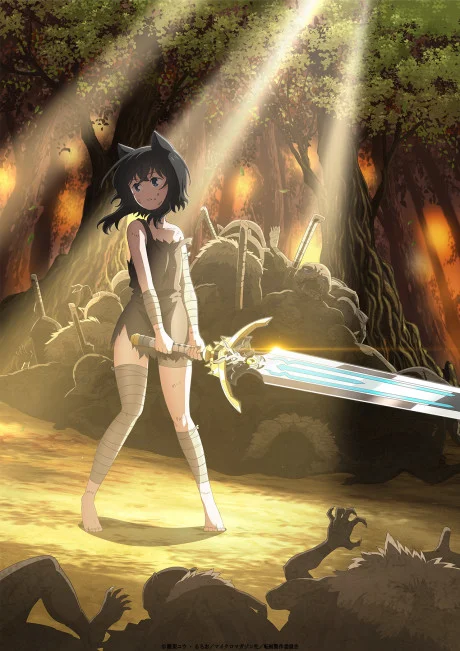
The action. Fran’s combat sequences are where C2C’s adaptation earns its keep. Watching a small cat-eared girl wielding an oversized sword and tearing through monsters has a visual impact that prose describes but can’t replicate. The animation quality is consistent across the 12-episode run — no dramatic drops in the later episodes like some seasonal anime suffer from.
Fran’s character design works. Her stoic expression, the way she handles Teacher in combat, the food scenes (the running gag of Fran’s obsession with meat translates perfectly to animation) — the visual language captures her personality accurately. You get the same Fran from the novels. Quiet, determined, food-motivated, occasionally terrifying in combat.
The pacing is comfortable. Two volumes across 12 episodes gives each arc enough room to breathe without padding. The slave rescue in the opening flows straight into the guild stuff without the pacing lurch I was braced for. The early dungeon crawling too. C2C didn’t try to cram extra volumes in or rearrange the timeline.
For calibration, I’d put this adaptation a clear tier above what Skeleton Knight got and several tiers above the Arifureta situation, which I maintain was dumb fun but sure as hell wasn’t a faithful adaptation. RiaS landed in that middle zone where the studio clearly read the source and cared about the two things that mattered most, Fran’s fights and the food gags, and let everything else be functional. Thats a reasonable triage call for a 12-episode season. It’s also why nobody talks about this show anymore, cause competent-but-safe doesn’t generate clips, and this franchise kind of lives or dies on word of mouth.
What the Anime Loses
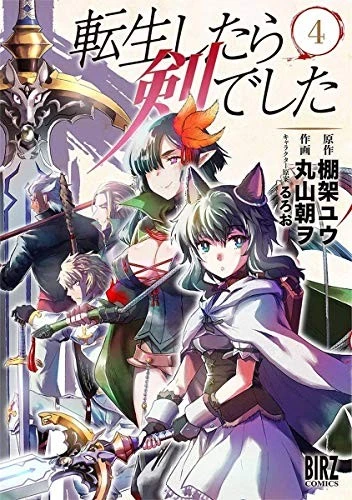
Teacher’s internal monologue. This is the series’ defining feature and the anime’s biggest casualty.
In the novels, Teacher narrates constantly. He’s evaluating every monster’s threat level, calculating which skills to deploy, weighing whether Fran can handle a fight or whether he needs to intervene. During combat, you’re inside his head watching a parent monitor their kid in real time — is she overextending? Should he activate this skill or save it? Is that monster targeting her blind spot?
The anime shows you Fran fighting well. The novel shows you Teacher panicking about whether she’s fighting well enough, running skill calculations in the background, and making split-second decisions about which abilities to share. That layer turns standard isekai combat into something with tactical depth and emotional weight.
Outside of combat, Teacher’s narration carries the humor. His internal commentary about Fran’s eating habits, his observations about the world’s game mechanics, his quiet pride when she levels up — none of that has a visual equivalent. The anime handles it through reaction shots and brief telepathic exchanges. The novel gives you paragraphs of it.
The skill system depth. Teacher absorbs skills from defeated monsters and can share them with Fran. In the novels, the decision-making around which skills to keep, which to sacrifice for upgrades, and which to share with Fran at specific moments drives a resource management layer that the anime skims over. You get “Teacher activated a skill and Fran won the fight.” In the novel, you get the reasoning behind which skill, why that one, and what he gave up to use it.
The emotional weight of Fran’s evolution goal. The anime mentions that Black Cat beastkin can’t evolve. The novel makes you feel why that matters — Fran’s parents died trying, her entire race has been told it’s impossible, and every level she gains is one step closer to breaking a rule the world says can’t be broken. In the anime it’s mostly plot motivation. The novel keeps circling back to it until you realize the whole series is really about that one impossible promise, or at least that’s how I ended up reading it.
Also worth flagging what the anime hasn’t gotten to yet: Amanda. She’s the S-rank adventurer who becomes Fran’s found-family mom a few volumes in, she’s a huge part of why the middle stretch of the series works, and Season 1 ends before she matters. So if you watched S1 and felt like the emotional cast was thin, just Teacher and Fran against the world, that’s not the series being thin, that’s the adaptation stopping right before the family expands. Her dynamic with Teacher, two adults negotiating who gets to worry about the same kid, is a flavor of comedy the first season never got to show. Season 2 should fix this, and honestly Amanda in motion might be the thing I’m most looking forward to.
What the Anime Does Better
Fight choreography in motion. Fran swinging Teacher through a group of monsters reads well on the page. Watching it animated, with actual momentum and impact, is more visceral. C2C’s animation team understood the appeal of a tiny girl with an oversized sentient sword, and they leaned into it. The combat scenes have weight. You feel the hits land. And there’s something satisfying about seeing Teacher glow during skill activation that a prose description of “Teacher activated Flame Slash” can’t match.
The world’s scale. Seeing the cities, the dungeons, the forests rendered visually gives you a sense of scale that prose constructs but can’t show you directly. The anime’s backgrounds are solid for a seasonal production. The guild interiors, the marketplace where Fran buys food, the dungeon environments — all of it creates an atmosphere that supplements Tanaka’s functional but not particularly evocative worldbuilding prose. The anime makes the world feel more lived-in than the novels do.
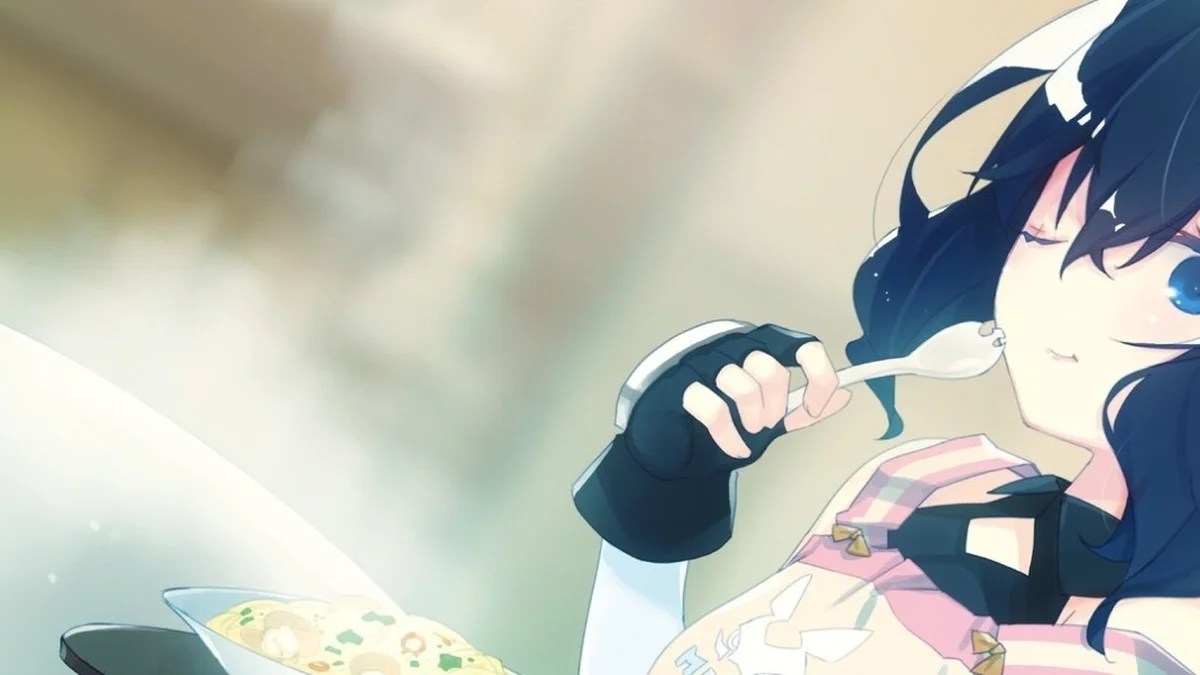
Fran’s expressions during food scenes. This sounds minor, but the food gag is a significant part of the series’ charm. Fran’s stoic face cracking into barely-contained excitement when meat is involved hits harder in animation than in text. The animators clearly enjoyed drawing her food reactions, and those moments provide comedic relief that balances the action-heavy tone.
Should You Read After Watching?
Yes. Start at volume 1.
The plot from the anime is faithfully adapted. You won’t be surprised by major story beats. The reason to read from the beginning is Teacher’s narration — it’s half the series and the anime could only gesture at it. Two volumes is a quick read. The internal monologue turns a decent isekai anime into a genuinely warm father-daughter story with tactical depth.
If you refuse to re-read covered material, volume 3 is a clean pickup point. But you’d be skipping the foundation that makes Teacher’s protective instincts toward Fran feel earned rather than assumed. The anime tells you he cares. The novel makes you sit inside every anxious calculation behind that caring, and honestly by the third or fourth fight I stopped noticing the mechanic and just started worrying along with him.
What About Season 2?
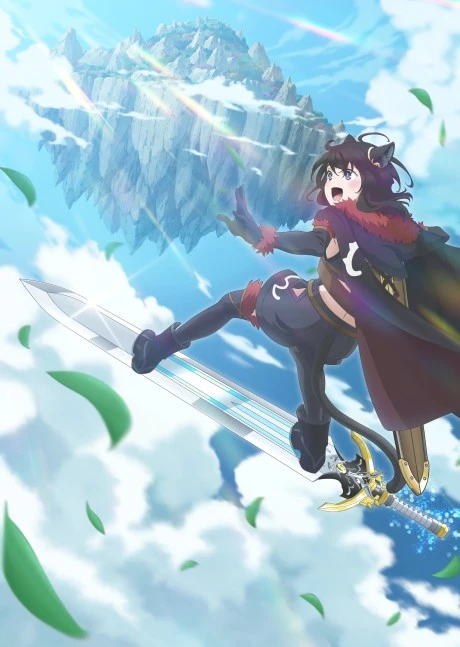
Season 2 premieres October 2026. C2C returns as the studio. It picks up where Season 1 left off, continuing into volume 2 and beyond.
If Season 1 was any indication, expect competent action and faithful plot adaptation with the same tradeoff around Teacher’s narration. I’d like to be wrong about that. C2C has had four years to think about it.
The one thing Season 2 could improve on is giving Teacher more telepathic dialogue during fights. Season 1 had moments where Teacher communicated with Fran mid-combat, but they were brief. The novels have entire paragraphs of real-time strategy discussion between them during battles. If C2C leans into that more in Season 2, it could address the biggest gap between the two versions. Whether they will is anyone’s guess. The production committee knows the LN readers want more Teacher narration. Whether that translates to screen time is a different question.
My plan for October, for what it’s worth: weekly, not binge. This is one of those shows where the episode-per-week pace actually suits the material cause the volumes are episodic anyway, and fall 2026 is stacked enough that I’ll want something low-commitment in the rotation. I reserve the right to fall three episodes behind and binge anyway, it happens every season. If you’re reading this after S2 already aired then you have information I don’t, and I’m a little jealous of you. Either way the reading advice doesn’t change, volume 1, no shortcuts.