
This article contains affiliate links. If you buy through these links, we earn a small commission at no extra cost to you.
The monster stampede arc broke the anime community’s opinion of The Water Magician in half. One side called it a bold narrative choice. The other side called it a betrayal of the MC. Both sides have a point, and the light novel is where you can actually see what the author was attempting before the anime’s twelve-episode runtime compressed it into something that felt like Ryou just… vanished from his own story.
I’ve read all seven LN volumes and watched the full anime run. The adaptation is decent for what it covers. The catch: “what it covers” is two of seven volumes, and the differences between how the LN and anime handle those two volumes matter more than I expected. This isn’t a case where you can skip the source material because the anime got it right. The anime got the shape right. It missed a lot of the substance.
TL;DR
- The anime adapts volumes 1-2 of a seven-volume light novel series across twelve episodes. The LN provides significantly more world-building detail, Ryou’s internal monologue, and character backstory than the anime includes. Key differences: the anime rushed the early episodes, softened Abel’s personality, and compressed the guild economics that give the setting its depth. Start reading from volume 1 if you want the full picture.
What Does the Anime Actually Cover?
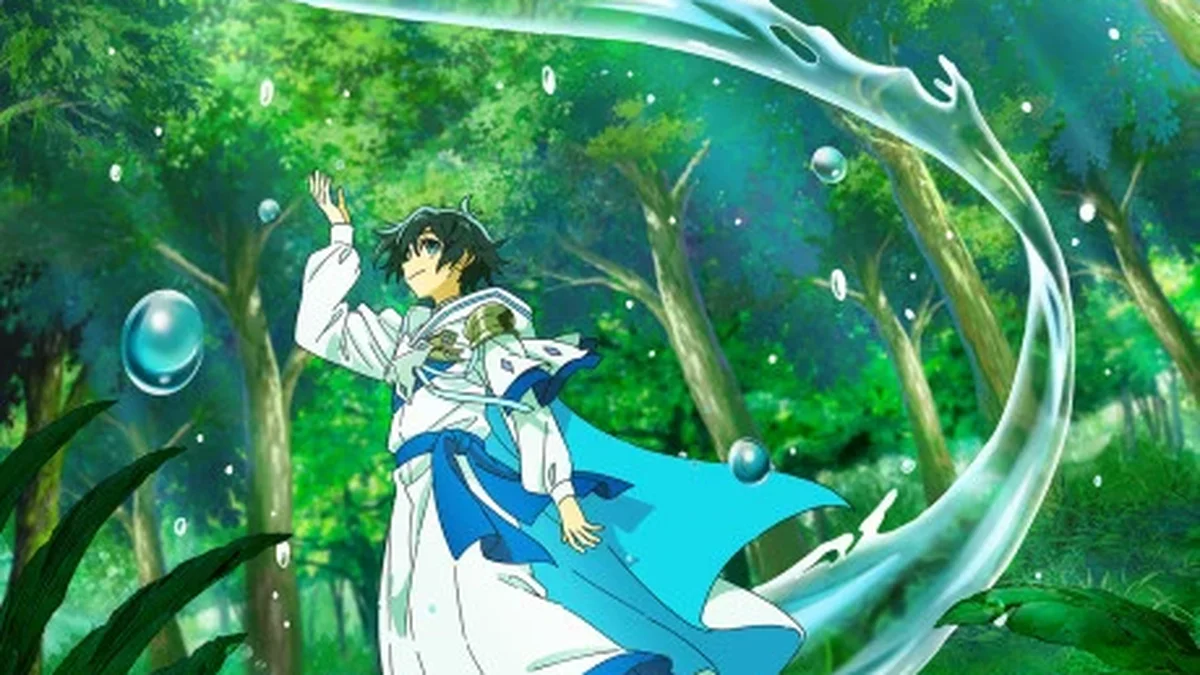
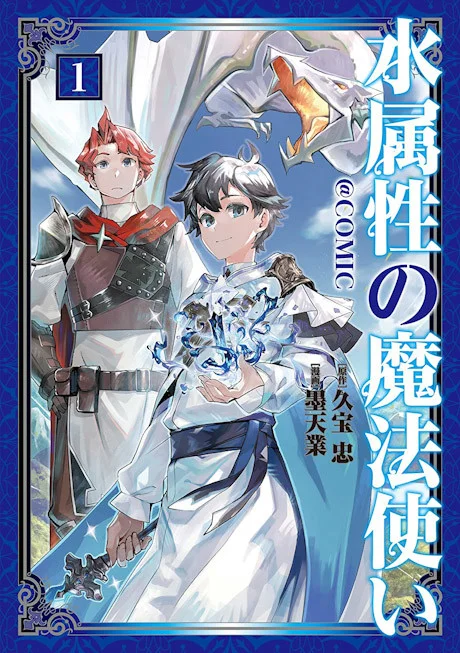
Twelve episodes. Volumes 1 and 2. That’s the scope. Ryou gets isekai’d, discovers his water magic affinity, meets Sara, forms a party with Abel. Several dungeon explorations and guild contracts fill out the rest. The anime ends somewhere around the conclusion of volume 2’s main arc.
For context, here’s the full LN breakdown:
| Volume | Content | Anime Coverage |
|---|---|---|
| Volume 1 | Ryou’s arrival, water magic discovery, meeting Sara, guild registration | Episodes 1-6 (covered) |
| Volume 2 | Party formation with Abel, first major dungeon, town economics | Episodes 7-12 (covered) |
| Volume 3 | Deeper Central Countries exploration, magic system expansion | Not adapted |
| Volume 4 | Party dynamics develop, rising stakes | Not adapted |
| Volume 5 | Monster stampede arc begins, Ryou sidelined | Not adapted |
| Volume 6 | Stampede aftermath, recovery | Not adapted |
| Volume 7 | Part 1 resolution | Not adapted |
Five volumes remain completely untouched. The most controversial arc in the entire series (the monster stampede) hasn’t been animated at all. Every strong opinion you’ve seen online about Ryou getting sidelined? That’s people reacting to events in volumes 5-6 or web novel readers who know what’s coming.
How Did the Anime Handle the Early Pacing?
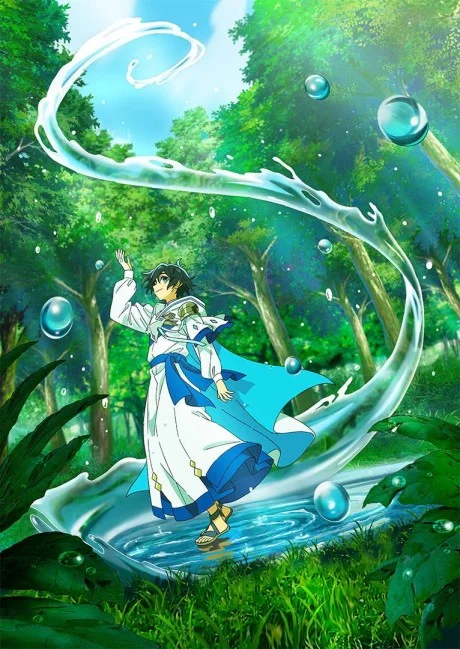
Poorly. This is the most common complaint from LN readers, and it’s valid. The first two episodes tried to cover Ryou’s entire isekai transition and arrival in record time. In the LN, volume 1 takes its time establishing how Ryou processes being thrown into a new world. No panic. No excitement. Just methodical observation. He catalogues what’s different, figures out the basics of survival, and approaches magic like a puzzle to solve rather than a power to unlock.
The anime condensed that internal process into reaction shots and brief voiceover. You get the events. You miss the characterization. Ryou’s defining trait is his calm, analytical approach to everything, and the anime’s rush through the opening made him seem flat instead of deliberate. That’s a meaningful distinction. A protagonist who’s boring and a protagonist who’s deliberately understated are not the same thing, and the anime didn’t give viewers enough to tell the difference.
What Does the LN Add That the Anime Skips?
Three categories of material are significantly expanded in the light novel.
Ryou’s internal monologue. The biggest gap. In the LN, Ryou narrates his thought process during magic experimentation and combat decisions. Social interactions get the same treatment. When he chooses water purification over a combat application, you understand why. When he defers to Abel in a dungeon, there’s a calculated reason. The anime shows you what Ryou does. The LN shows you why he does it. For a character whose appeal is intelligence over strength, that’s a critical difference.
Guild economics and setting detail. The LN spends substantial page time on how adventuring guilds function as economic institutions. Contract pricing. Resource allocation. How dungeon materials flow into town markets. The anime treated guilds as quest boards. The LN treats them as employers with profit motives and political connections. Internal hierarchies affect which contracts adventurers can access. If you’ve read J-Novel Club releases like Bookworm or Realist Hero, this level of economic detail will feel familiar. If you’ve only watched the anime, this entire layer is invisible to you.
Sara’s backstory. The anime established Sara as the female lead and Ryou’s primary companion. The LN gives her a reason for adventuring that goes beyond “she’s in the party.” Her motivations for traveling through the Central Countries get real page time. Her past and independent goals outside of Ryou’s story actually exist in the LN. She’s a character with agency in the LN. In the anime she’s a character with screen time. Different things.
Did the Anime Change Abel?
Yes. Softened him. In the light novel, Abel is abrasive toward Ryou in ways that made parts of the community genuinely angry. He dismisses Ryou’s contributions, takes a condescending tone during party discussions, and has moments where his “rival” behavior crosses into disrespect. The LN commits to this friction. It’s uncomfortable at points. It’s building toward a payoff in volumes 6-7 where the dynamic shifts and Abel acknowledges what Ryou brings to the group.
The anime toned this down. Abel comes across as competitive rather than hostile. His sharper comments were either softened or cut. The result: anime viewers see Abel as a standard rival character. LN readers see a relationship with actual tension that takes four volumes to resolve. The anime version is more pleasant. The LN version is more interesting. I’ll take interesting.
How Does the Water Magic System Compare?
The anime shows water magic as combat spells and occasional utility. The LN builds a complete system around it. Ryou’s water affinity connects to purification, weather reading, hydraulics, and agricultural applications. He discovers uses for water magic that aren’t flashy but are economically valuable. One sequence where he purifies contaminated well water for a village has no combat, no drama, and no animation potential. It demonstrates why water magic is rare and valued in this world in a way no fight scene could.
The magic system in the LN follows consistent rules. Elements have affinities, combinations, and limitations that get explained as Ryou encounters them. The anime cherry-picked the visual moments and skipped the mechanical foundation. If you care about magic systems being internally consistent (and if you’re reading LN, there’s a good chance you do), the source material is where that consistency lives.
What About the Monster Stampede Everyone Argues About?
The stampede hasn’t been animated yet. It’s volumes 5-6 material. But it’s worth discussing because it’s the single most divisive element of The Water Magician’s story, and the debate is already raging based on web novel readers and LN readers who’ve finished Part 1.
Here’s what happens: a large-scale monster crisis hits the region, and Ryou gets sidelined. Other characters handle the primary response. Ryou contributes through support roles (water magic for logistics, not combat), and the narrative focus shifts away from him for extended stretches. Readers expecting the MC to step up during the biggest crisis felt cheated. Readers who understood the series’ thesis (Ryou succeeds through utility, not heroics) saw it as consistent.
My read: the author committed to something most isekai writers wouldn’t attempt. The MC isn’t the strongest. The MC isn’t the hero of the big battle. The MC is the person who makes sure there’s clean water after the fight ends. That’s a bold stance for the genre. Whether it works for you depends entirely on what you want from an isekai protagonist. I respect the choice. I also think it went on about a volume too long.
Should You Read the LN After Watching the Anime?
Yes. Start from volume 1.
I know that’s annoying advice. You watched twelve episodes. You know the broad strokes. But the LN’s version of those same events reads differently because of Ryou’s internal voice and the setting details the anime trimmed. It’s not a long read. Two volumes. You’ll move through them quickly because you already know the plot. What you’re getting on the reread is context and depth.
Then volumes 3-7 are entirely new material. The series opens up. The setting expands. The monster stampede arrives, and you can judge the controversy for yourself. Volume 7 closes Part 1 in a way that’s satisfying as an arc conclusion while making it clear there’s more story to tell. Whether that “more” ever gets published is an open question. The web novel continues on Shousetsuka ni Narou if you need answers now.
What Does the Anime Do Better?
The dungeon visuals. Full stop. The European fantasy setting, the water magic effects, the architectural detail of the towns and guild halls. Animation brings these elements to life in ways the LN’s prose can only describe. If you’ve read the LN first and then watch the anime, the dungeons in particular benefit from being rendered visually. Crystal formations, underground water systems, monster designs. The animation team clearly cared about the setting.
The soundtrack also adds emotional weight to quieter moments. The LN is text. The anime has music. Scenes where Ryou watches a sunset from a town wall or Sara explains her reasons for traveling hit differently with a score underneath them. These aren’t things I’d normally credit an adaptation for. But The Water Magician’s strength is atmosphere, and audiovisual media conveys atmosphere more naturally than prose.