

Tensura‘s light novel ran for 11 years, from 2014 to November 2025, spanning 23 volumes. It’s done. Rimuru’s story has an actual ending, which puts it in rare company for a series this popular. With Season 4 premiering in April 2026, a lot of anime viewers are thinking about picking up the source material. Here’s how to read it.
This article contains affiliate links. If you buy through these links, we earn a small commission at no extra cost to you.
TL;DR
- Volumes 1-23 in order. Series is complete. Rimuru’s story ran from 2014 to November 2025. It has an actual ending.
- After the anime: Season 3 covers roughly Vols 7-9. Season 4 (April 2026) continues from there. To read ahead, pick up at Vol 10.
- The web novel is a different story. The LN diverges significantly after the early volumes. Read the LN, not the WN.
- Trinity spinoff is optional. School-setting comedy side story. Fun but completely separate from the main plot.
More about That Time I Got Reincarnated as a Slime
The Short Version
Read Volumes 1 through 23 in publication order. That’s it. There’s no alternate timeline, no required spin-offs, no complicated interleaving. Fuse wrote a linear story and numbered it accordingly. The spin-offs are all optional side content that you can read whenever you feel like it.
If you’re coming from the anime and want to skip ahead: Season 3 ends at Volume 9. Start at Volume 10. But I’d recommend going back to Volume 1 anyway. The anime cut more than you’d expect, especially from the political and economic worldbuilding that Fuse does better than almost any isekai author working.
Complete Volume Guide
Arc 1: Foundation (Volumes 1-4)
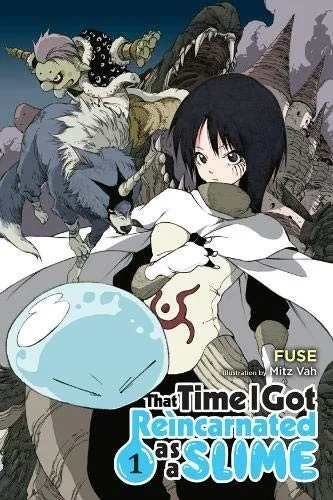
Volume 1, Empowerment: Rimuru’s reincarnation, meeting Veldora, building the goblin village, absorbing the direwolves. The Dwarf Kingdom arc introduces Rimuru to civilization. This volume moves fast and establishes the core loop: absorb, negotiate, expand.
Volume 2, A Disturbance in the Forest: The Orc Disaster arc. Rimuru’s first real test as a leader. Geld’s backstory gives the antagonist genuine pathos. This is where the series proves it cares about its villains, not just its hero.
Volume 3, Attack of the Demon Lord: Milim Nava arrives. The Demon Lord summit introduces the power structure that drives the rest of the series. Charybdis fight. The political complexity jumps significantly here.
Volume 4, Human-Monster Interaction: Trading with the Beast Kingdom, the labyrinth construction begins, Rimuru takes in the summoned children. The anime cut a lot of the economic detail from this volume. It’s slower but essential setup for the next arc’s emotional payoff.
Anime coverage: Season 1 (24 episodes) covers Volumes 1-4, though it rearranges and trims Vol 4 significantly.
Arc 2: Demon Lord Ascension (Volumes 5-6)
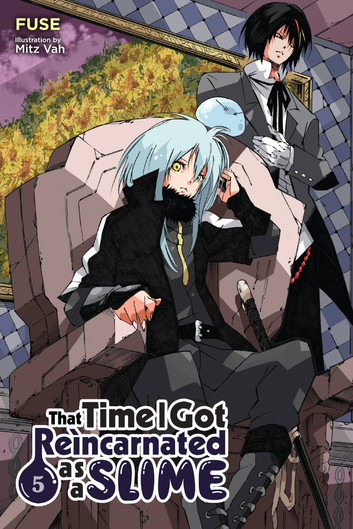
Volume 5, A Demon Lord’s Awakening: The Falmuth invasion. The massacre. Rimuru’s evolution into a True Demon Lord. The resurrection of the fallen. This is the volume that changed how I thought about the series. Everything Fuse built in the first four volumes pays off here. The tonal shift is earned because Rimuru’s rage is earned.
Volume 6, The Octagram Soars: Walpurgis Council. Rimuru is officially recognized among the Octagram demon lords. Clayman’s defeat. The series expands from “monster builds a village” to “monster reshapes geopolitics.”
Anime coverage: Season 2 (24 episodes across two parts) covers Volumes 4-6, plus the remaining Vol 4 content Season 1 cut.
Arc 3: Holy-Demonic Conflict (Volumes 7-9)
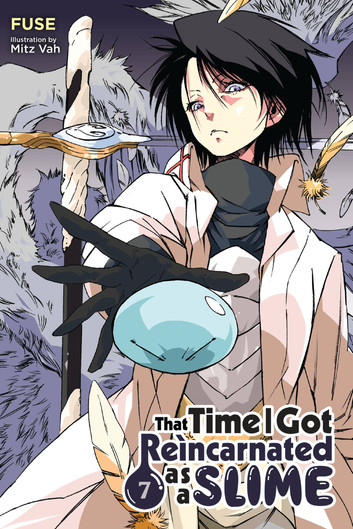
Volume 7, Conflict Between Saints and Monsters: Hinata Sakaguchi’s full confrontation with Rimuru. The Western Holy Church arc. The political tension between human nations and Tempest reaches a breaking point.
Volume 8, Territory Seizure: Diplomatic preparation. Meetings, alliances, infrastructure. This is the slowest volume in the series. It’s important for the world-state but don’t expect much action. A JP-only short story collection (Vol 8.5) exists here too, but it’s never been translated.
Volume 9, Opening of the Monster City: The Founding Festival. Rimuru opens the labyrinth as a tourist attraction and battle arena. Tournament fights. The celebration before the storm. Lighter in tone than what comes next.
Anime coverage: Season 3 (24 episodes) covers Volumes 7-9.
Arc 4: The Empire War (Volumes 10-16)
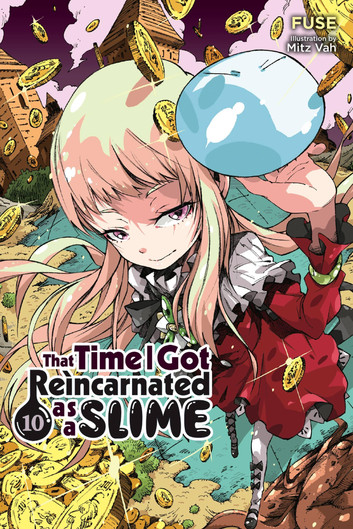
Volume 10, The Majin Behind the Scenes: The conspiracy driving the Empire’s aggression becomes clear. Council of demon lords. The scope widens beyond anything the anime has covered.
Volume 11, Awakening of the Chosen Hero: Chloe/Chronoa’s true identity and timeline. The Hero arc. One of the series’ most important revelations.
Volumes 12-14: The Imperial Invasion in full. Labyrinth battles, Eurazania’s defense, the Red Purge aftermath. These three volumes are the longest sustained action sequence in the series. Rimuru’s subordinates get major combat spotlights.
Volumes 15-16: The Abyss arc and its aftermath. Diablo and Velzard fights. Guy Crimson’s role becomes central. The Empire arc resolves here. Another JP-only short story collection (Vol 13.5) fits in this stretch.
Anime coverage: Season 4 (premiering April 3, 2026) is expected to cover Volumes 10-12.
Arc 5: The Final War (Volumes 17-23)
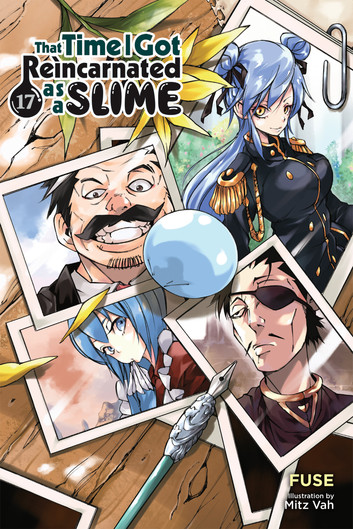
Volume 17, Spacetime Fragments: Character-focused breather between the Empire arc and the endgame. Mjollmile’s perspective, demon politics.
Volume 18, The End of Ambitions: Walpurgis 2. The second demon lord council. Yuuki’s true scheme becomes visible.
Volumes 19-21: The Angel Lord arc. War in the royal capital, Rimuru’s disappearance, Feldway’s confrontation, dungeon encroachment. The series goes cosmic here. Stakes escalate beyond anything in the first half.
Volume 22, Godly Destruction and Chaos: Originally planned as the final volume. The EN translation released February 2026.
Volume 23, Genesis of Rivalry: The actual final volume. Released November 29, 2025 in Japan. No EN release date announced yet. Rimuru’s story ends here.
Spin-Offs: What’s Worth Reading
None of the spin-offs are required. They’re all side content that runs parallel to the main story. Here’s what exists and whether it’s worth your time.
The Slime Diaries (manga, also got a 12-episode anime in 2021). Slice-of-life 4-koma set during Volumes 1-5. Daily life in Tempest between the major arcs. Light, fun, good if you want more character interactions without plot stakes. Read or watch after finishing the early volumes.
Trinity in Tempest (manga only, limited English availability). Follows Shion, Shuna, and other Tempest residents during the Vol 4-5 timeframe. The community rates this as the best spin-off for entertainment value. Fan translations exist on MangaDex.
The Ways of the Monster Nation (manga, written by Fuse himself). Perspectives of Tempest citizens through the main timeline. Progresses faster than the main story. Warning: contains spoilers well ahead of the anime. Only read after you’re caught up with the LN or don’t mind spoilers.
Where to Start After the Anime
After Season 3: Start at Volume 10. The anime adapts Volumes 7-9 faithfully enough that you won’t be lost. Volume 10 opens the Empire arc, which is unadapted territory.
After Season 2: Start at Volume 7. Seasons 1-2 cover Volumes 1-6 with some rearrangement.
From the beginning: Start at Volume 1. The anime is a good adaptation, but the LN has significantly more economic and political detail. The differences between the LN and anime are substantial enough to justify rereading covered material.
Web Novel vs Light Novel
Do not treat the web novel as a continuation of the light novel. The WN ran on Shōsetsuka ni Narō from 2013-2016 and the stories diverge heavily after Volume 3. Characters are different, arcs are restructured, the ending is different. The LN is the definitive version. Fuse rewrote and expanded extensively when adapting to print. Read the WN as a curiosity if you want, but not as “what happens next.”
Frequently Asked Questions
How many Slime light novel volumes are there?
23 volumes. The series is complete. It ran from May 2014 to November 2025. Yen Press publishes the English translation, which is currently through Volume 22 (released February 2026). Volume 23 has no EN release date yet.
Is the Slime light novel finished?
Yes. Volume 23 (Genesis of Rivalry) is the final volume, released November 29, 2025 in Japan. The story has a definitive ending. For more detail, see our complete status guide.
What volume does Slime Season 4 cover?
Season 4 premieres April 3, 2026 and is expected to cover Volumes 10-12, based on the 3-volume-per-season pace established by Seasons 1-3. This covers the Majin conspiracy, Hero awakening, and the start of the Imperial Invasion.
Do I need to read the Slime spin-offs?
No. All spin-offs (Slime Diaries, Trinity in Tempest, Ways of the Monster Nation) are optional side content. They add character depth but don’t affect the main plot. Read them if you want more Tempest daily life between major arcs.
Should I read the web novel after the light novel?
No. The web novel and light novel diverge significantly after Volume 3. The LN is the definitive version with rewritten arcs, expanded worldbuilding, and a different ending. The WN is essentially a first draft.