
Yes. With a caveat about pacing that will either make or break the experience for you.
I picked this up after binging VE last year, purely because of the author. Kana Akatsuki wrote Violet Evergarden, and that name on a cover is enough to get me to open volume 1 of anything. The premise helped too. Winter created Spring out of loneliness. Spring was kidnapped ten years ago. Her guard never stopped searching. The world lost an entire season. That’s a setup that earns emotional investment before the first chapter even begins.
What I didn’t expect was how differently Akatsuki uses the fantasy framework here compared to VE. Violet Evergarden built its emotional core through letter-writing. Agents of the Four Seasons builds it through mythology. Seasons as living beings who love, grieve, and carry the weight of a world that depends on their existence. It sounds like it could be precious, but the writing never tips into that territory. The writing earns every bit of its emotional reach.
TL;DR
- Agents of the Four Seasons is a fantasy drama by Kana Akatsuki, the author of Violet Evergarden. Four volumes published (ongoing), each covering a different season’s arc.
- The prose is beautiful and deliberately paced. Hinagiku’s trauma-shaped dialogue is divisive — some readers find it difficult to follow, others think it’s the best character writing in the series.
- If you liked VE’s emotional precision and want something with fantasy worldbuilding instead of letter-writing, this delivers. If slow pacing kills your interest, this might test your patience.
What Makes This Series Work
The seasonal mythology. Full stop. That’s the foundation everything else rests on.
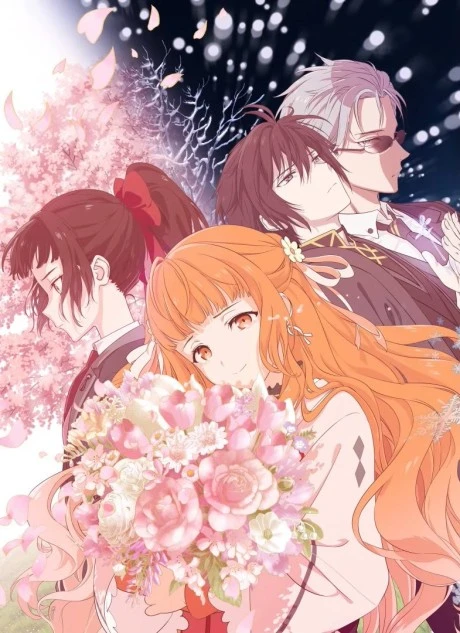
Winter was once alone. It created Spring because existing in isolation was unbearable. Then Summer and Autumn were born to give the cycle rest. The Agents are personifications who carry these seasons forward. When Hinagiku, the Agent of Spring, was kidnapped ten years ago, spring vanished from the world. Endless winter. Sakura, her guard, spent a decade searching for her across the frozen world.
That premise doesn’t just establish a plot. It establishes a relationship between two cosmic forces — Spring and Winter — that mirrors the human relationship between Hinagiku and Sakura. The mythology and the character drama reinforce each other at every level. When Hinagiku returns, it isn’t just a reunion between two people. It’s a season returning to a world that’s been frozen without it.
Akatsuki’s prose handles this without ever feeling overwrought. The emotional beats are precise. She knows exactly how long to sit with a moment before moving on. VE readers will recognize this rhythm immediately. The difference is scale. VE’s emotional stakes were personal (one person learning to understand feelings through letters). Here, the stakes are literally cosmic — but they feel just as intimate because the writing never loses sight of the people at the center.
The Dialogue Problem
This is the honest negative and I want to address it head-on because it’s the most common complaint.
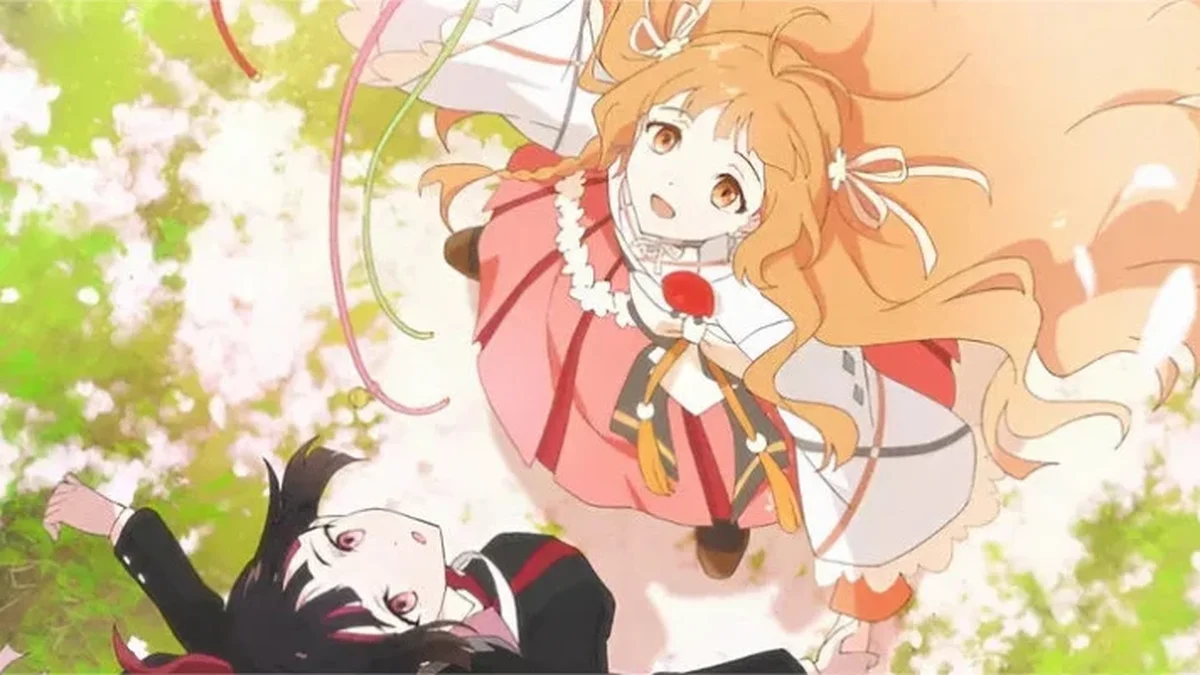
Hinagiku’s dialogue is difficult to read. Intentionally. Her speech patterns reflect a decade of trauma and isolation. She doesn’t talk the way a normal character does. Sentences fragment. Context gets dropped. Meaning arrives sideways. Akatsuki is doing something deliberate here — giving you a character whose communication has been shaped by what happened to her — and I respect the craft behind it.
Respecting the craft doesn’t mean it’s easy to read. Multiple readers on r/Shunkashuutou have flagged this exact issue. “Difficult to read at times” is the polite version. The manga adaptation handles it better because visual format can show what the dialogue obscures. In prose, you’re doing more interpretive work than a light novel usually asks you to do.
I adjusted to it by volume 2. Some readers don’t. If unconventional dialogue is a dealbreaker for you, know going in that this series asks you to meet it halfway on that front. The payoff is a character who feels genuinely shaped by her experiences rather than just described as traumatized.
The Structure
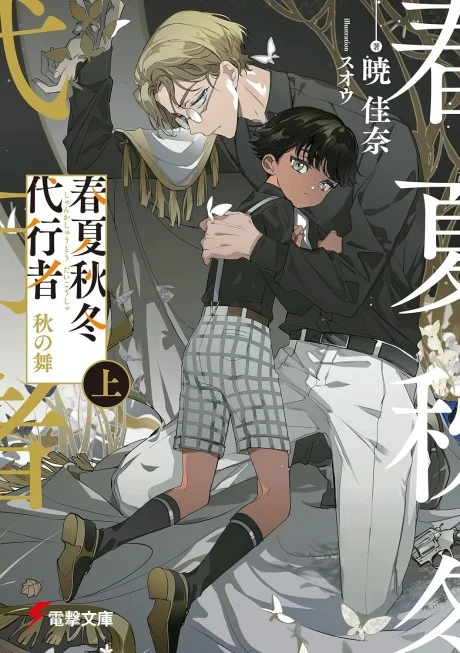
Each volume is named after a season: Dance of Spring, Dance of Summer, Dance of Autumn, Dance of Winter. Each follows a different seasonal agent. Different protagonist, different relationships, different emotional arc. Shared mythology. Shared world.
This is unusual for light novels. Most series follow one character across dozens of volumes. Akatsuki is doing something closer to an anthology with a connective framework. You get complete closure at the end of each volume. No cliffhangers designed to sell the next book. Every entry earns its own ending.
The tradeoff is that you don’t get the deep, cumulative character investment that a traditional serialized LN provides. You’re not spending 20 volumes with Hinagiku the way you’d spend 20 volumes with Rudeus or Subaru. You get one volume of her story, then you move on to a different agent. The connections between volumes are thematic and mythological rather than plot-driven.
I think this is a strength. It means no volume feels like filler. Every book matters to its own story. Compare that to series where volumes 4 through 7 exist purely to set up the climax. Here, every volume IS its own climax.
How It Compares to Violet Evergarden
You’re going to ask. Everyone asks.
Same emotional DNA. The precision in how gut-punches are delivered is identical. And that willingness to let quiet moments carry the weight of the story is unmistakable. If you cried during VE, you’ll cry here. Different context, different flavor of sadness.
The differences: VE was grounded in a post-war setting with letter-writing as its emotional vehicle. Agents of the Four Seasons is full fantasy with seasonal magic, bodyguards, and political intrigue. The worldbuilding is more ambitious. The cast rotates between volumes instead of centering on one character throughout.
VE was also more accessible. The prose was clean, the emotional beats were direct, the letter-writing framework gave every episode a clear structure. Agents of the Four Seasons is messier on purpose. Hinagiku’s dialogue. The non-linear storytelling in places. The mythology that unfolds gradually rather than being explained upfront. Akatsuki is taking more risks here, and not all of them land equally well.
If I had to rank them: VE is the more polished work. Agents of the Four Seasons is the more ambitious one. I think VE is better overall. I think Four Seasons does things VE couldn’t because it wasn’t trying to. They’re companion pieces from the same artistic sensibility applied to completely different genres.
The Pacing Question
Slow. Deliberately slow. If you want action-heavy light novel storytelling, this is the wrong series.
The pacing matches the material. Seasons don’t rush. The transition from winter to spring doesn’t happen overnight, and neither do the emotional arcs in these books. Akatsuki takes her time with character moments, with botanical imagery, with the quiet devastation of people who’ve been separated for a decade trying to find their way back to each other.
The anime divided viewers on this exact point. Some called it meditative. Others called it boring. The novels are paced identically — the adaptation was faithful — so your reaction to one will predict your reaction to the other.
I’ll say this: the pacing is never pointless. There’s no bloat, no scenes that exist to pad page count. Every slow moment builds toward something. You feel the accumulation by the end of each volume even if individual chapters seem to move at a crawl. It’s the kind of series where you close the book and realize the emotional impact hit you harder than you expected because it arrived gradually instead of all at once.
Who Should Read This
Read it if:
- You liked Violet Evergarden and want more from the same author
- You enjoy fantasy worldbuilding that serves emotional storytelling rather than action
- You don’t mind slow, deliberate pacing
- You want a series where each volume gives you a complete arc instead of an endless continuation
- Seasonal mythology and the personification of natural forces appeals to you
Skip it if:
- You need fast-paced action in your light novels
- Unconventional dialogue patterns frustrate you
- You want to follow one protagonist across a long series
- You’re looking for a power fantasy or isekai
The Anime or the Novels?
Both are good, genuinely. The anime (WIT Studio, 14 episodes, Kensuke Ushio’s soundtrack) is among the most faithful LN adaptations I’ve covered. The visuals for character scenes and the botanical imagery are gorgeous. The soundtrack elevates every emotional beat.
The novel gives you Hinagiku’s internal context that the anime conveys through visuals and music. It’s the difference between seeing someone cry and knowing exactly why every tear matters. The anime shows you the pain. The novel explains the precise shape of it.
Start with whichever medium appeals to you. Neither version is a lesser experience. They deliver the same story through different strengths.
