This article contains affiliate links. If you buy through these links, we earn a small commission at no extra cost to you.
The short version: this is among the most faithful light novel adaptations in recent memory. WIT Studio didn’t rewrite arcs, didn’t skip volumes, didn’t rearrange the timeline. Dance of Spring, all 14 episodes, tracks the novel closely enough that you could read along chapter by chapter and rarely find the anime deviating from the page.
So why write a comparison at all? Because “faithful” doesn’t mean “identical.” The differences between these two versions aren’t about what was changed. They’re about what each medium does better with the same material. The novel sits with Hinagiku’s internal state in ways the anime replaces with Kensuke Ushio’s score. The anime renders the botanical imagery with a beauty that prose can describe but not replicate. These are complementary strengths, not competing ones.
I read the novel first, then watched the anime week by week as it aired. Both hit. Differently.
TL;DR
- The anime adaptation is remarkably faithful. WIT Studio adapted volume 1 (Dance of Spring) across 14 episodes without significant cuts or rearrangements.
- The novel gives you Hinagiku’s internal trauma narration and Sakura’s thought process in detail. The anime replaces that with visual storytelling, Kensuke Ushio’s soundtrack, and botanical animation.
- Neither version is lesser. Season 2 announced.
What the Anime Keeps
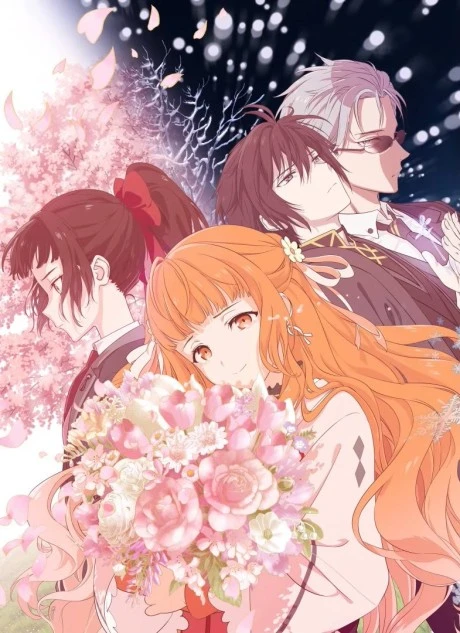
Almost everything. The plot structure is intact. Every major scene from the novel appears in the anime. The emotional beats land in the same order. The non-linear storytelling that some viewers found confusing? That’s in the novel too. WIT didn’t add confusion — the source material was already structured that way.
The character dynamics between Hinagiku and Sakura translate well to screen. Their reunion, the tension of Hinagiku’s return after ten years, Sakura’s desperate devotion — all of it reads the same in both versions. The anime doesn’t soften the emotional weight or rush past the quiet moments the way a lot of LN adaptations do when they’re trying to fit more content per episode.
The mythology around seasons as living forces, Winter creating Spring out of loneliness, the Agents carrying the cycle — the anime communicates all of this without dumbing it down. Credit to WIT’s direction for trusting the audience to follow a premise that’s more conceptual than most anime fare.
What the Novel Does Better
Two things. Both significant.
Hinagiku’s internal narration. Her dialogue on the page is intentionally fragmented. Sentences break apart. Context arrives late. Meaning comes sideways. Akatsuki wrote a character whose speech patterns were shaped by a decade of trauma and isolation. In the novel, you’re inside Hinagiku’s head. You understand what she’s trying to say even when her words don’t cooperate. You feel the gap between her thoughts and her ability to express them.
The anime can’t do this. It shows you Hinagiku speaking in broken patterns and relies on the voice actress and visual cues to convey what’s underneath. The performance is good. Really good, actually. But there’s a depth of understanding you get from the prose that the screen can’t replicate. Reading her internal narration while she struggles to speak is a different experience than watching her struggle to speak and inferring what’s underneath.
Sakura’s decade of searching. The novel spends more time with Sakura’s perspective during the years Hinagiku was missing. His quiet desperation, the toll of searching for someone who might be dead, the stubbornness that kept him going. The anime communicates this through flashbacks and atmosphere. The novel gives you pages of it. The difference matters because Sakura’s devotion is the emotional foundation of Dance of Spring. The more you understand what those ten years cost him, the harder the reunion hits.
What the Anime Does Better
Two things on this side as well.
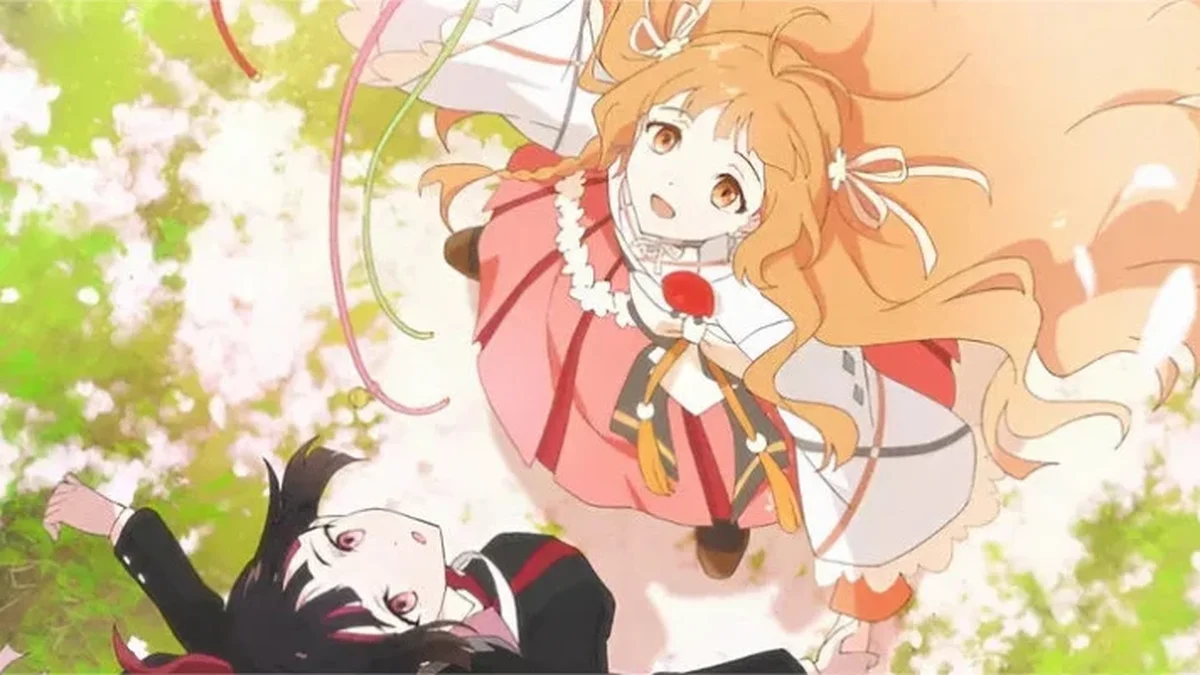
The botanical imagery. Akatsuki’s prose describes spring returning to a frozen world. WIT Studio shows it. Cherry blossoms blooming across landscapes that haven’t seen color in a decade. Plants pushing through frost. The visual transformation from winter to spring plays out across the full run of the show, and it’s gorgeous. Some of the most beautiful background art in recent anime. Prose can tell you what spring looks like after ten years of winter. Animation can make you feel the warmth.
Kensuke Ushio’s soundtrack. This is the anime’s secret weapon. Ushio composed for Chainsaw Man and Dandadan before this, and his score for Dance of Spring is phenomenal. The music does emotional work that the novel handles through Akatsuki’s prose — and in some scenes, the soundtrack arguably carries the moment harder than the writing does. There’s a scene where Hinagiku first sees spring returning and the score swells in a way that genuinely caught me off guard. The novel version of that scene is effective. The anime version made me pause.
The r/VioletEvergarden premiere thread hit 613 upvotes partly because the VE fan crossover audience showed up, but also because the production quality justified their attention. WIT committed to this project. You can see it in every frame that involves nature, seasonal imagery, or emotional stillness.
Where the Anime Falls Short
The action sequences. This came up constantly in the community during the weekly watch. Character scenes, botanical imagery, emotional moments — all beautiful. Gunfights and combat? Inconsistent at best. “Atrocious” was the word multiple viewers used for some of the action animation.
This matters less than you’d think because Agents of the Four Seasons isn’t an action series. The combat exists to serve the drama, not the other way around. But when the action does arrive, the gap between the gorgeous character animation and the stiff fight choreography is jarring. The novel doesn’t have this problem — action on the page reads fine regardless of animation budget.
The pacing also divided viewers. “Slow,” “meditative,” “boring” — all words that showed up in the weekly discussion threads. The novel is paced identically. But reading at your own speed is different from watching at a fixed broadcast pace. If a novel chapter feels slow, you read faster. If an anime episode feels slow, you’re stuck for 24 minutes. Some viewers bounced off the pacing who might have been fine with the same pacing in prose.
Which Should You Experience First?
Genuinely doesn’t matter. I read first, and I’m glad I did because Hinagiku’s internal narration gave me context that made the anime richer. People who watched first and then read the novel report the same thing in reverse — the anime’s visuals and score gave them an emotional foundation that made the prose more impactful.
If you prefer reading, start with the novel. If you prefer watching, start with the anime. You’ll get the full story either way. The differences are enhancements, not gaps.
The one scenario where I’d specifically recommend one over the other: if Hinagiku’s fragmented dialogue frustrates you in the novel, watch the anime instead. The voice performance makes her speech patterns easier to follow than the text does. Multiple readers have flagged this. If unconventional dialogue is what’s stopping you from engaging with the series, the anime solves that problem.
What About Season 2?
Season 2 was announced at the finale of Dance of Spring. It will likely adapt Volume 2 (Dance of Summer), continuing the one-volume-per-season pattern. Different protagonist, same world mythology.
No air date yet. WIT Studio is the confirmed studio. Given the production quality of Season 1, the wait should be worth it — especially if they maintain the botanical animation and bring Ushio back for the score.