
The Irregular at Magic High School has a light novel. It has an anime. And it has… manga. Plural. Not one manga adaptation but a dozen separate series, each drawn by a different artist, each covering a different arc. Most of them abandoned before they finished. If you just watched the anime and want to read the story, you’re standing at a fork with two very different paths. Here’s what you need to know before choosing.
The short answer: read the light novel. The manga adaptations exist and some of them are genuinely good, but they’re incomplete, inconsistent, and missing chunks of the story that matter. The long answer requires understanding exactly what the Mahouka manga situation looks like, because it’s messier than almost any other franchise I’ve covered.
TL;DR
- The Irregular at Magic High School has 12+ separate manga adaptations, each covering one arc with a different artist
- None have official English translations — every English version is fan-scanlated, with several abandoned mid-arc
- The manga collectively covers roughly half the 32-volume LN
- The light novel is the only way to get the complete story, and the community consensus is overwhelming: LN first, manga as a visual supplement if you want one
What Is the Mahouka Manga Situation?
Most light novel series get one manga adaptation. Maybe two. Mahouka got something closer to a manga anthology. Each major arc of the light novel was adapted as its own standalone manga series, drawn and storyboarded by different artists. Here’s what exists:
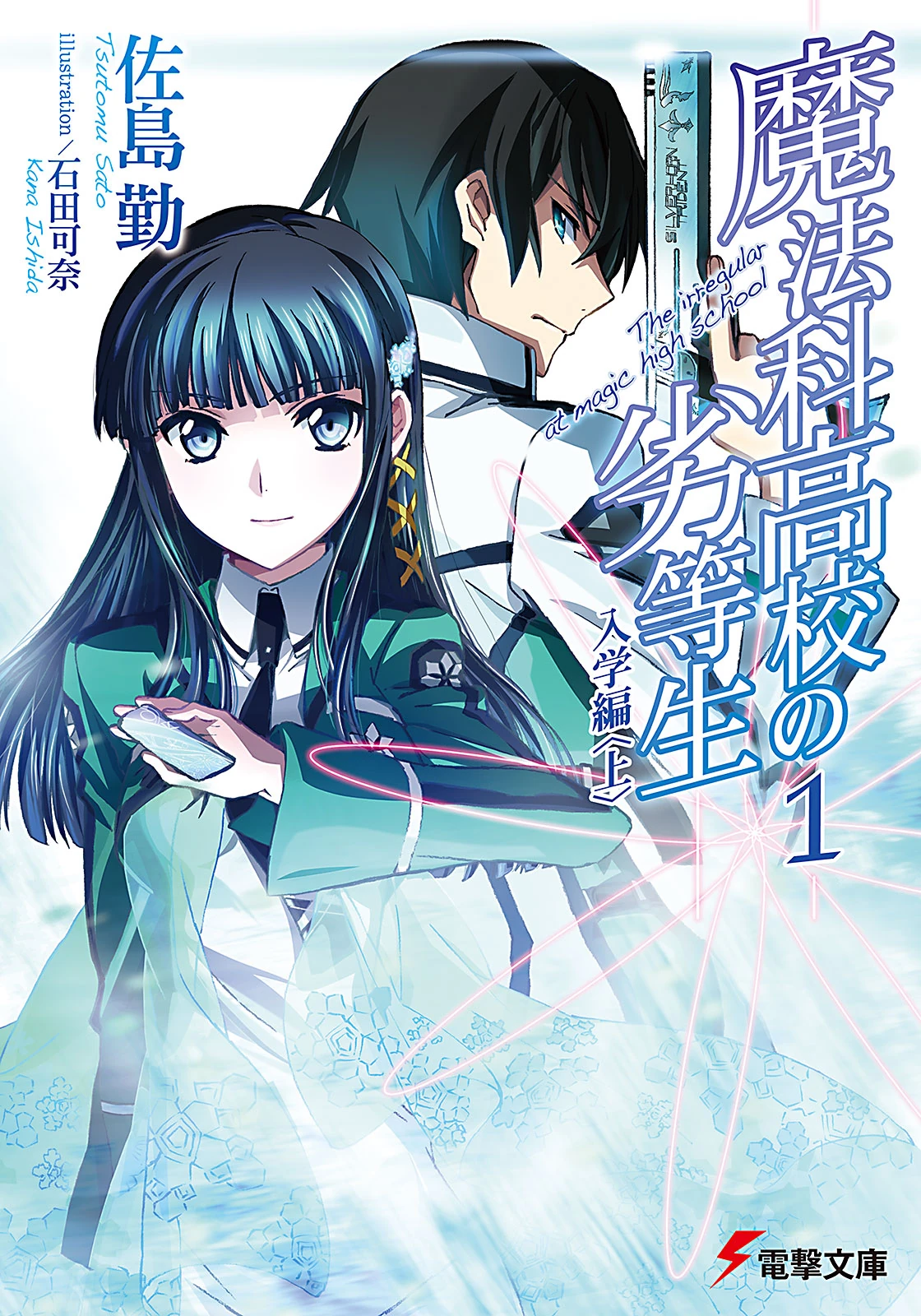
The Enrollment Arc manga (Volumes 1-2 of the LN) was drawn by Fumino Hayashi and ran for 8 volumes. Complete. This is the most polished of the manga adaptations, and if you’re going to read any of them, start here.

The Nine Schools Competition Arc (Volumes 3-4) was handled by a different artist. Complete. The Yokohama Disturbance Arc (Volumes 6-7) got its own manga too. The Reminiscence Arc (Volume 8) was adapted. The Visitor Arc (Volumes 9-11), the Double Seven Arc (Volume 12), the Steeplechase Arc (Volume 13), the Ancient City Insurrection Arc (Volumes 14-15), and the Yotsuba Succession Arc (Volume 16) all received separate manga series.
That’s a lot of manga. It sounds comprehensive until you look closer. Several of these manga were never completed. Some stopped mid-arc with no announcement. And here’s the part that catches people off guard: not a single one of these manga has an official English translation. Every English version you’ll find online is fan-scanlated, and several of those scanlation projects were abandoned too.
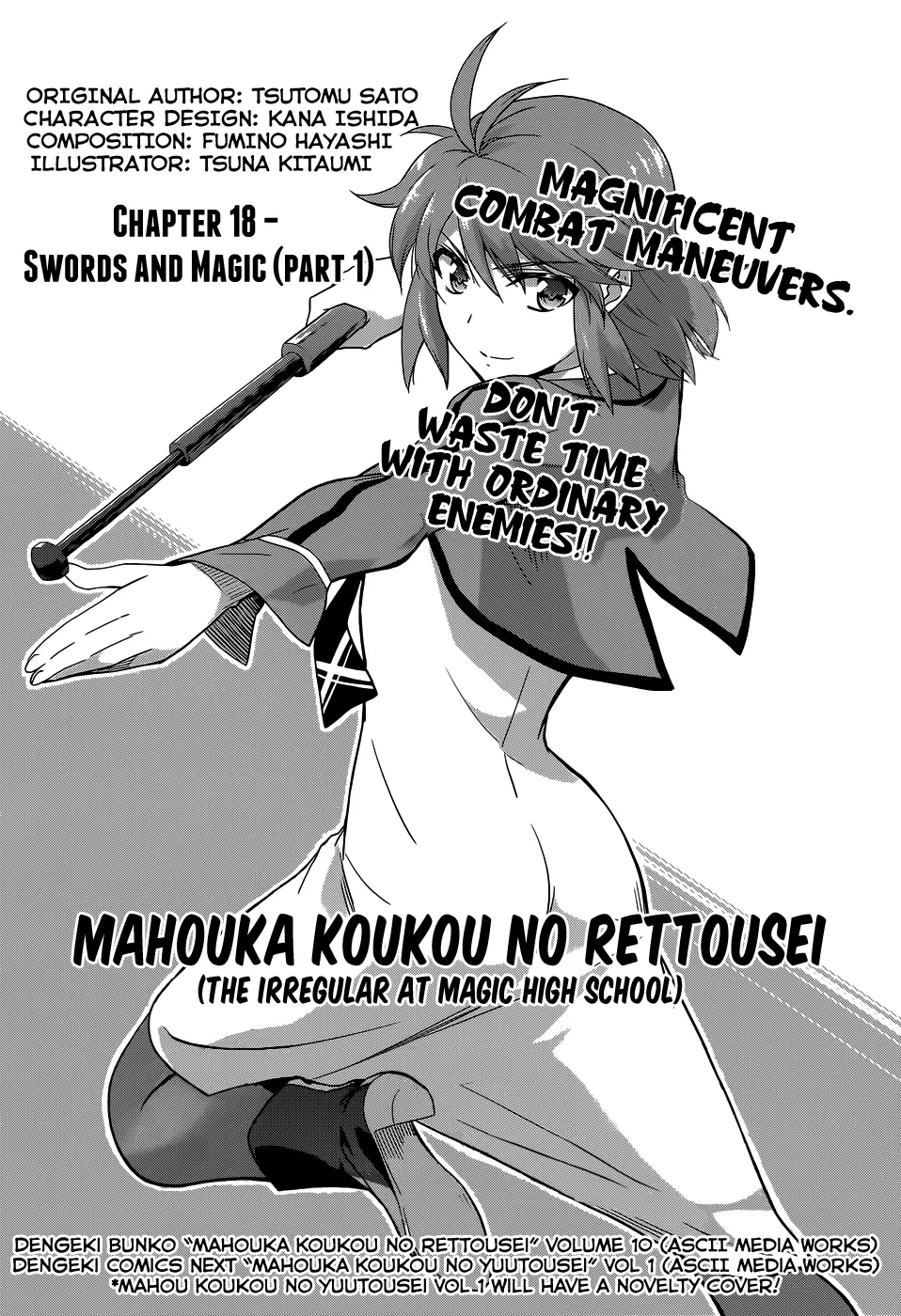
One r/Mahouka user laid it out bluntly: “The Mangas are incomplete, and they only currently cover around Half of the Light Novels. The mangas are not drawn or storyboarded by the same artist, there are multiple artists who adapt each arc independently, so you’re going to be seeing massive changes in Art Style for each Arc of the story.”
That art style whiplash is real. Going from the Enrollment Arc’s art to the Nine Schools Competition Arc’s art to the Visitor Arc’s art feels like reading three different series. Character designs shift. Panel composition changes. The visual tone jumps between action manga energy and seinen-level detail depending on who drew that particular arc.
Does the Manga Cut Content From the Light Novel?
Yes. And it cuts some important stuff.
The most notable omission is from the Reminiscence Arc manga (adapting LN Volume 8). Multiple community members have pointed out that the manga drops the final chapter of Volume 8, which deals with the Yotsuba clan’s internal mindset and motivations. That chapter matters. It sets up the political dynamics that drive the Yotsuba Succession Arc in Volume 16 and recontextualizes how the clan views Tatsuya. Without it, you’re missing a piece that makes later developments land harder.
The light novel’s biggest advantage has always been Tatsuya’s inner monologue. Mahouka lives in his head. His cost-benefit calculations during combat, his detached analysis of social situations, his clinical awareness of his own emotional suppression. Manga can’t reproduce that the way prose does. Some of the manga artists try through thought bubbles and caption boxes, but compressing three pages of internal reasoning into a single panel loses the texture that makes Tatsuya more than just an overpowered protagonist.
The magic system takes the hardest hit. Satou’s LN spends pages explaining activation sequences, psion manipulation, and information-body theory in ways that make the power system feel like engineering rather than fantasy. The manga has to show magic as visual effects, which reduces “Tatsuya identified the flaw in the opponent’s activation sequence and rewrote it at the fundamental level” to “Tatsuya waves his hand and the spell breaks.” The technical depth that separates Mahouka from generic magic school series gets flattened.
r/Mahouka’s longest-running commenter on this topic, u/sjcfu2, puts it directly: “The only way to truly get the entire story is to read the light novels… I only recommend the manga as a visual reference.”
What Does the Manga Actually Do Well?
Credit where it’s due. The manga adaptations aren’t worthless. They fill a specific role that neither the anime nor the LN can.
The action sequences hit differently in manga format. The anime compresses fights into fluid animation that moves fast. The LN describes them in dense technical prose. The manga sits in between. You get panel-by-panel breakdowns of key combat moments with enough visual clarity to understand spatial positioning and magical effects. The Nine Schools Competition Arc manga handles the tournament fights particularly well because the competition format benefits from visual pacing.
Character designs get expanded. The LN has illustrations, but they’re sparse. A few color plates per volume, maybe a dozen black-and-white inserts. The manga gives you full visual interpretations of scenes the LN only describes. Miyuki’s expressions during the Volume 16 reveal. Tatsuya’s body language during the Reminiscence Arc flashbacks. Angelina’s combat sequences in the Visitor Arc. If you’ve already read the LN and want to see how an artist interprets those scenes, the manga scratches that itch.
The Enrollment Arc manga in particular deserves mention. Fumino Hayashi’s art is clean and expressive, and the adaptation is faithful enough to the source material that reading it after the LN feels like a genuine complement rather than a downgrade. It covers Volumes 1-2 completely, includes most of the important dialogue, and handles the Course 1 vs Course 2 dynamic with visual storytelling that adds to the LN’s textual worldbuilding.

Which Should You Read First?
The light novel. This isn’t even close.
The r/Mahouka community is essentially unanimous on this. When someone posts “should I read the LN or manga?” the responses are some variation of “LN, and it’s not a debate.” One user summed up the consensus: “Read both. But after you read the LN, the manga is nice but not a replacement for what the LNs offer you.”
Here’s why. The light novel is complete. Thirty-two volumes, finished in September 2020, covering the entire story from Tatsuya’s enrollment at First High through his graduation and beyond. The manga collectively covers roughly volumes 1-16 across its various series, and several of those adaptations are incomplete or have gaps. If you start with the manga, you’re going to hit a wall around the halfway point with no manga to continue from.
The LN has official English translations from Yen Press through Volume 27 (with Volume 27 scheduled for September 2026). Fan translations cover all 32 volumes. The manga has zero official English translations. Every chapter you read in English is fan-scanlated, with inconsistent quality and multiple abandoned projects. Some arcs have chapters missing entirely because the scanlation group dropped the series.
And the storytelling difference is significant. Mahouka is a series that runs on information density. Political maneuvering, technical magic exposition, character psychology. These are prose strengths. The manga can visualize surface-level events but struggles to convey the reasoning behind them. When you read the LN version of the Yokohama Disturbance Arc and then read the manga version, the events are the same, but the experience is fundamentally different. The LN version makes you understand why Material Burst matters within the context of global power politics. The manga version shows you an explosion.
Can You Use the Manga as a Supplement After the LN?
This is where the manga actually earns its place. Several r/Mahouka readers describe exactly this approach: read the LN for the full story, then go back to the manga for visual context.
u/Sea_Owl4307 captures this perfectly: “I got like 9 volumes of the manga just for visuals.” That’s the right framing. The manga is a companion piece, not a primary source. After you’ve absorbed the full narrative and the character psychology from the LN, seeing those scenes drawn by different artists adds a dimension that prose alone can’t provide.
The best manga arcs for this supplementary approach:
The Enrollment Arc (8 manga volumes) is the most complete and polished adaptation. Read it after LN Volumes 1-2 for a visual grounding in the school setting and character designs.
The Visitor Arc manga covers the Angelina/USNA storyline with action-focused paneling that complements the LN’s espionage-heavy prose. If you want to see the parasite fights and Lina’s combat sequences visualized beyond what the anime offered, this one delivers.
The Yotsuba Succession Arc manga adapts Volume 16, the most pivotal volume in the series. The mirror scene with Miyuki. The clan revelation. The engagement announcement. These are high-emotion scenes that benefit from visual interpretation, even if the LN version hits harder narratively.
Skip the incomplete adaptations unless you’re a completionist. Starting a manga arc only to find that the scanlation was abandoned at chapter 15 is a frustrating experience, and several of the middle arcs have exactly this problem.

What Is the Mahouka Manga Reading Order?
If you do decide to read the manga, read in publication order matching the LN arcs. A widely upvoted breakdown on r/Mahouka (68 points, saved and referenced repeatedly by the community) maps it out:
Start with Enrollment Arc, then Nine Schools Competition, skip or read Summer Vacation (brief), then Yokohama Disturbance, Reminiscence, Visitor, Double Seven, Steeplechase, Ancient City Insurrection, and Yotsuba Succession. Each is its own separate manga title. You’ll need to search for each individually, and availability varies by scanlation site.
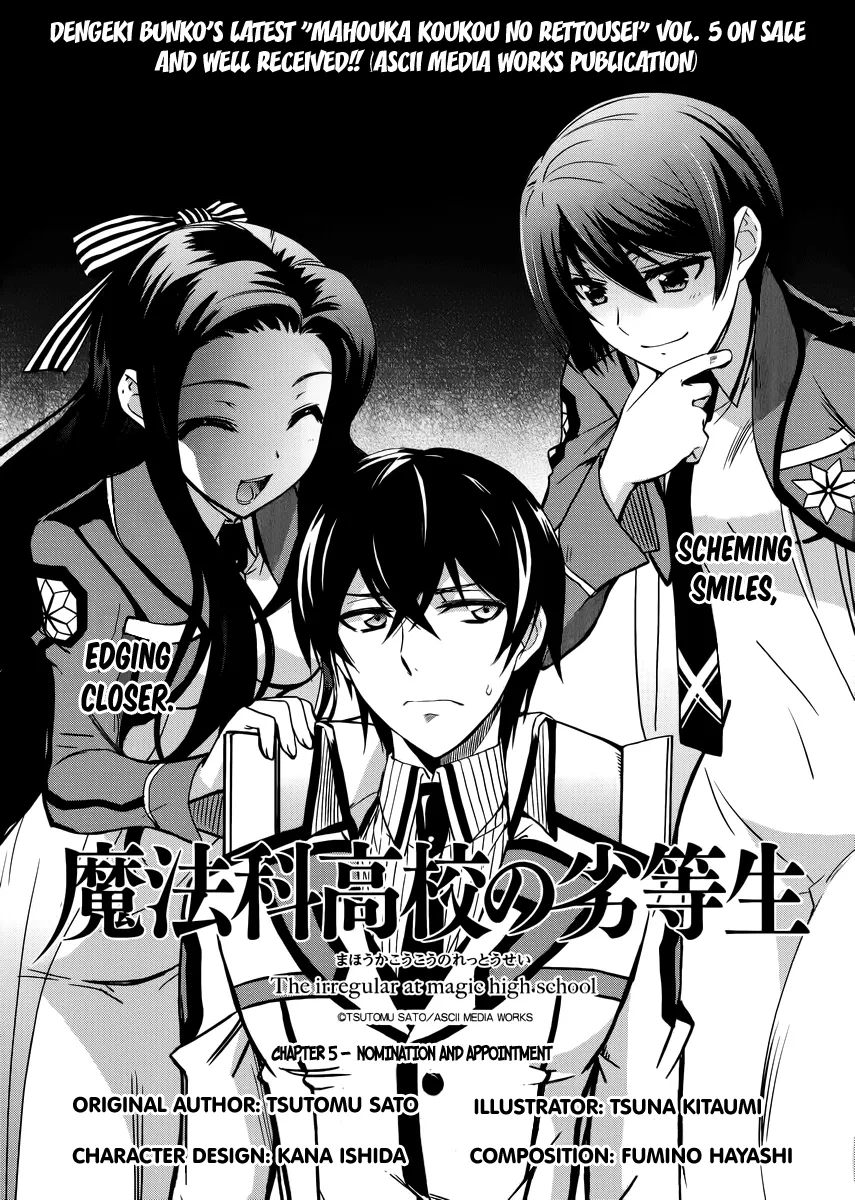
Fair warning: the art style changes between every arc are jarring. The Enrollment Arc has clean, polished art. The Steeplechase Arc looks completely different. Going back and forth feels disjointed in a way that a single manga series never would. This is the structural weakness of the “one manga per arc” approach. Twelve different artists means twelve different visual interpretations of the same characters. Tatsuya looks noticeably different depending on which manga you’re reading.
How Does the Manga Compare to the Anime?
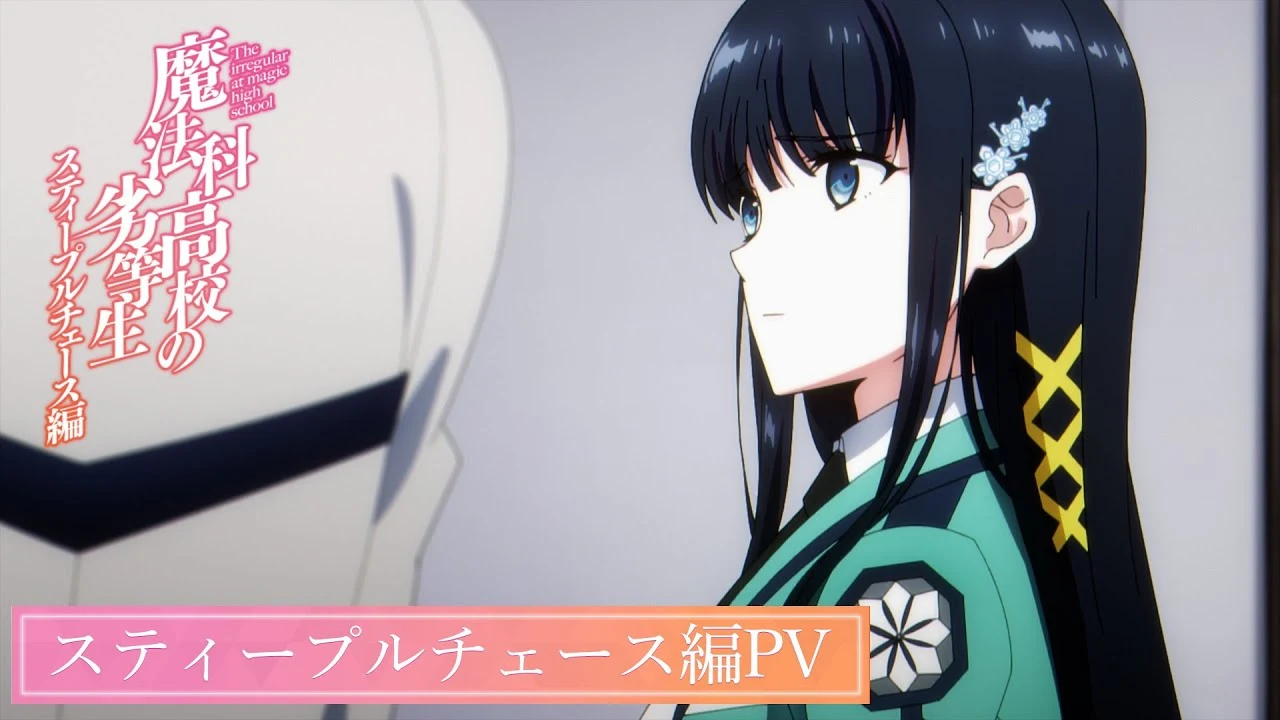
The anime is actually a better visual adaptation than the manga in most areas. Madhouse (Season 1) and 8-bit (Seasons 2-3) maintained consistent character designs across all adapted arcs, which the manga can’t match. The anime’s action sequences are fluid and dynamic where the manga panels are static. And the anime has an official English release with professional subtitles.
Where the manga beats the anime: pacing. The anime compresses entire volumes into a few episodes. The manga takes more time with individual scenes, giving moments room to breathe. The Enrollment Arc manga spends more panels on the Course 1 vs Course 2 social dynamics than the anime’s equivalent episodes, and that additional space helps the discrimination theme land more concretely.
But the anime covers Volumes 1-15 consistently, while the manga has gaps and abandoned projects. For someone choosing between the two as their visual companion to the LN, the anime is the safer recommendation. It’s complete through Volume 15 with official translations and consistent visual design throughout.
The manga’s niche is hyper-specific: you’ve read the LN, you’ve watched the anime, and you want additional visual interpretations of specific arcs drawn in manga’s static-panel format. That’s a real audience. It’s just not the starting point.
Should You Bother With the Mahouka Manga at All?
If you’ve read the LN and want more Mahouka content, yes. The Enrollment Arc manga and the Yotsuba Succession Arc manga are both worth your time as supplements. They won’t replace the LN experience, but they’ll expand your visual vocabulary for the series in ways that enhance rereads of the source material.
If you haven’t read the LN yet, and you’re choosing where to start, skip the manga entirely. Go straight to the light novel. You can grab Volume 1 from Amazon or digitally through BookWalker. Read the story as Satou wrote it, with the full technical depth and character interiority that makes Mahouka work. Then decide if you want the manga’s visual companion.
The community’s position on this hasn’t shifted in years. LN first. Manga as dessert.
For the complete reading order of the light novel series, check my Irregular at Magic High School reading order guide. For how the LN compares to the anime adaptation specifically, see my LN vs anime breakdown.
Frequently Asked Questions
Does The Irregular at Magic High School have a manga?
Yes, but it’s unusual. Instead of one continuous manga, the series has 12+ separate manga adaptations, each covering one arc of the light novel with a different artist. The Enrollment Arc, Nine Schools Competition, Yokohama Disturbance, Reminiscence, Visitor, and Yotsuba Succession arcs all have their own manga series. None have official English translations.
Is the Mahouka manga or light novel better?
The light novel is better for the complete story. The manga adaptations are incomplete (covering roughly half the 32-volume LN), have no official English translations, and can’t reproduce the internal monologue and technical depth that makes the series work. The manga is best used as a visual supplement after reading the LN.
What is the Mahouka manga reading order?
Follow the LN arc order: Enrollment Arc, Nine Schools Competition, Yokohama Disturbance, Reminiscence, Visitor, Double Seven, Steeplechase, Ancient City Insurrection, and Yotsuba Succession. Each is a separate manga title with a different artist. Be aware that several arcs have incomplete fan translations.
Why are there so many Mahouka manga?
Each arc was licensed as a separate manga project in Japan, likely because the LN arcs are distinct enough to function as standalone stories and because different artists could work on different arcs simultaneously. This sped up the manga adaptation process but resulted in inconsistent art styles and no single cohesive manga experience.
Should I read the manga or watch the anime after the light novel?
Watch the anime first. It covers Volumes 1-15 with consistent art, official translations, and professional production quality. The manga is best reserved for after you’ve experienced both the LN and anime, as a supplementary visual resource for specific arcs you want to revisit.