
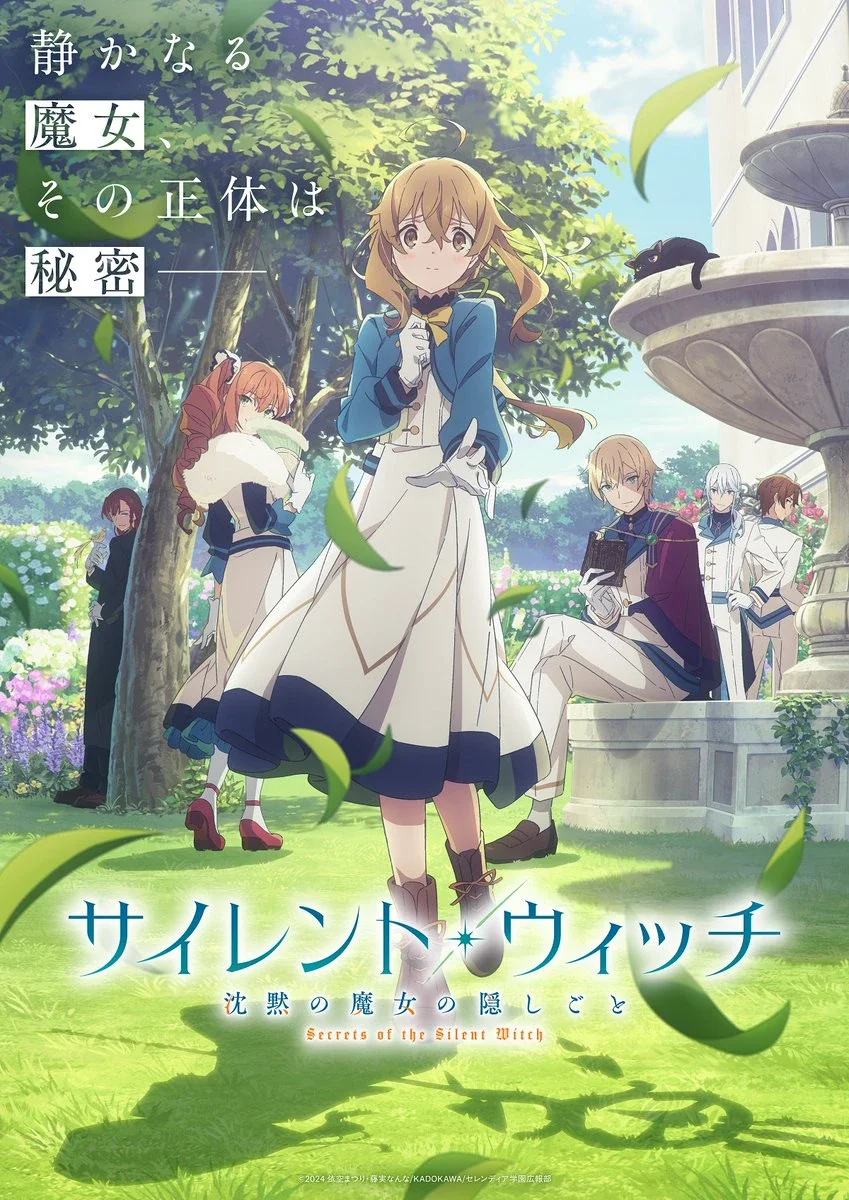
The Secrets of the Silent Witch anime aired from July to October 2025 and did something difficult: it adapted a story that lives inside its protagonist’s head without making it boring to watch. Monica Everett’s anxiety. Her silent casting. Her slow integration into a social world she spent years avoiding. The anime found visual language for all of it. MAL gave it an 8.11. The light novel community gave it a grudging nod of respect, which from LN readers toward anime adaptations is basically a standing ovation.
But here’s the thing. The anime adapted three volumes of a twelve-volume series. And what it adapted well, it also compressed. The visual storytelling works. The emotional beats land. But Monica’s inner world is deeper on the page. The political threads are more detailed. The supporting cast gets development the anime had to trim for time. The adaptation is good. The source material is better in ways that matter if this story appeals to you at all.
TL;DR
The anime faithfully adapts volumes 1-3 with strong production values and a voice cast that defined several characters. What it cuts is Monica’s internal experience (her anxiety spirals, her mathematical reasoning during magic, her moment-to-moment emotional processing), the deeper political threads, and quieter character scenes between set pieces. The anime gives you the story. The novels give you the perspective. If Monica’s anxiety resonated with you on screen, the novels show you what was happening behind every stammer and frozen moment the anime could only hint at.
How Faithful Is the Adaptation?
Structurally, very faithful. The anime covers volumes 1 through 3 in 12 episodes without rearranging arcs, cutting named characters, or inventing original plotlines. Monica’s mission to protect Felix, her integration into academy life, the conspiracy that drives the first major arc. All present, all in order.
The pacing works well for the most part. Three volumes across 12 episodes gives each volume roughly four episodes, which is a comfortable ratio for a character-driven story. The academy introduction gets enough time to establish relationships. The first arc builds tension at a pace that respects the source material. Nothing feels critically rushed.
Where the adaptation makes compromises, it cuts consistently: Monica’s internal monologue. The slower character moments between plot events. The finer details of the political and magical world-building. These aren’t careless cuts. They’re the necessary tradeoffs of fitting prose into 24 minutes per episode. The anime trusts its visual and audio storytelling to carry what the text spells out explicitly. Most of the time, that works.
What the Anime Adds
The magic animation is the headline. Monica’s silent casting is inherently visual in a way that prose struggles with. The novels describe her mathematical processing. The anime shows magic circles forming without incantation. Spells materializing from pure calculation. The visible confusion on other characters’ faces when they realize what just happened without a single word being spoken. Silent casting as a concept is cool on the page. On screen, it’s stunning.
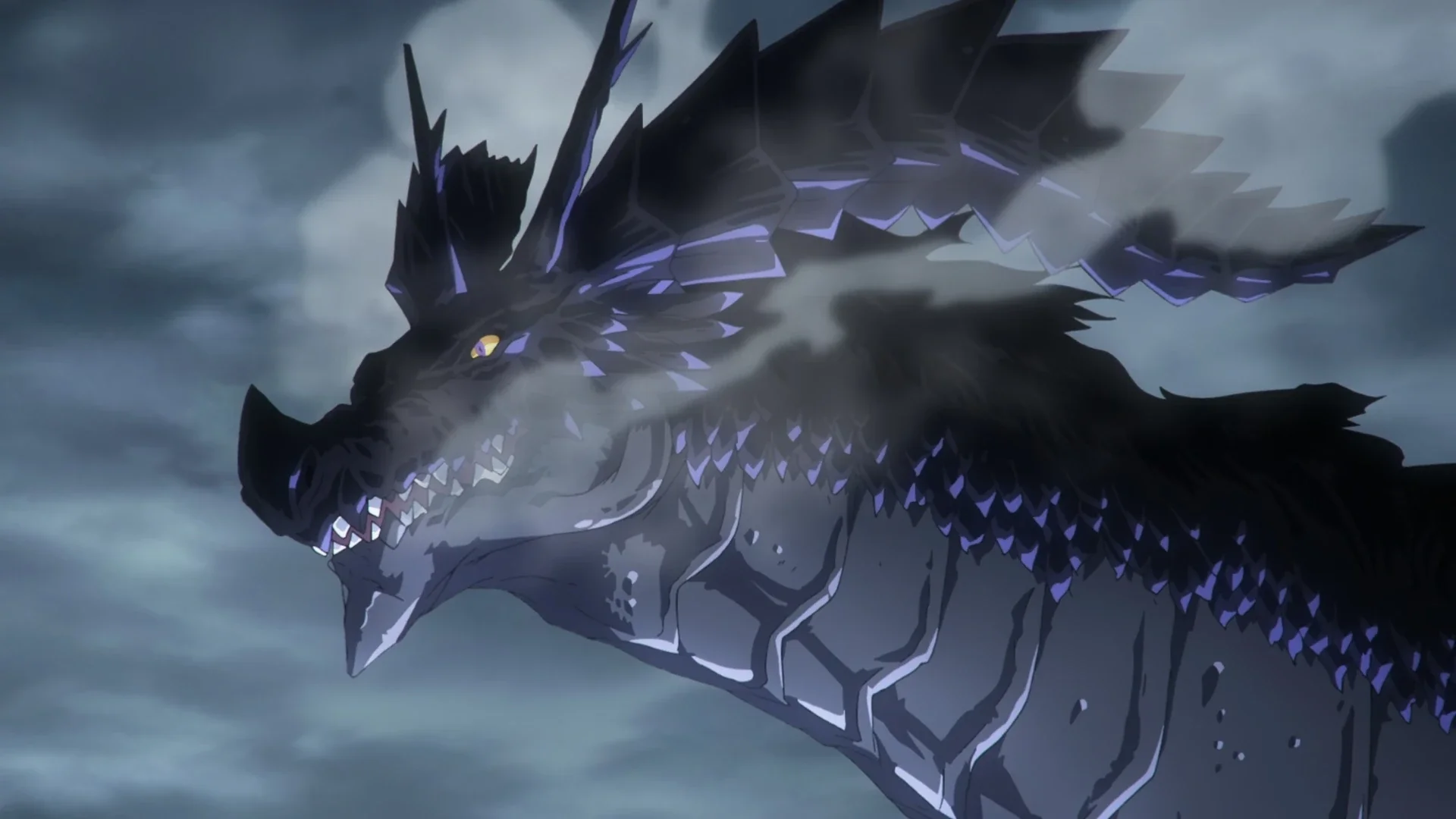
Nero’s transformations between cat form, human form, and his true nature get the visual treatment they deserve. The dragon scene in particular is a moment the novels describe effectively but the anime makes visceral. You feel the scale. The shift from cute familiar to something ancient and dangerous lands with an impact that text alone can’t replicate.
Voice acting transforms Monica specifically. Her voice actress captures the trembling, the half-started sentences, the way Monica’s voice drops to nearly inaudible when she’s overwhelmed. Reading Monica’s anxiety is one experience. Hearing it performed is another. The voice cast across the board is strong, but Monica’s performance is what makes the anime worth watching even if you’ve read the novels.
The soundtrack handles mood transitions that the novels manage through prose pacing. The shift from comedic academy scenes to genuine magical threat has musical cues that bridge tones the novels bridge with sentence structure and paragraph rhythm. Both work. They work differently.
What the Novels Add
Monica’s Internal World
This is the biggest difference, and for this specific series, it’s enormous. Monica’s anxiety isn’t a character trait. It’s a perspective. The novels put you inside her head for every social interaction, every unexpected conversation, every moment where a normal person would navigate easily and Monica is calculating survival routes.
You experience her counting the people in a room and assessing threat levels that have nothing to do with combat. You feel her rehearsing sentences in her head, discarding three versions, settling on the safest one, and then saying something completely different when panic overrides preparation. The specificity of her internal processing is what makes her feel real rather than trope-adjacent. The anime conveys that she’s anxious. The novels let you experience what anxious means for this specific person.
Her relationship with magic gets similar treatment. When Monica casts silently, the novels show you the mathematical architecture she’s constructing in real time. The formulas. The variables. The calculations other mages outsource to incantation. The anime shows the result. The novels show the process, and the process reveals how Monica’s mind works in ways that deepen every other aspect of her character.
The Political and Institutional Detail
The anime establishes that Monica is protecting Felix from political threats. The novels build out what those threats actually look like. Noble factions jockeying for influence. Power dynamics within the Seven Sages. Institutional politics at the academy layered on top of succession tensions. These threads start thin in volume 1 and thicken across volumes 2-3 in ways the anime doesn’t have time to develop.
By the time the first arc’s conspiracy reaches its climax, the novels have given you enough political context to understand not just what happened but why it was possible and who benefits from the outcome. The anime gives you the crisis. The novels give you the system that produced it.
The Supporting Cast Between Plot Beats
The anime nails the supporting cast in their key moments. Isabelle’s aggressive friendliness, Nero’s dry commentary, Felix’s careful observation of Monica. What the anime compresses is the connective tissue. The casual conversations that build trust. The small moments where characters reveal themselves outside of plot-relevant scenes.
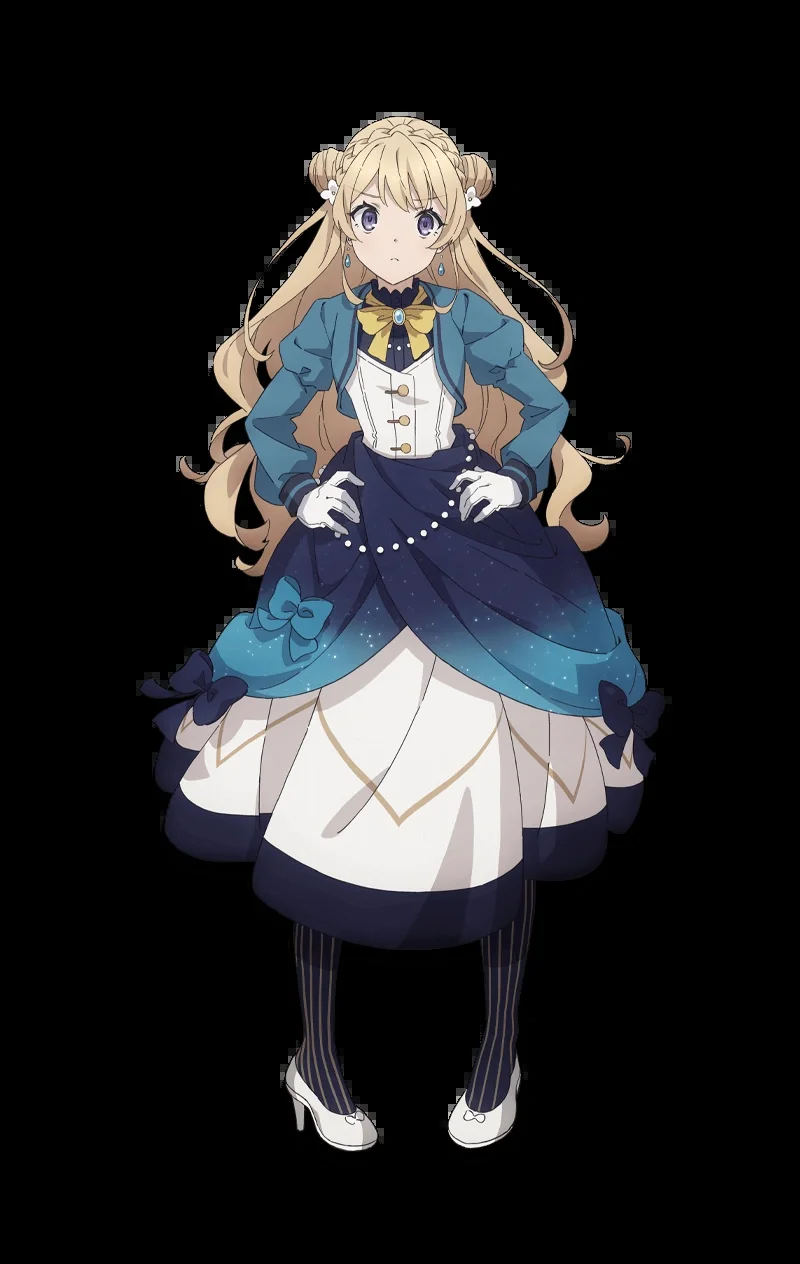
Lana Colette’s friendship with Monica develops through accumulated small interactions in the novels. The anime shows the friendship existing. The novels show it being built, conversation by awkward conversation, with Monica’s internal commentary on each interaction adding comedy and depth simultaneously. Cyril’s political awareness gets room to develop. Felix’s layered responses to Monica’s behavior make more sense with internal context. Isabelle’s motivations go deeper than surface-level friendliness. The novels give every supporting character more room, and they all use it well.
What Happens Beyond the Anime?
Nine volumes of unadapted content. The anime covered volumes 1-3, and the story at that point is still in its early stages. The political threads that volumes 1-3 introduced expand significantly. Monica’s position at the academy becomes more complicated. Her identity as a Seven Sage creates tensions that the first arc only hinted at. The world beyond the academy walls starts pulling the story outward.
No Season 2 has been announced. The anime performed well enough (MAL 8.11, strong viewer engagement) that a continuation is possible, but nothing is confirmed. If the anime left you wanting more, the light novel is the only path forward. And with nine volumes of material ahead of where the anime stopped, it’s a path with a lot of road.
Which Should You Experience First?
The anime is a legitimate entry point. It tells you within three episodes whether the premise and characters appeal to you, and it does so with production values that enhance the academy setting and the magic system. If the anime hooks you, start the novels at volume 1 for the full internal experience or volume 4 to continue where the anime left off.
Starting with the novels gives you Monica’s complete inner world from page one. The anxiety, the mathematical magic, the slow discovery that other people might not be as threatening as she assumed. Then watching the anime adds voices, music, and visual magic to a character you already know intimately. Both orders work. The novels are deeper. The anime is more immediately accessible. Neither makes the other redundant.
FAQ
Q: Does the anime skip anything important from volumes 1-3?
A: No major plot points are skipped. The cuts are in internal monologue, character development scenes between plot beats, and political world-building detail.
Q: Can I start the light novel at volume 4 after the anime?
A: Yes. The adaptation is faithful enough. Reading volumes 1-3 later for Monica’s full internal experience is recommended but not required.
Q: Is the anime better than the light novel?
A: Different strengths. The anime excels at magic animation, voice performance, and visual storytelling. The novels excel at Monica’s internal world, political depth, and character development between set pieces.
Q: Will there be a Season 2?
A: Not announced. The anime’s reception was strong and the source material is abundant, but nothing is confirmed.
Q: How much content is ahead of the anime?
A: Nine main volumes plus two extra volumes. The anime adapted roughly a quarter of the published material.