

Reincarnated as a Sword II premieres October 8 and starts at volume 3 of the light novels, C2C’s first season having covered volumes 1 and 2 back in Fall 2022. That’s the factual core of this post and you can leave with it. The rest is me explaining why this premiere matters more to me than the first one did, cause volume 3 is roughly where I went from “this is a pleasant isekai about a sword dad” to actually caring about this series, and Season 2 gets to adapt that stretch.
I published the full four-article cluster on this series back in August, the comparison, the review, the reading order, and the status post, so consider this the short pre-premiere addendum rather than a rehash.
Where Season 2 picks up
Volume 3, cleanly. Season 1 was one of those rare adaptations with a tidy endpoint, C2C covered the first two volumes across twelve episodes and stopped at a natural arc boundary instead of slamming into a mid-volume cliffhanger. Whatever else I’ve said about that adaptation, and I’ve said some things, the volume math it left behind is the easiest in my whole coverage rotation. Watched Season 1? You’re at the start of volume 3. Done.
The four-year gap between seasons is the bigger deal, honestly. Fall 2022 to fall 2026 is long enough that a chunk of the S1 audience has genuinely forgotten the details, and if that’s you, my advice is to just rewatch the last two episodes rather than doing a full reread or rewatch, the show recaps its own premise generously and Fran’s whole situation reads clearly from context. This series was never plot-complicated.
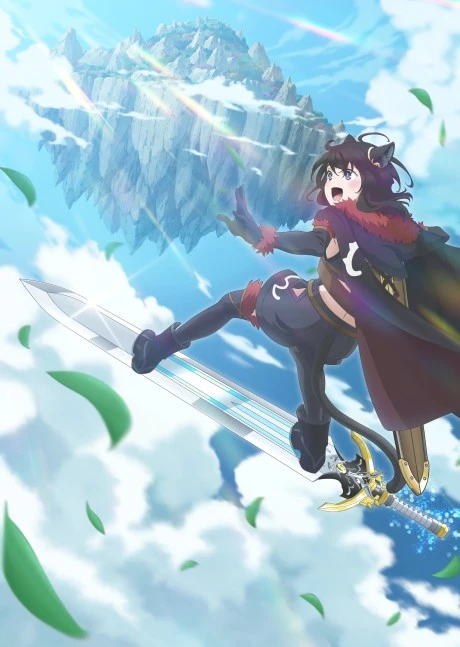
Why volume 3 is where I actually got invested
I want to be careful not to oversell this, cause the series never becomes something it isn’t. It’s comfort-food isekai with an unusually good central gimmick, the sword narrates, the girl fights, the skill system has actual bookkeeping. But volume 3 is where the formula stops coasting on novelty and starts compounding. The stakes localize and the supporting cast stops being scenery, plus there’s a stretch in the middle (the back half? I’d have to check, and I’m not going to) where Teacher is rationing skill activations against a clock, and it turns a fight that should be filler into the best sequence in the early books. On the page that sequence works because you’re inside the decision-making. What the anime does with it is, frankly, the thing I’m most curious about on October 8.
That’s also my quiet worry, and cluster readers already know the shape of it: this series lives in Teacher’s head, the show can’t fully go there, and volume 3’s best material is more head-dependent than volumes 1 and 2 were. I laid that whole argument out in the comparison post and I’m not going to re-run it here. Short version, C2C earned a cautious benefit of the doubt on execution and hasn’t earned one on interiority, and volume 3 leans on the exact thing they’re weakest at.
The read-ahead math
Simplest version on the site. One volume, volume 3, read before October 8, and you’re ahead of the season with the source fresh. RIAS volumes are fast, this is a weekend, not a project. If the season covers two volumes like S1 did, add volume 4 at your leisure once the broadcast is underway.
If you’ve never touched the books at all, the calculus is different and I’d point you at the review first to decide whether the series is your thing, cause I’m on record that it’s a genuine 7-out-of-something, good at what it does, uninterested in being more. People who want comfort food with competent systems-writing tend to stay. People waiting for it to become Mushoku Tensei leave around volume 5 and I don’t blame them.
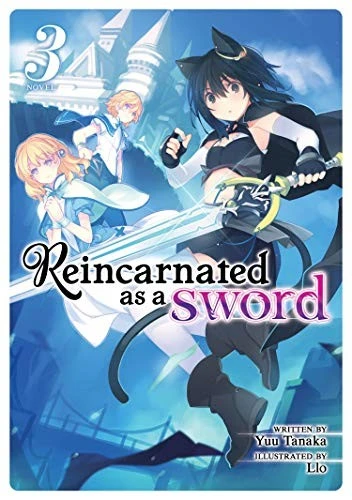
What I’m watching for in the premiere
The monologue budget, mostly. How much of Teacher’s internal chatter survives into voiceover is the whole question for me. S1 kept maybe a third of it by my rough count, and the sequences that kept more played noticeably better, I went back and spot-checked a couple when writing the comparison and the correlation was not subtle. Everything else I care about is downstream of this one number, which is a strange thing to admit about a show with sword fights in it, but here we are.
Pacing I’m less worried about. Two volumes across twelve episodes is the S1 precedent and it produced a season that never felt rushed, which is rarer than it should be. If the listings start suggesting a three-volume sprint I’ll adjust and say so, but C2C hasn’t shown that instinct.
And the fights, that one’s less a prediction than a prayer honestly. The skill-juggling is the series. Render those beats as generic glow-effect exchanges and the whole appeal quietly evaporates.
Four years is a long time in isekai
Worth pausing on the gap itself, cause it shaped this fandom in a way premiere coverage will skip over. When S1 aired in Fall 2022 the isekai field was so crowded that a competent, quiet adaptation barely registered, and the four years since have been carried almost entirely by the books and the manga, which kept releasing on schedule while the anime sat dormant. The people still around for this premiere are disproportionately readers, which is unusual, most sequel seasons arrive to an audience that’s mostly anime-only. I don’t know what that does to the discussion threads.
For my part, the gap is when I actually became the person writing these posts about the series. I’d read the first eight volumes before the show ever aired, watched S1 as a supplement, and then the anime went quiet while the books kept going, so my relationship to this franchise is mostly page, the show has always been the supplement. Which colors everything above, obviously, and you should weigh my monologue-budget obsession accordingly. Someone who found the series through the show would write a different post, probably a more relaxed one.
The English release situation stayed healthy through the gap too, Seven Seas kept the volumes coming and the series is comfortably ahead of anything the anime can reach for years. No catch-up anxiety, no translation cliff. Of the four shows I’m covering closely this season, this is the one where the reading runway is longest and the stakes are lowest, and I mean that as a feature.
The scheduling problem nobody asked me about
October 8 lands in the most crowded premiere week I’ve ever tried to cover, Apothecary Diaries on the 2nd, Magical Explorer the 4th, Magical Girl Raising Project the 6th, TanMoshi the 7th, this on the 8th, Iceblade the 9th. I mapped the whole pileup in the season guide and I’m still not sure how anyone with a job keeps up with that week in real time. My honest plan is to watch this premiere and TanMoshi’s live and let the others pool for the weekend, which feels like a small betrayal of Apothecary Diaries in particular, and I reserve the right to reshuffle the whole thing by Wednesday.
Nobody’s going to be arguing about this one on Wednesday, RIAS has no discourse machine and no meme legacy, just people who watch it and tend to like it. That’s fine. I’d rather it be good than be discussed, and some of my favorite series have lived in that exact spot permanently.