

This article contains affiliate links. If you buy through these links, we earn a small commission at no extra cost to you.
The short version
- The 2024 anime covers light novel volumes 1 through 4 in twelve episodes, faithfully for three volumes and in a hurry for the fourth. Pick the books up at volume 5.
- The big difference isn’t a cut scene. It’s that the anime is built on the rhythm of the YouTube voice-drama the series started as, two people talking in a room with the same voice cast, while the novels bolted a dual point-of-view diary on top of that, and the diary is the part the show couldn’t carry.
- It’s still one of the best adaptations of a slow romance I’ve seen, and I watched it before I read it.
I watched this one weekly in the summer of 2024, Thursdays, usually a day late, which is the only way I watch anything anymore. I hadn’t read the books. I didn’t know the series had started as a YouTube channel until about episode 6, when someone in a thread mentioned the cast had been voicing these two characters since 2020, and that one fact reorganized how I understood the whole show. Everything I’d been reading as “unusually confident direction” was, partly, four years of two actors already knowing exactly how these characters talk to each other.
Then I read the books, the first four over the two weekends after the finale and the rest this summer. Volume 2 is where it clicked for me, and I’ll get to why, but the short of it is that the novels have a thing the show structurally cannot have, and past volume 4 that thing is most of the series. Both come out of the channel, obviously, that’s not the interesting part.
Where the anime comes from
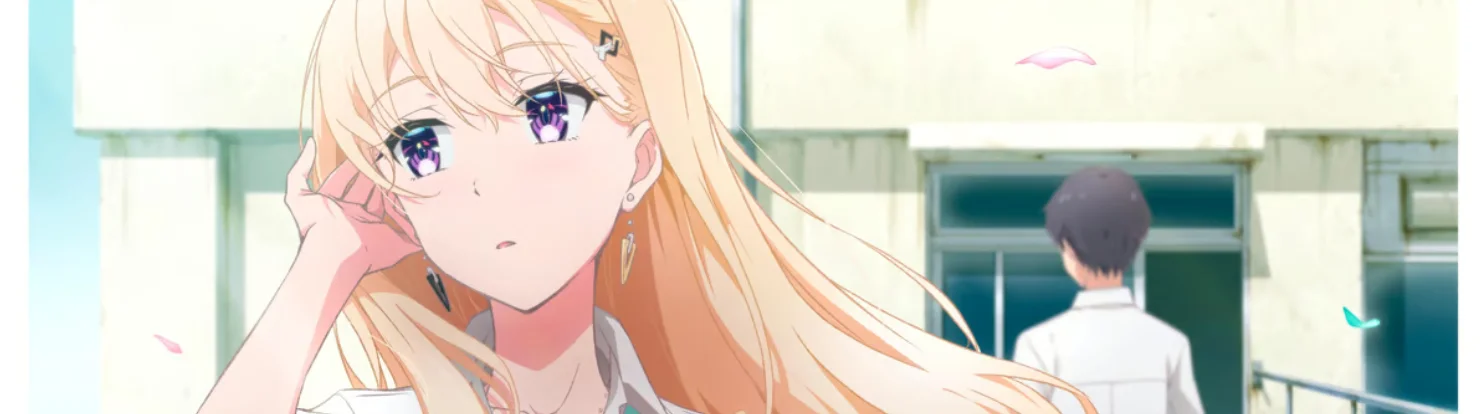
Days with My Stepsister started in 2020 as a YouTube channel, or 2021, whenever the channel actually got going, I’ve seen both dates. Short voiced scenes, mostly Yuuta and Saki in the apartment, a conversation at a time. The light novels came a year later and rewrote all of it into a proper story with dated chapters that alternate between the two leads’ heads. When the anime got announced in 2022 the cast from the channel came with it, which is unusual. And when the show aired, the thing people kept praising, the long quiet two-person scenes where a conversation about dinner carries a whole act, that was the channel’s DNA showing through.
I think Studio Deen and the director, Souta Ueno, understood this and built the show around it. The episodes are mostly two-handers. The camera sits in the kitchen or the hallway and lets the two of them talk, and the voice performances do the work a narrator would do in the books. It’s a good instinct and for about nine episodes it’s enough.
The pacing complaints the show got, and it got some, were from people who wanted something to happen. I get it, but the slowness is the point and the anime was right to keep it. The slowness was the channel’s whole appeal. Two people, one room, five minutes. The show is that, stretched to twenty-two minutes and twelve weeks.
What a two-person scene can’t do
The novels alternate point of view. You get a scene from Yuuta’s head, then the same evening or the next day from Saki’s, and the entire engine of the series is the gap between what each of them thinks the other meant and what the other actually meant. The anime has no way to do that. It can show you Saki’s face while Yuuta talks, and it does, beautifully, but it can’t show you Saki interpreting a neutral comment about studying as a judgment while you, having just read Yuuta’s chapter, know it wasn’t.

So the anime compensates with the camera. The light switch bit in episode 1, where Saki is figuring out the apartment’s switches at the end of the episode, is the show’s version of an interior chapter: it tells you everything about the cheap apartment she grew up in without a line of dialogue, and the finale thread was right to lose its mind over it. I still haven’t checked whether that scene is in the book, I keep meaning to, I think it might be a sentence somewhere in volume 1 that the show turned into ninety seconds, and if someone knows, tell me. The show does this a lot, turns a line of interior narration into a held shot, and when it works it’s better than the book’s version of the same beat.
When it doesn’t work you get the volume 2 problem. Volume 2 in the novels is the exam arc, and most of it is the two of them misreading each other over studying, and it only works because you’re inside both heads. On screen it’s two people being polite about homework for three episodes. The show’s weakest stretch is the stretch where the dual POV mattered most, and I don’t think that’s a coincidence.
I should say I predicted, around episode 3, that the show would start using voice-over narration to get around this. It never did, not once. In hindsight that restraint is why the good episodes are as good as they are.
Volume 4 in three episodes
The anime gives roughly three episodes to each of the first three volumes and then compresses the fourth, and volume 4 is the one where the compression costs you. It’s the “Big Brother” volume. Saki starts calling Yuuta that, everyone around them reads it as the relationship settling into something normal, and the book spends most of its length letting you realize, at Yuuta’s speed, that it’s the opposite, a line she’s drawing so she doesn’t cross a different one. The book earns the kitchen-table admission at the end by making you sit in the misread for two hundred pages.
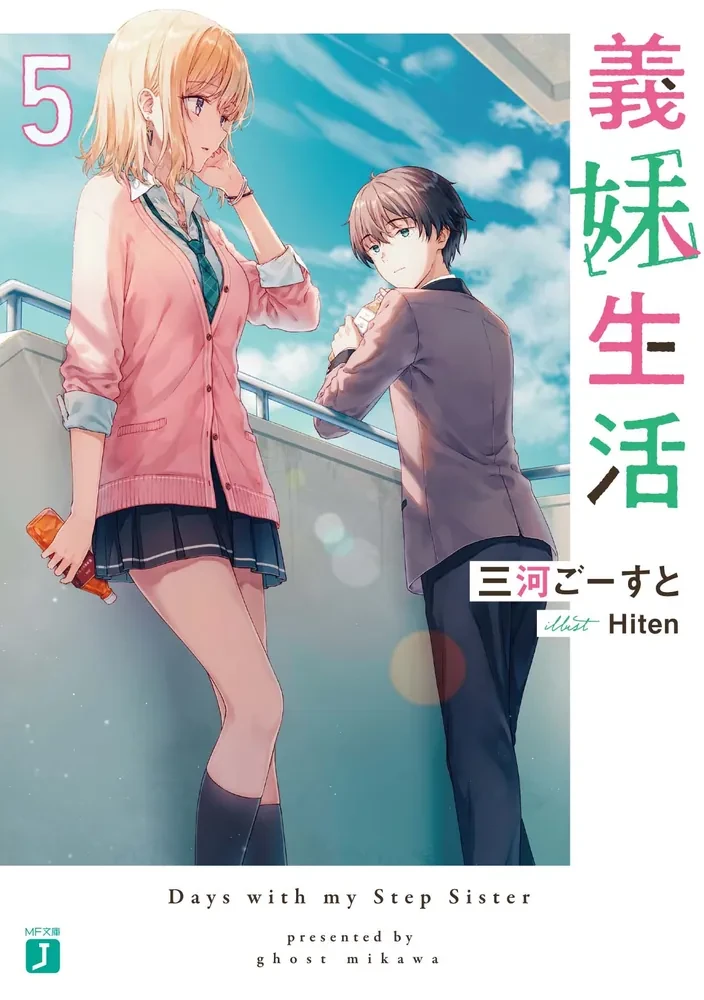
The anime gets there in a fraction of the time and the admission plays as a release, which is a legitimate choice. The finale thread was overwhelmingly happy with it. I was happy with it. I also think it’s the one place the show’s two-person-scene approach fails it, cause the Big Brother beat only means what it means if you’ve been inside Saki’s head while she decides to use it, and on screen it reads as the regression a lot of viewers took it for. The book’s version is smarter, I think, though I’d have said the opposite the week the finale aired and I’m not fully sure I’ve stopped believing it.
The other cost of the compression is the side characters. Maru and Maaya, the two friends, get real scenes in the novel’s fourth volume that are about the two leads from the outside, and the show trims those to almost nothing. Shiori keeps her material, because Shiori’s material is the plot. Maru gets maybe two lines that aren’t setup, and there’s a Maaya scene in the fourth book, the one where she’s talking about Yuuta to someone who isn’t him, I’m fuzzy on who, that I think is the best outside read on the two of them in the whole series, and the show doesn’t have it at all. Anyway.
What the anime does that the books can’t
The voices. I keep coming back to it. Four years of the same two actors playing these two people before the show existed means the hesitations are real, the half-finished sentences land, and there’s a specific way Saki goes quiet that the books describe and the show just does. I’ve tried to hear the books in those voices on the reread and mostly can.
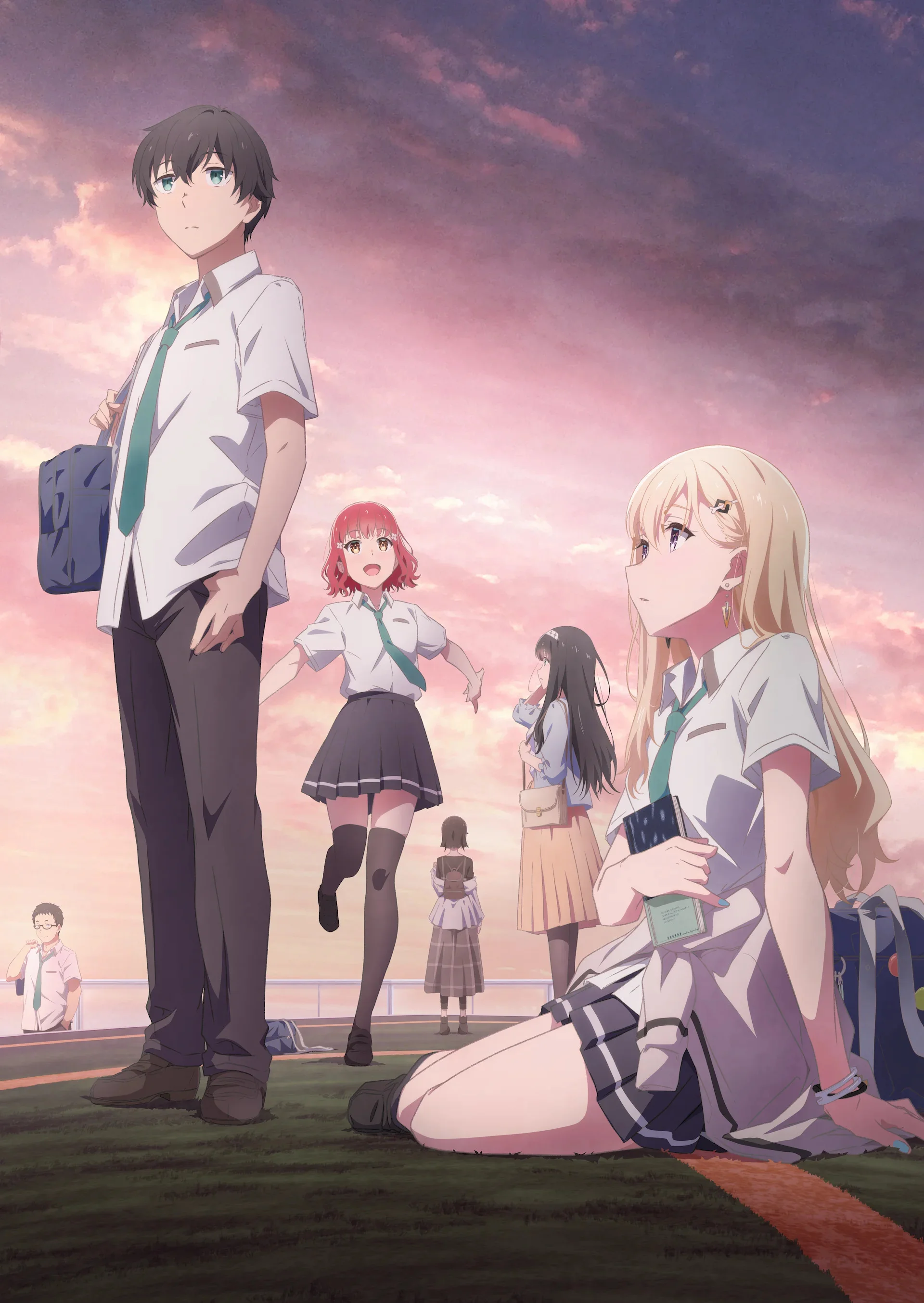
The opening is by fhána and it’s good in the way their stuff is always good. I’m mentioning it mostly cause it’s the thing I remember most clearly from any given Thursday. The ending I’ve genuinely forgotten and I’m not going to look it up. The show also has a color sense the books obviously can’t, the apartment is lit like a real apartment, warm in the evening and flat in the morning. The way the show uses the light to tell you what time of day a scene is does the same work the dated chapter headers do in the novels. I didn’t notice that until the reread, when I realized the book’s chapter dates were telling me things the show had been telling me with lamps.
And honestly the show is just a better entry point. Twelve episodes is a weekend. Four volumes is a commitment and the second one is a slog. The anime gets you through the slog with faces and pauses, mostly Saki’s.
Where to pick up the books
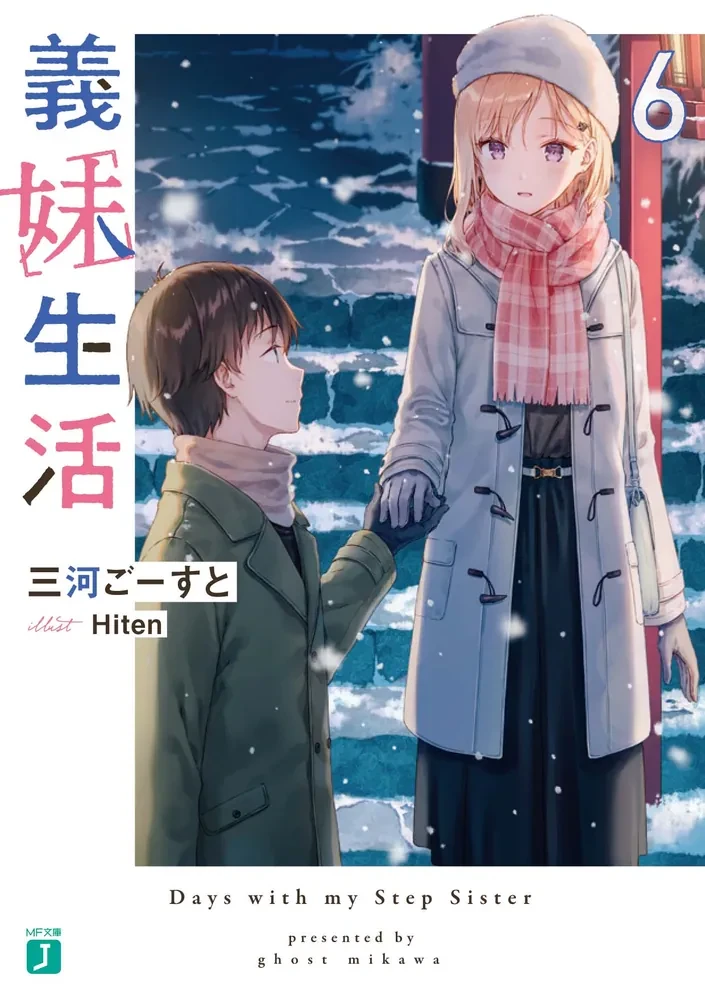
Volume 5, if you watched the show and want to keep going. The book’s first chapter re-establishes where things stand without making a production of it, and from there you’re into the first date and the Halloween material, which is the lightest stretch of the series and a nice reward for having sat through the show’s version of volume 2.
Volume 1, if you want the thing the anime couldn’t give you, the dual POV, for the stretch of story you already know. I did this and it was worth it, but I had the time. I’ll admit the first hundred pages of volume 1 are the show’s first two episodes with the camera turned off and a lot more thinking.
The thing I genuinely can’t tell you is whether a second season could work. The author has said one isn’t planned, and I think the reason is partly structural: volumes 5 through 7 are even more interior than 1 through 4, more of the story happens in what the two of them don’t say to each other, and the two-people-in-a-room approach that made the first season work would be adapting the half of the books that’s left over after you remove the part that matters. Maybe a different director solves that, or maybe you need the narration I was wrong to want the first time, I don’t have a guess.
What I have is the books, seven of them with the eighth in November, and a show I’ll rewatch when I want to hear the voices.