

Slime is hard to follow. Not because isekai is scarce. The problem is that most isekai borrowed the power fantasy without borrowing what makes Tensura actually work: the nation-building. Rimuru doesn’t just get strong. He builds a city, negotiates trade deals, appoints ministers, hosts diplomatic summits. Fuse wrote a 23-volume political fantasy disguised as a monster isekai, and finding other series that commit to that same level of institutional worldbuilding is harder than it should be.
This article contains affiliate links. If you buy through these links, we earn a small commission at no extra cost to you.
TL;DR
- Most isekai borrowed the power fantasy from Slime without the nation-building. Rimuru doesn’t just get strong — he builds a city, negotiates trade deals, appoints ministers. Fuse wrote a 23-volume political fantasy disguised as a monster isekai.
- These picks commit to institutional worldbuilding. Political systems, economic frameworks, diplomatic stakes — not just fights.
- If the trade agreements and summit arcs were your favorite parts, these are the series that match that energy.
These seven series scratch different parts of the Slime itch. Some focus on the nation-building. Some on the OP protagonist who reshapes the world around them. A couple go for the comedy. All of them have more going on than “protagonist gets summoned, becomes overpowered, collects a harem.”
More about That Time I Got Reincarnated as a Slime
Overlord
Author: Kugane Maruyama | Publisher: Yen Press | Volumes: 18 (complete)
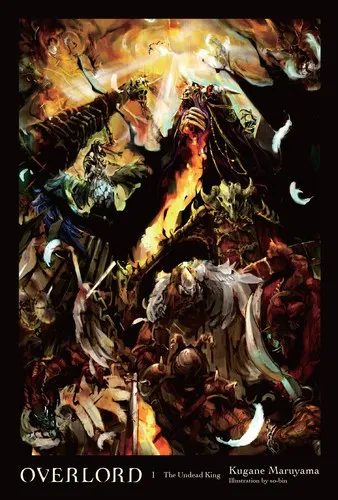
The obvious pick. Ainz Ooal Gown is Rimuru’s dark mirror. Both are isekai protagonists who build nations and reshape the geopolitical order of their worlds. The difference is intent. Rimuru genuinely wants coexistence. Ainz is playing a long game whose endgame even he doesn’t fully understand, surrounded by subordinates who are more ruthless than he is.
Overlord matches Slime’s scope. Both series track economics, military logistics, diplomatic maneuvering. Both have ensemble casts where subordinates carry entire arcs. Maruyama is less interested in Ainz’s personal growth than Fuse is in Rimuru’s. He’s more interested in the world reacting to Ainz’s presence. If Slime is about building a utopia, Overlord is about building an empire whether you meant to or not.
Complete at 18 volumes. The anime covers through Volume 14, so there’s unadapted material waiting.
Read this if: you want Slime’s nation-building with a morally ambiguous protagonist.
How a Realist Hero Rebuilt the Kingdom
Author: Dojyomaru | Publisher: J-Novel Club | Volumes: 19+ (ongoing)

Souma Kazuya gets summoned to a fantasy kingdom that’s about to collapse. Instead of fighting the demon lord, he reforms the tax code. Then the agriculture. Then the infrastructure. Then the military chain of command. Realist Hero is what happens when you strip the combat out of an isekai and replace it with public policy.
The Slime connection is direct. Both protagonists spend more time governing than fighting. Both series care about food supply chains, trade agreements, and why a city needs sewers before it needs a standing army. Dojyomaru goes further into the bureaucratic weeds than Fuse does. Entire chapters cover land reform debates. That’s either your thing or it isn’t.
Where it falls short: the prose is drier than Slime’s. Rimuru has personality. Souma reads more like a vehicle for policy ideas. The supporting cast (especially Liscia and Hakuya) compensates, but if you need a charismatic lead, this might test you.
Read this if: you want Slime’s governance focus pushed even further, minus the combat.
Tsukimichi: Moonlit Fantasy
Author: Kei Azumi | Publisher: Alphapolis (JP), J-Novel Club (EN) | Volumes: 20+ (ongoing)
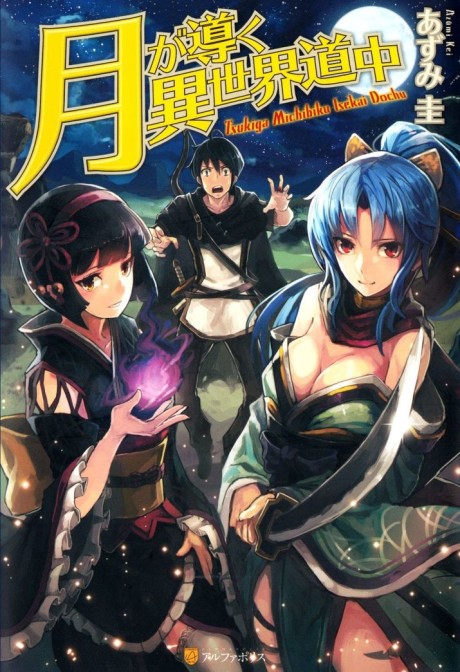
Makoto Misumi gets transported to another world but rejected by the goddess who summoned him. She dumps him in the wasteland. So he builds his own settlement with the demi-humans and monsters nobody else wants. The parallels to early Slime are strong: an OP protagonist who collects followers and builds a functioning economy in a place the main civilization ignores.
Tsukimichi leans harder into the comedy than Slime does. Makoto’s obliviousness to his own power is played for laughs more consistently than Rimuru’s. The merchant angle is a nice wrinkle. Makoto runs a trading company as his primary identity, and the business management subplots are more detailed than you’d expect from an isekai comedy.
Season 2 of the anime aired in 2024, so the series has momentum. The early LN volumes are rough compared to Slime’s polish, but the settlement-building and economic worldbuilding improve significantly after Volume 3.
Read this if: you want Slime’s settlement-building with a merchant protagonist and more comedy.
The Eminence in Shadow
Author: Daisuke Aizawa | Publisher: Yen Press | Volumes: 7+ (ongoing)
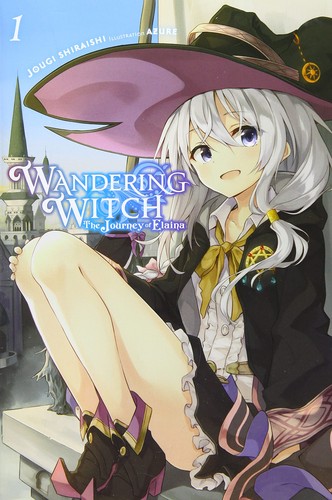
Different vibe, similar energy. Cid Kagenou is reincarnated and decides his life’s purpose is to be an edgy shadow ruler pulling strings from behind the scenes. He makes up a secret organization. He invents a conspiracy. The joke is that everything he makes up turns out to be real. The secret organization he built as a LARP becomes an actual global power.
The connection to Slime is tonal. Both series are about an OP protagonist who accidentally builds something much bigger than intended, surrounded by subordinates who take the whole thing far more seriously than the leader does. Rimuru stumbles into demon lord politics. Cid stumbles into saving the world while thinking he’s roleplaying. The comedy runs on the same gap between what the protagonist thinks is happening and what’s actually happening.
Eminence in Shadow is funnier than Slime but shallower in worldbuilding. The political intrigue exists but it’s played for laughs rather than explored seriously. Think of it as Slime’s comedy side dialed up to absurd levels.
Read this if: you want Slime’s “accidental empire builder” comedy without the political depth.
Accomplishments of the Duke’s Daughter
Author: Reia | Publisher: Seven Seas | Volumes: 10+ (ongoing)
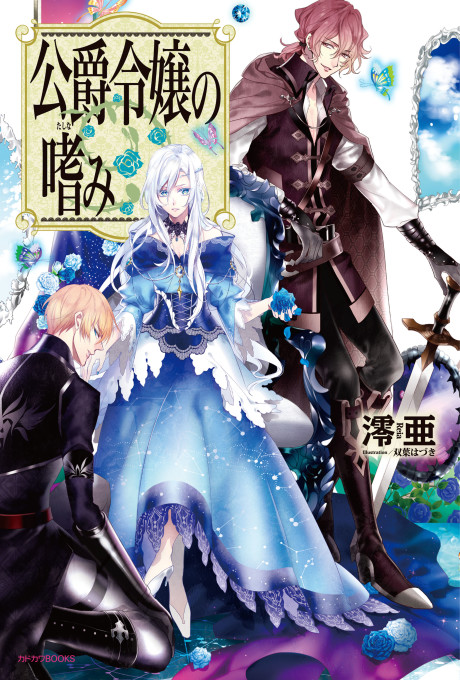
Iris gets reincarnated as the villainess in an otome game. Instead of fighting her fate through romance, she takes over her family’s territory and runs it like a business. Tax reform. Banking systems. Infrastructure investment. Trade routes. The series is a governance simulator wearing a villainess isekai skin.
This scratches the same itch as Slime’s Tempest-building arcs. Iris applies modern economic knowledge to a feudal system, and Reia actually does the math. You learn how double-entry bookkeeping changes a medieval economy. The series treats institution-building as inherently interesting rather than something to skip between fight scenes.
The anime adaptation (2023) was poorly received, but the source material is solid. If you’ve ever read a Slime volume and wished Fuse spent more time on the trade agreements and less on the demon lord battles, Duke’s Daughter is exactly what you want.
Read this if: you want Slime’s economic worldbuilding from a villainess perspective.
Trapped in a Dating Sim: The World of Otome Games Is Tough for Mobs
Author: Yomu Mishima | Publisher: Seven Seas | Volumes: 12+ (ongoing)
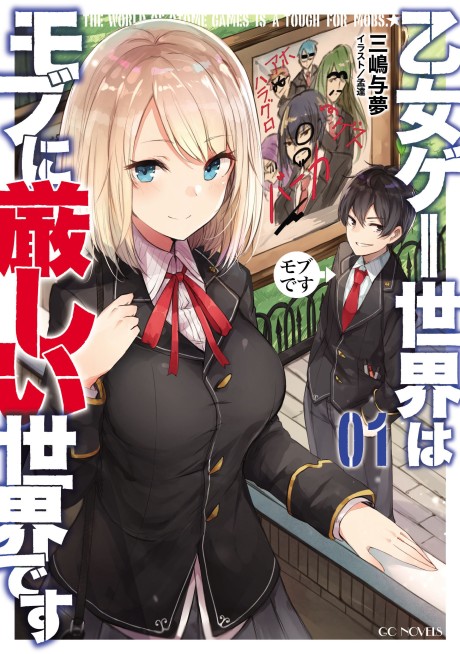
Leon Bartfort is reincarnated into an otome game world where women hold all the social power and men are disposable. He’s classified as a background mob. He has game knowledge, an absurdly powerful mech he found in a hidden dungeon, and zero respect for the social hierarchy. So he starts breaking the system.
The connection to Slime is the “outsider disrupts the established order” throughline. Leon, like Rimuru, accumulates power and allies despite the world’s system being designed to keep him irrelevant. The political maneuvering is surprisingly sharp for a series with “dating sim” in the title. Noble factions, military conflicts, inter-kingdom diplomacy. Mishima uses the otome game framing to set up a genuinely layered political fantasy.
It’s rougher around the edges than Slime. The harem elements are more prominent. But if you liked Rimuru’s “I don’t care about your hierarchy, I’ll build my own” attitude, Leon channels the same energy with more sarcasm.
Read this if: you want Slime’s political disruption with otome game comedy and mech battles.
By the Grace of the Gods
Author: Roy | Publisher: J-Novel Club | Volumes: 13+ (ongoing)
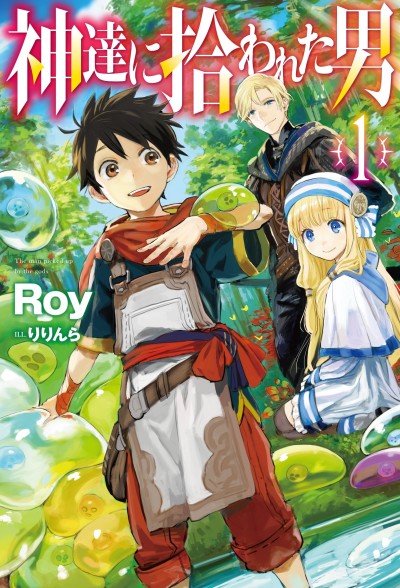
Ryouma is reincarnated into a fantasy world where he spends three years living alone in a forest raising slimes. Then he meets people, moves to town, and opens a laundry business using slime abilities. That’s the pitch. A former corporate worker uses his management experience and slime taming skills to build a small business in a fantasy town.
This is Slime with the stakes turned way down. No demon lords. No wars. No political summits. Just a competent adult building a life from scratch in a world that’s mostly pleasant. If you read Slime for the early Tempest-building chapters (before the Demon Lord ascension arc escalated everything) and wished the series had stayed in that lane, By the Grace of the Gods never leaves it.
The anime (two seasons, 2020 and 2023) is a decent adaptation. The LN is gentle, low-conflict comfort reading. Not every recommendation needs to be intense. Sometimes you just want to watch someone build a laundry empire with magical slimes.
Read this if: you want early Slime’s community-building warmth without the escalation into demon lord warfare.
Frequently Asked Questions
What makes Slime different from other isekai?
The nation-building. Most isekai focus on the protagonist getting strong. Slime focuses on the protagonist building institutions: a city, an economy, a military, diplomatic relationships. Fuse commits to the governance and political maneuvering across all 23 volumes.
Which series on this list is closest to Slime?
Overlord for the nation-building scope and demon lord politics. How a Realist Hero for the governance focus specifically. Tsukimichi for the settlement-building with an OP protagonist.
Are there any completed series like Slime?
Overlord is complete at 18 volumes. Slime itself is now complete at 23 volumes (finished November 2025). Most of the other recommendations are still ongoing.
Is there a light novel with less combat and more nation-building?
How a Realist Hero Rebuilt the Kingdom and Accomplishments of the Duke’s Daughter both prioritize governance over combat. Realist Hero barely has fight scenes. Duke’s Daughter focuses on economics and trade policy.
What’s a good lighter alternative to Slime?
By the Grace of the Gods. Same slime-taming concept, same community-building energy, but without the demon lord warfare and political escalation. Low-conflict comfort reading.