

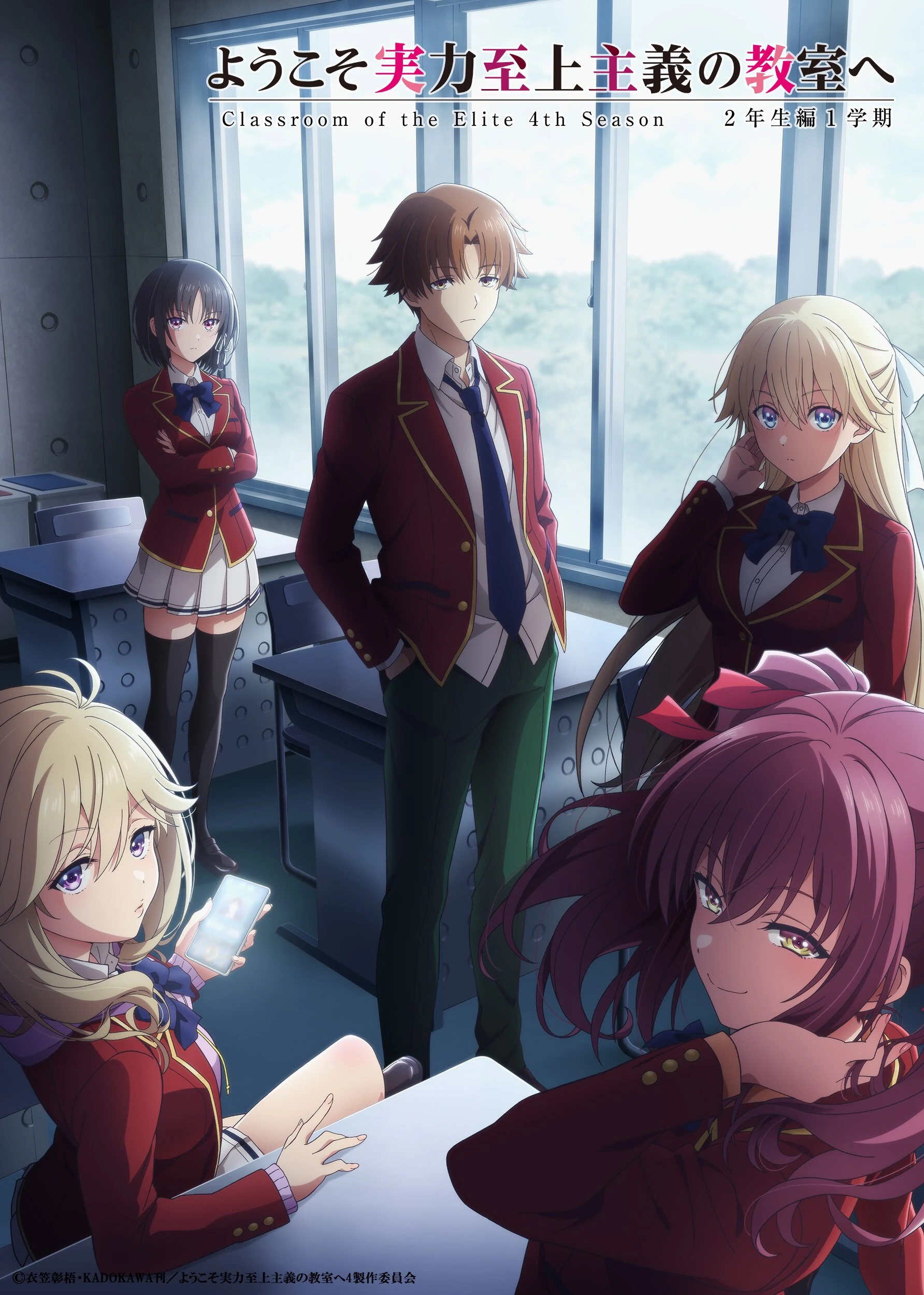
Season 4 premiered on April 1, 2026, with a 90-minute special dropping four episodes at once. And after three seasons of watching the anime systematically sand down every interesting edge the light novel has, I was genuinely curious whether Year 2 would break the pattern. The short answer: it’s better than Seasons 2 and 3. The longer answer: the same fundamental problem is still here, and the new characters suffer for it in ways that matter.
TL;DR
Season 4 adapts Year 2 Volume 1 of the light novel across its first four episodes. The anime handles the broad plot beats competently but compresses Nanase’s layered buildup into surface-level suspicion, strips most of Amasawa’s menacing subtext, and continues gutting Ayanokoji’s inner monologue. If you’re watching Season 4 and wondering why certain characters feel thin, the answer is in the books. Read Year 2 Volume 1 alongside the anime for the full picture.
What Does Season 4 Actually Cover?
Episodes 1 through 4 adapt Year 2 Volume 1 of the light novel. The setup: new first-year students arrive at the Advanced Nurturing High School, Nagumo introduces an OAA app that publicly ranks every student’s abilities, and the first special exam of Year 2 pairs first-years with second-years for a written test. If the pair scores below average, the second-year gets expelled. Simple enough on paper.
The real tension comes from the new characters. Kazuomi Hosen leads Class 1-D through violence and intimidation. Tsubasa Nanase appears to be his reluctant accomplice. Ichika Amasawa is the chaotic wild card who inserts herself into Ayanokoji’s orbit. And Takuya Yagami quietly approaches Kushida, claiming they went to the same middle school. All four of these characters are significantly more complex in the light novel than what the anime shows you. That gap is where this article lives.
How Does the Anime Handle Nanase Differently?


This is the biggest loss in these four episodes. In the anime, Nanase reads as suspicious. She’s with Hosen, she sizes up Ayanokoji, she’s clearly hiding something. Fine. That’s accurate on the surface. But the light novel gives you an entire arc underneath that surface, and the anime doesn’t have time for it.
In Year 2 Volume 1, Nanase meets Ayanokoji multiple times before the confrontation. They exchange information at the library. She tells him the first-years only received 800,000 class points, 200,000 less than what Ayanokoji’s year got. In return, he tells her about the existence of protection points. There’s a negotiation happening between them that has nothing to do with Hosen’s plan. Nanase is gathering intelligence on Ayanokoji because she has her own agenda.
She also tells Ayanokoji straight to his face that she thinks he’s “a wicked and filthy person.” Not in a heated moment. Calmly, during a conversation, then immediately backs off when he probes further. The light novel plants seeds here that don’t pay off until later volumes: Nanase’s hatred of Ayanokoji is personal, and it runs deeper than just following Hosen’s orders. She has her own reasons for wanting him gone, and those reasons are connected to his past in ways the anime hasn’t even hinted at.
And then there’s the post-confrontation reveal. After Hosen’s knife scheme falls apart, Nanase tells Ayanokoji that a bounty exists: any first-year who gets him expelled receives 20 million private points. Only a few first-years know about it. But she also admits, with visible hatred, that the bounty isn’t her real motivation. She has a personal reason. The anime’s version of Nanase loses almost all of this. You get “mysterious girl who was working with Hosen.” The light novel gives you a character with conflicting loyalties, genuine anger, and a backstory that’s actively unfolding.
What About Amasawa — Does the Anime Get Her Right?


Partially. The anime nails her energy. She’s playful, disruptive, and clearly operating on a different level than the people around her. The cooking scene with Ayanokoji captures her personality. But the anime can’t show you what the light novel makes clear through context and later reveals: Amasawa is from the White Room.
Her OAA stats tell a story the anime glosses over. Academic Ability: A (87). Physical Ability: A- (83). Those numbers put her near the top of the entire school as a first-year. In the light novel, Ayanokoji later evaluates her combat ability as levels above Sudo and Ryuen combined. Not slightly better. Levels above. That assessment recontextualizes every scene she’s in during these episodes. When she’s teasing Ayanokoji, when she’s helping Sudo, when she’s just being cheerfully chaotic, there’s a layer of calculated behavior underneath that the anime presents as quirky personality.
The anime also doesn’t convey the specific dynamic between Amasawa and Hosen’s group. In the light novel, the Amasawa-helps-Sudo scenario isn’t just Amasawa being nice. It’s part of the setup that leads to the knife confrontation. Hosen, Nanase, and Amasawa are working together to frame Ayanokoji. Amasawa volunteering to partner with Sudo creates a situation where Ayanokoji owes her proximity, which is what Hosen needs for the knife scheme. The anime shows the plot mechanics. The light novel shows the planning behind them.
Is Yagami Important in These Episodes?
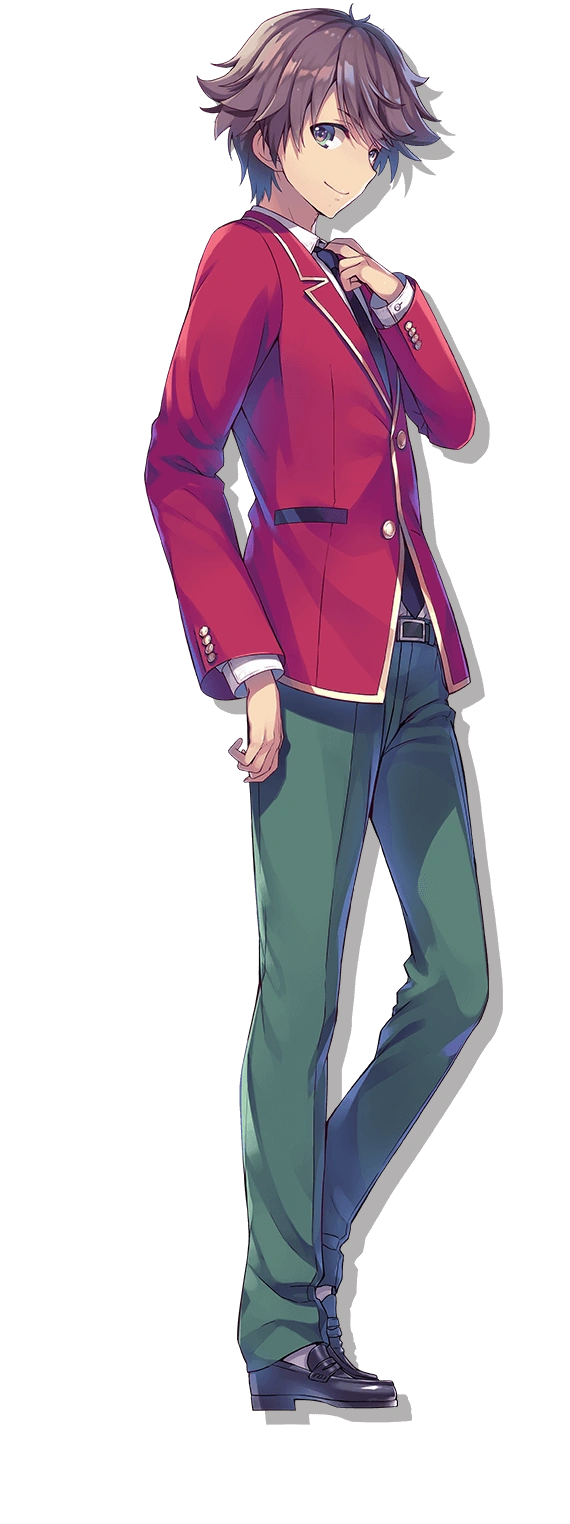
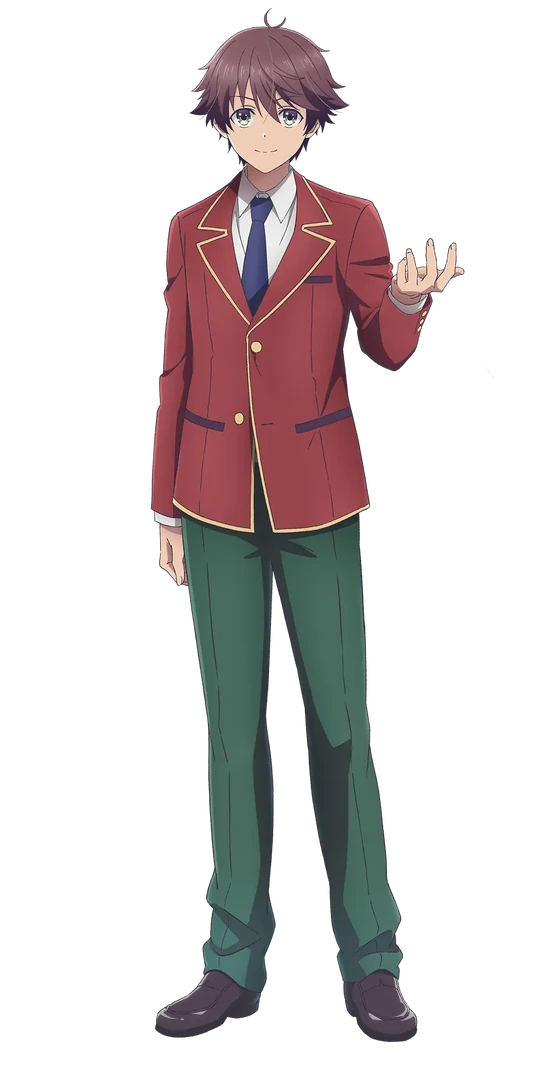
More than the anime lets on. In the anime, Yagami gets a brief introduction: he shows up during the Hosen confrontation, de-escalates, apologizes to the second-years, then approaches Kushida claiming they went to the same middle school. He seems like a nice, reasonable guy. That’s intentional, and the light novel plays it exactly the same way on the surface.
But the light novel gives you more to work with. Yagami’s OAA is revealing: Academic Ability A (93), the highest among the new first-years. His Social Contribution score is B+ (77), meaning other students rate him highly. He’s smart, well-liked, and immediately positions himself next to Kushida. In the light novel, he offers to wait for her decision about becoming exam partners, then later makes the partnership a condition for Class 1-B cooperating with Class 2-D. He’s not just being friendly. He’s maneuvering.
I’ll avoid spoiling what Yagami actually is, because the reveal is one of the best moments in Year 2. But I’ll say this: go back and rewatch his introduction scene after you know the truth, and it’s chilling. Every word he says is perfectly calibrated. The anime doesn’t have the internal framing to make you suspicious, but the light novel drops enough breadcrumbs that attentive readers start wondering about him immediately.
Does the Knife Scene Play Out the Same Way?

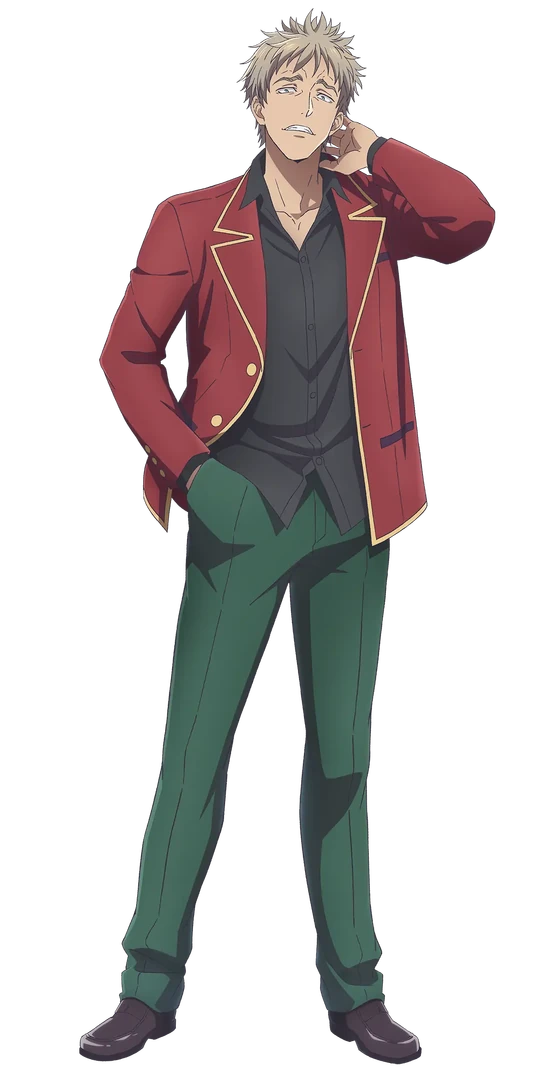
The broad strokes are the same. Negotiations break down at the karaoke, continue behind the first-year dormitory, Sudo and Hosen brawl, Hosen pulls a knife, Ayanokoji turns the situation by stabbing himself. The anime gets the spectacle right. The 90-minute premiere format actually helps here because the build-up across four episodes gives the confrontation room to breathe.
What’s different is the buildup. In the light novel, Horikita and Nanase spend multiple scenes negotiating, failing, re-approaching. Suzune refuses Nanase’s offer to replace Hosen as class leader because she believes persuading Hosen directly is the cleaner solution. Nanase admits she lied about wanting leadership, agrees with Suzune’s read, and promises to bring Hosen to a meeting on Sunday. The karaoke scene is the result of this multi-day negotiation, not a sudden confrontation.
The self-stab itself carries more weight in the light novel because you’re inside Ayanokoji’s head. He’s not acting on impulse. He calculated the optimal way to neutralize Hosen’s threat while creating evidence that incriminates Hosen rather than himself. The anime shows you the act. The light novel shows you the ten steps of reasoning that preceded it. That’s been the fundamental divide across all four seasons, and Season 4 doesn’t fix it.
What About the Art Style Changes?
This is less about LN-vs-anime differences and more about fan reception than source fidelity, but the community reaction has been loud. The community has been vocal about Season 4’s character designs. Amasawa’s LN illustrations portray her as deviously sharp. Reddit threads are calling the anime version “a plain girl.” Yagami was described in the novel as someone with a subtly scheming look hidden beneath innocence. The anime design doesn’t communicate that duality as effectively. Ayanokoji’s own design has shifted enough that long-time viewers noticed immediately.
Studio Lerche is still handling the animation, but Noriyuki Nomata replaced the previous season’s director, and the visual tone has shifted. Season 1 had this precise, almost clinical aesthetic that matched the school’s atmosphere. Season 4 feels a bit softer. Whether that’s a problem depends on what you value, but for a story about psychological warfare and hidden intentions, the LN illustrations by Tomose Shunsaku still do a better job of making every character look like they’re hiding something.
Does Season 4 Repeat the Same Mistakes as Seasons 1-3?
The Ayanokoji inner monologue problem? Yes. Still here. Still the core issue. His first-person narration in the light novel is what makes the Year 2 material work. He’s evaluating every new character, running threat assessments, noticing behavioral patterns. When he observes Nanase “sizing him up,” the LN tells you what he’s actually deducing from that. The anime gives you a lingering shot and lets you figure it out. For first-time viewers, that means missing the subtext entirely.
The class size issue from Season 1 (25 students instead of 40) hasn’t been addressed either. Year 2’s exam mechanics get more complex, and some of the math depends on specific student counts. We’ll see how they handle that as the season progresses.
But here’s what’s genuinely improved: pacing. The 90-minute premiere with four episodes was a smart decision. Year 2 Volume 1 is a setup volume, introducing new characters and establishing the Year 2 dynamics. Cramming it into four episodes and dropping them simultaneously means viewers get the complete setup without waiting weeks for pieces to fall into place. The previous seasons struggled with pacing across weekly releases. This format works better for COTE’s structure.
The remaining 12 episodes air weekly through June 24, covering what should be Year 2 Volumes 2 through 4 or 4.5 based on the 16-episode count. If you’ve read ahead, you know the island exam and the Yagami arc are coming. Those arcs are significantly more complex than what these first four episodes covered, and how the anime handles them will determine whether Season 4 breaks the pattern or just delays the same problems.
Should I Read Year 2 Volume 1 Alongside Season 4?
If you’re already watching Season 4 and you’ve never read the light novel, Year 2 Volume 1 is actually a reasonable entry point for the books. It’s a natural reset: new characters, new exam structure, new dynamics. You won’t have the full context of Year 1’s character arcs (and I’d still recommend going back to read Year 1 eventually), but the volume stands on its own as an introduction to the Year 2 storyline.
Seven Seas Entertainment publishes the English translation. The volume has seven chapters plus a prologue and epilogue. You can finish it in an afternoon, and when you do, go rewatch episodes 1-4. The scenes play completely differently when you know what Nanase is actually thinking, what Amasawa’s stats mean, and why Yagami chose Kushida specifically. The anime becomes a companion piece rather than a standalone product, and honestly, that’s the best way to experience COTE in any season.
For the complete breakdown of what Seasons 1-3 changed from the light novel (the pool scene swap, the class size reduction, the Ichinose-Horikita character reassignments, and more), check out my full Classroom of the Elite: Light Novel vs Anime comparison. And if you’re wondering whether the light novel series is complete, I’ve got a status update on that too.
Frequently Asked Questions
What light novel volume does Classroom of the Elite Season 4 cover?
Season 4 episodes 1-4 cover Year 2 Volume 1. The full 16-episode season is expected to adapt through Year 2 Volume 4 or 4.5, covering the partner exam, the island special exam, and the White Room student reveal. New episodes air weekly on Crunchyroll through June 2026.
Does Season 4 fix the problems from earlier seasons?
The pacing is better thanks to the 90-minute four-episode premiere format. But the core issue remains: Ayanokoji’s inner monologue is still largely absent, which means you’re watching his actions without understanding his reasoning. The new first-year characters (Nanase, Amasawa, Hosen, Yagami) are all more layered in the light novel than what the anime presents. Season 4 is an improvement, not a fix.
Who is the White Room student in Classroom of the Elite Season 4?
The identity of the White Room student hiding among the first-years is one of Year 2’s central mysteries. By the end of episode 4, Ayanokoji still doesn’t know who it is. The light novel reveals the answer later in the Year 2 arc, and it recontextualizes several characters’ behavior from these early episodes. I won’t spoil it here, but attentive readers can start narrowing candidates based on the OAA stats and character introductions in Volume 1.
Should I read the light novel before or after watching Season 4?
Both work. Reading first gives you the full context so you can appreciate what the anime does well visually. Watching first gives you a baseline, then reading Year 2 Volume 1 fills in everything the anime compressed or cut. Either way, reading the source material transforms the experience. Scenes that feel straightforward in the anime reveal layers of strategic thinking and character motivation in the light novel.
How many episodes will Classroom of the Elite Season 4 have?
16 episodes total. Episodes 1-4 premiered together on April 1, 2026, as a 90-minute special on Crunchyroll. The remaining 12 episodes air weekly, with the finale scheduled for June 24, 2026. The season covers the first semester of Year 2 at the Advanced Nurturing High School.