
I went into this expecting trash. Not in a mean way. “Skeleton Knight” is the kind of title that signals exactly what genre of isekai you’re getting: OP protagonist, game mechanics, probably a harem. And for the first couple chapters, it delivers on that promise. Arc is absurdly powerful, the fights are one-sided, the world revolves around him.
Then the elf trafficking subplot kicks in and the series stops being what I expected. Not completely. Arc is still overpowered. Ponta is still adorable. The fights still aren’t close. But underneath the comfort-food isekai surface, there’s a story about systemic racial violence that actually wants you to feel uncomfortable. I wasn’t prepared for that whiplash, and honestly? It’s what kept me reading past volume 3.
TL;DR
- Ten volumes across two parts. MAL 7.25 for the LN, 7.13 for the anime. Licensed by Seven Seas Entertainment.
- Season 2 starts July 6, 2026.
- The series works best if you can hold two tones in your head at once: goofy OP isekai on the surface, genuinely dark racial conflict underneath.
- Part 1 (8 volumes) is the complete core story. Part 2 is ongoing. Not literary, but smarter than it looks.
What’s the Series Actually About?
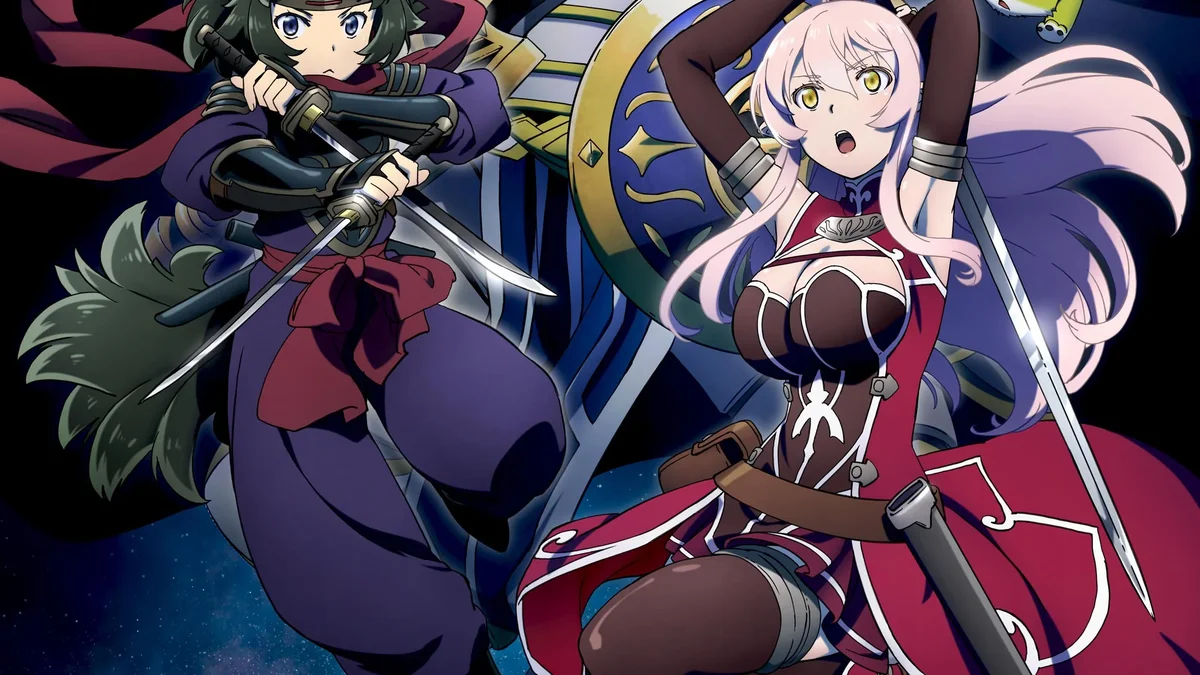
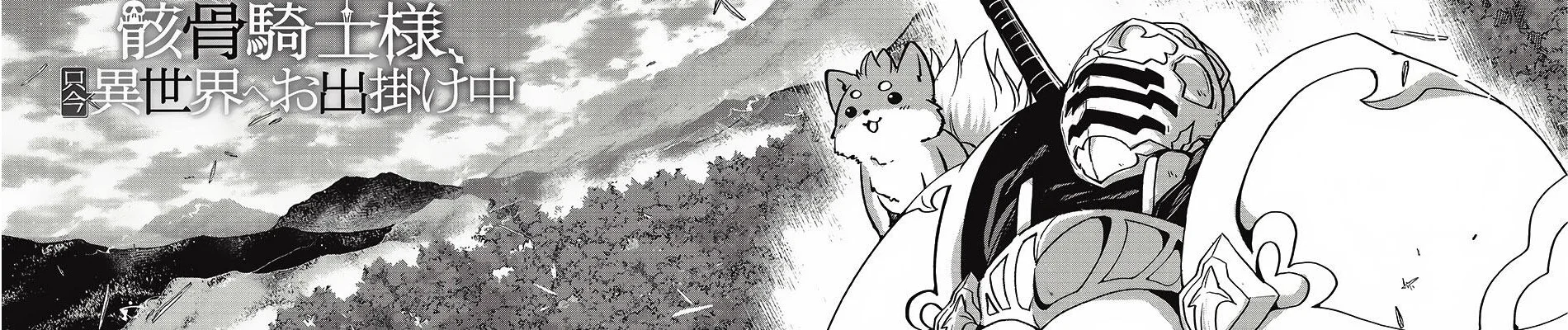
A gamer falls asleep and wakes up inside the game he was playing. Standard isekai setup. The twist: he’s stuck in his avatar’s body, which is a skeleton wearing ornate knight armor. He’s got endgame stats and OP equipment. Can’t show his face in public without causing a panic though.
The early volumes play this for comedy and it works. Arc doesn’t angst about being a skeleton. He’s more annoyed that he can’t eat at restaurants. He wanders around like a tourist, accidentally terrifying everyone he meets because he looks like a raid boss. Ponta, a spirit fox creature, rides on his head. It’s fun.
The shift happens when Arc encounters organized elf trafficking. What starts as “OP hero rescues some people” becomes an extended engagement with how this world treats its non-human races. Elves are enslaved. Beast-people are persecuted. The power structures enabling this are entrenched and have been for longer than anyone alive can remember.
Here’s what gets me. Arc’s game-breaking combat ability can win any fight, but it can’t dismantle a system. He can punch through a wall of slavers in thirty seconds and still accomplish nothing because the institution that created those slavers is bigger than any single battle. Watching him figure that out, slowly and sometimes painfully, is where the series finds its identity. Most isekai skip that realization entirely. The hero beats the bad guys and the problem is solved. This series refuses to let Arc off that easy.
How’s the Writing?
Fast. Action-forward. Not subtle at all. The prose does its job and gets out of the way, which is exactly what you want from a series that lives and dies on momentum rather than literary ambition. You’re not going to underline passages or screenshot quotes for your Instagram story. You are going to turn pages quickly though, because the chapter breaks land at exactly the right moments to make you think “okay, just one more.”
Where the writing surprises is in the contrast between Arc’s internal voice and what’s happening around him. He processes the world like a gamer — analyzing stats, evaluating equipment, categorizing threats by difficulty. The world around him doesn’t care about difficulty ratings. People are suffering for real, in ways that game mechanics can’t quantify. That dissonance creates a specific kind of tension I haven’t found in many other isekai.
The dialogue is functional. Not bad. Not memorable. Just functional. Character interactions lean on established dynamics (Arc’s obliviousness, Ariane’s determination, Chiome’s quiet competence) rather than developing them dramatically. You won’t find a scene that rewrites how you see a character the way Mushoku Tensei does every other volume. That’s the trade-off for a series that moves this fast.
If you want character-driven prose, read Mushoku Tensei. If you want propulsive action with surprising thematic depth, this scratches the itch. I burned through volumes 4 and 5 back to back because the pacing just wouldn’t let me stop, and I can count on one hand the number of isekai LNs that have done that to me past the opening volume.
Does the Cast Hold Up?
Arc is the main draw and the main limitation. His personality is entertaining but static. He’s funny in volume 1 and funny in the same way in volume 10. Growth happens in what he chooses to care about, not in how he expresses it. Whether that bothers you depends on what you’re looking for from your protagonist.
Ariane is the strongest character in the party. Her investment in the anti-slavery mission is personal and it shows. She’s not along for the ride. She’s driving it, and Arc is the weapon she needs to make progress. That dynamic is more interesting than the standard “MC collects party members” formula.
Ponta contributes nothing to the plot and everything to the reading experience. Zero narrative function. Maximum emotional value. The fanbase treats this creature like a protected species and I get it. Every time Ponta does something cute between scenes of political violence and racial persecution, it’s a pressure release valve the series desperately needs. Smart writing choice, even if it’s accidental.
Is There Romance?
Barely. Arc is a skeleton. The series acknowledges romantic tension between him and Ariane but can’t consummate it in any meaningful way because the dude doesn’t have a face. There are moments where Arc temporarily regains his human appearance and the dynamic shifts briefly. But the series wisely avoids forcing a romance that its premise makes physically impossible.
If romance is what you’re after, look elsewhere. If you’re fine with understated mutual respect that occasionally hints at something more, it’s handled well enough. The community describes it as “Oh, I like this person, and they like me, but we are so shy we aren’t going to really bring this up.” That’s accurate.
How Does It Compare to Other OP Isekai?
Better than Arifureta at handling its darker themes. Worse than Overlord at building a complex world. Somewhere around Shield Hero in terms of balancing power fantasy with systemic criticism, though Shield Hero lost me after volume 4 and Skeleton Knight maintained my interest through all of Part 1.
The closest comparison in feel is if you took Overlord’s “OP undead protagonist” concept and gave it a lighter personality but a heavier moral framework. Arc isn’t Ainz. Not even close. He doesn’t calculate or manipulate. He reacts. He sees something wrong and he hits it with a sword, and then the story asks him to reckon with the fact that hitting things with swords doesn’t fix systemic problems no matter how sharp the sword is. His reactions to witnessing real suffering are what give the series its heartbeat.
Who Should Read This?
Anyone who wants their OP isekai to have actual stakes. Not power-scaling stakes. Moral stakes. If you’ve been burned by series that promise dark themes and then pull every punch, Skeleton Knight follows through on its premise more honestly than most.
Skip it if you want literary prose, deep character development, or a finished story (Part 2 is ongoing). Skip it if the “gamer transported to game world” setup exhausts you regardless of execution. Fair. I’ve been there with other series. Fatigue is real.
But this is still isekai that earned my respect by caring about something beyond its protagonist’s power level. That’s rarer than it should be in 2026.
Season 2 drops July 6. The novels are ahead and meaningfully different from the anime. Ten volumes, quick reads, available in English from Seven Seas. If you’re going to watch S2 anyway, reading the source material first gives you the version of the story the author intended, not the version the anime decided to tell.