

This article contains affiliate links. If you buy through these links, we earn a small commission at no extra cost to you.
The “Shield Hero discourse” on Reddit follows the same script every time. Anime fan finishes Season 1. Asks if the books get better. Half the comments say yes, the other half say the whole franchise is mid and you should just move on. I’ve been watching that conversation repeat for years. And both sides are partially right.
Shield Hero is one of the better betrayal isekai ever written. Volumes 1 through 4 hit hard, land their emotional beats, and build a protagonist who earns your investment. Then something shifts around volume 5, and the series becomes a different, lesser book. That’s the honest answer. Not a mystery. Not a redemption arc. Just a series that peaked early and kept going anyway. What makes it still worth recommending is that the peak is genuinely good enough to justify the experience.
This review covers the full run: what works, what doesn’t, and who should actually read it. I’m going to be specific about the volumes because “Shield Hero gets bad” is a useless take without knowing where you’re standing when it happens.
TL;DR
The Rising of the Shield Hero light novel is worth reading. Volumes 1-4 are among the best betrayal-revenge isekai in the genre, with deeper character work and psychological texture the anime loses entirely. Quality drops noticeably after volume 4. If you can stop at the right time or push through the Spirit Tortoise arc, it’s a genuinely strong series. One Peace Books translation is functional but not polished.
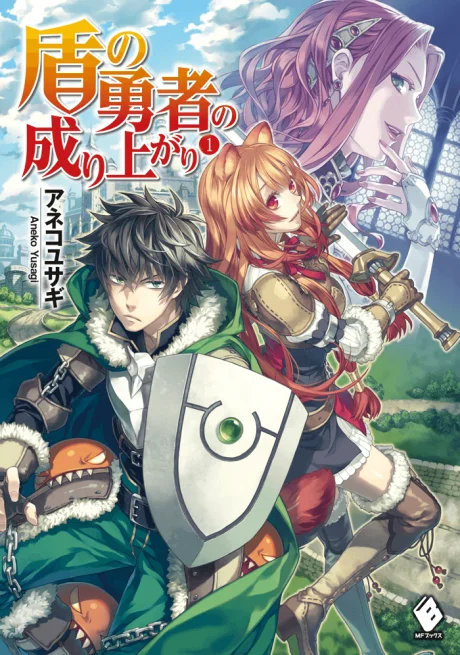
What Does the Rising of the Shield Hero Light Novel Actually Do Well?
Shield Hero’s greatest strength is Naofumi’s psychological realism. The light novel commits to his anger, his distrust, and his pettiness in ways the anime consistently softened. His internal narration builds a portrait of someone genuinely broken by his first days in the world and slowly rebuilding from a foundation of spite, not hope. Volume 1 makes that case compellingly and doesn’t flinch from the discomfort of it.
The betrayal setup in volume 1 works because Aneko Yusagi spends real time on the aftermath. It’s not “Naofumi gets falsely accused and moves on.” The book lingers. His attempts to recruit party members fail publicly. Merchants won’t sell to him at fair prices. Adventurers mock him on the street. The accumulated humiliation is what makes his eventual recovery mean something, and it’s handled with more patience than most isekai premise setups bother with.
Raphtalia’s introduction lands differently in print. The anime version rushes her arc. In the novel, you get more of her flashback grief, her early fear of Naofumi, and the gradual softening that happens because of specific moments rather than a time skip. It’s a slower build. Better for it. The moment she fully trusts him hits harder because you understand what trust costs her given what she survived before he bought her.
The world-building around the wave mechanic is also richer in the books than the anime suggests. Waves aren’t just combat events. The novels explore the political and economic disruption they cause: how villages prepare and sometimes don’t, how the kingdom manages threat response, how the other heroes’ incompetence creates downstream suffering that Naofumi has to compensate for with no resources and no goodwill from the crown. The world feels consequential. Decisions have weight that extends beyond the immediate scene.
Filo is more interesting in the original, too. The anime plays her mostly for comedy and cute factor. The books give her instincts and intelligence that make narrative sense. Her bond with Naofumi doesn’t feel like a running joke. There’s actual reasoning behind why she attached to him, and the text develops it without making it saccharine.
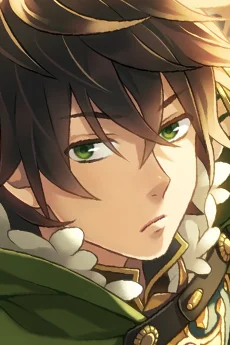
Is Naofumi Actually a Better Protagonist in the Light Novel Than the Anime?
Yes, substantially. The light novel Naofumi is angrier, pettier, and more self-aware about both qualities. He knows he’s holding grudges. He chooses to anyway. That moral complexity is mostly absent from the anime version, which smooths him into a reluctant hero within a few episodes rather than sitting with the damage for as long as the story actually demands.
His internal monologue in the first few volumes is the best thing about the series. He catches himself being unfair to people who’ve shown him only kindness. He notices when he’s projecting Myne’s betrayal onto other women. He doesn’t always correct it. That self-awareness without self-correction is more interesting writing than a protagonist who cleanly grows in the right direction at the right time. Most isekai protagonists are either pure-hearted or purely cynical. Naofumi is neither, and the books have the patience to show you why that matters.
The web novel version of Naofumi was harder-edged still, more openly hostile, more willing to use people instrumentally. The light novel finds a workable middle ground. He’s not a good person by default. He’s someone who does good things for complicated reasons. Genuine care for Raphtalia and Filo, yes. But also spite, also proving a point, also because it costs him nothing to be functional when he has no other options. That’s a character worth following.
The community response from anime-first readers who went back to the books is consistent. One reader who picked up the light novels after finishing the anime described the experience plainly: “Yes. Absolutely. Get them for the love of God. The story, characters, events, and plot are all superior.” That’s a maximalist take, but I understand the sentiment after volume 1. The anime Naofumi feels sanitized by comparison to what the text actually does with him.
Compare him to other damaged isekai protagonists who get the angry-loner treatment (Subaru from Re:Zero, Rudeus from Mushoku Tensei), Naofumi occupies a different emotional register. His anger is reactive and social rather than existential. He’s not afraid of death or failure; he’s afraid of being made to look like a fool again. That specificity is what makes the early books work as well as they do.

Where this breaks down is the later volumes. As Naofumi’s reputation improves and his trauma is partially resolved, the internal narration loses its edge. He becomes more conventional. A standard isekai protagonist with competence and goodwill. Still readable. Not as interesting. The series trades its most distinctive quality for broader accessibility, and whether that was the right call is something I’ve never fully settled on.
How Strong Are the First Four Volumes of Shield Hero?
Volumes 1-4 are the best Shield Hero has to offer, and they’re strong enough to justify the series’ reputation on their own. The betrayal setup, Naofumi’s emotional arc, the wave mechanics, and the Three Heroes Church conflict are well-paced and emotionally grounded. Volume 3, covering the Cal Mira island arc and Glass’s first appearance, is the series operating at its most confident.
Volume 1 is tight. It has a clear premise, a compelling protagonist motivation, and a supporting cast that earns time on the page. It wastes almost nothing. For isekai, a genre that routinely front-loads exposition and delays actual story by two or three volumes, that’s notable. The betrayal premise isn’t original. What Yusagi does with the execution in the aftermath is.
Volume 2 expands the world without breaking the pace. The Cal Mira island arc in volume 3 is where the action becomes genuinely exciting. Glass is introduced as a credible threat rather than a villain of the week. The implication that the wave enemies come from another world with their own summoned heroes, fighting for their world’s survival at the expense of Naofumi’s — is the kind of complication that makes you want to keep reading. Stakes that don’t simplify neatly are rare in this genre.
Volume 4 handles the Three Heroes Church properly. The conspiracy has real teeth. The Church’s ideological corruption is explored with more depth than the anime’s compressed version allowed. You understand why people believe this, not just that they do. The resolution feels earned. And Naofumi’s political situation shifts in ways that complicate the next arc rather than neatly resolving everything. Volume 4 ends in a genuinely different place than it started, which isn’t always true of mid-series volumes.

These four volumes form a clean, complete story. If you read them and stop, you’ll have experienced one of the better isekai revenge arcs in print. Not perfect. There are pacing issues in volume 2, and the other three heroes (Ren, Motoyasu, Itsuki) are better as catalysts than as characters in this stretch. But the core arc lands. For a 22-volume series, volumes 1-4 alone justify the recommendation.
Where Does the Rising of the Shield Hero Light Novel Start to Lose Steam?
Volume 5 is the transition point. The betrayal arc concludes, Naofumi’s social standing improves, and the series pivots toward a larger multi-world conflict that dilutes the personal stakes. Volumes 6-9, covering the Spirit Tortoise arc, are where most readers feel the drop, and where the anime’s catastrophic Season 2 adaptation made it easy to write off the franchise entirely based on source material that was already the weakest stretch.
The Spirit Tortoise arc has the right ideas and wrong execution. A revived ancient monster threatening the continent sounds interesting. The problem is it sidelines the character dynamics that made the early books work. Naofumi becomes a tactical piece in a larger conflict rather than a person with specific wounds driving specific decisions. The intimacy of the first arc disappears. You lose the feeling that the story is about someone in particular.
The multi-world expansion also arrives before the original cast has been fully developed. Glass and L’Arc are introduced as credible threats and interesting characters in volume 3, then the series wants to pivot to their world before it’s finished with Naofumi’s. The books can’t quite serve both ambitions simultaneously. The wider mythology gets more interesting over time, but the transition is rough.
The anime version of volumes 6-9 was notorious. It scored a 5.7 on MAL and gutted most of the source material. The light novel version is better. But not dramatically better. The bones of those volumes are a step down from what came before, and the anime’s cuts highlighted weaknesses that were already present in the original text.
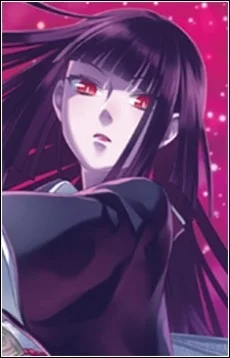
What Yusagi does well in the later volumes is build out Glass and L’Arc’s backstory. Their world, their relationship to the waves, their role as heroes fighting for a different world’s survival. The books treat them seriously as characters rather than recurring boss encounters. That’s genuinely good writing. But it doesn’t compensate for the diminished emotional core of Naofumi’s arc during this stretch.
Around volumes 10-12 the series finds its footing again. Season 3 of the anime, which adapted this material much more faithfully than Season 2, gives a sense of what the recovery looks like. But you’re asking yourself to push through several hundred pages to get there from the Spirit Tortoise low point. Whether that’s worth it depends entirely on how much you liked the characters from the first arc.
What Happens to the Supporting Cast in the Later Volumes?
The later volumes expand the cast substantially, adding characters from Glass and L’Arc’s world alongside the existing ensemble. Some of this works. Melty and Mirellia are more complex in the books than the anime suggests, and the three other heroes get genuine development by the later arcs. But the series struggles to give existing characters meaningful arcs once Naofumi’s core conflict resolves.
Melty is a better character in print. The anime uses her mostly as a plot device and political wedge. The books give her genuine agency and a personal relationship with Naofumi that develops based on specific exchanges rather than serving the narrative convenience. Her dynamic with Raphtalia also gets more space, and the tension between her royal obligations and her growing independent perspective is handled with more nuance than you’d expect from a supporting character at her position in the story.

Mirellia, the Queen, gets actual depth in volumes 4-5 that the anime compresses badly. Her political maneuvering and the weight of what happened to Naofumi under her kingdom’s watch are treated with moral seriousness. She’s not just a deus ex machina arriving to fix things. She’s complicit in the conditions that allowed the falsification to happen, and the books don’t entirely let her off the hook for that even as she works to correct it.

Raphtalia’s arc in the later volumes is complicated. The demi-human village storyline introduced around volumes 6-7 has genuine emotional potential. Her backstory (the genocide of her village, her enslavement, the way trauma shapes her relationship with freedom and belonging) gave the books laid strong groundwork in volumes 1-2. Whether the later volumes fully honor that groundwork is a fair question. The pacing issues in the Spirit Tortoise stretch hurt her development more than any other character’s.
The three other heroes (Ren, Motoyasu, Itsuki) get more development than the anime suggests across the full run. They’re still frustrating by design. But the books make them frustrating in ways that illuminate something about how game-logic thinking creates specific blind spots, rather than just making them obstructive for plot convenience. Small distinction, but meaningful, when you’re spending that many volumes with them.
How Does the One Peace Books Translation Hold Up?
One Peace Books is functional but not polished. The Shield Hero translation reads clearly, with no significant errors, no missing scenes. But compared to Yen Press or J-Novel Club releases, the prose doesn’t flow as naturally in places. Power readers probably won’t notice. Readers coming from Mushoku Tensei, Bookworm, or Re:Zero might feel the difference in craft fairly quickly.
One Peace Books is not a top-tier publisher. They do solid work but their translation polish sits noticeably below Yen Press or J-Novel Club. If those are your reference points for light novel prose, Shield Hero will feel slightly rougher in places. The dialogue reads naturally enough. The internal monologue sections, the most important parts of the early volumes, come through clearly. I haven’t seen well-sourced complaints about meaningful mistranslations affecting plot comprehension.
The physical releases are fine. Digital versions on BookWalker and Kindle are available. That’s how I read the first arc. No formatting issues worth flagging. The covers use the original Minami Seira illustrations, which are clean and expressive. Interior illustrations are included at the standard frequency for One Peace releases.
Release pace is One Peace’s bigger problem. The English edition has been slow relative to the Japanese publication, which completed at 22 main volumes. If you’re planning to read the complete series rather than just the first arc, manage expectations for the release schedule. The series is done in Japanese. In English, you’ll be waiting on the publisher rather than the author.
One note worth flagging for readers who’ve been following the series a long time: the earlier volumes had some inconsistencies in naming conventions that One Peace corrected in later printings. If you bought the very early volumes, the newer editions are cleaner. Not essential to re-buy, but worth knowing if terminology feels inconsistent across volumes.
Should You Read the Rising of the Shield Hero Light Novel?
If you watched Season 1 and liked it, the light novel is meaningfully better and worth starting from volume 1 even if you already know the story. If you hated the premise or couldn’t connect with Naofumi as a protagonist, the books won’t change that. The core character and conflict are the same; the execution is sharper. If Season 2 killed your interest in the franchise, the books deserve more credit than that adaptation earned.
The honest recommendation depends on what you want from it. If your goal is to experience the best version of Naofumi’s betrayal arc, the first four volumes deliver that better than any other format. The anime hits the major beats but loses the psychological texture. You lose something meaningful watching it instead of reading it, and that texture is what makes the protagonist worth caring about past the initial premise hook.
If you want a complete satisfying story with a clean ending, you’re looking at 22 volumes and a series that gets uneven in the middle. That’s a significant investment. The approach I’d recommend: read volumes 1-4 and decide from there. You’ll know by the end of volume 4 whether you want to push through the Spirit Tortoise arc to reach the recovery in volumes 10-12. The first four books are self-contained enough that stopping there doesn’t feel like abandoning something half-finished.
For anime-only viewers, the books give the clearest picture of who these characters actually are. Anyone who wrote off Shield Hero based on Season 2 should genuinely reconsider the source material. Volumes 6-9 are flawed but not the disaster that adaptation made them look like. The community consensus among anime-first readers who went back to the books is consistent: the source material wins, and often by a significant margin.
If you’re ready to start, pick up Volume 1 from One Peace Books. Don’t start with the manga. Don’t start with volume 2 to skip what you saw in the anime. The light novel version of volume 1 is the definitive version of this story’s opening and the internal monologue is the whole point.
If you want to compare what the anime got right and wrong before reading, I’ve covered that in detail in The Rising of the Shield Hero Light Novel vs Anime: Key Differences. And if you’re planning to read the full series including side novels and spin-offs, the Shield Hero light novel reading order guide covers the recommended sequence and what’s worth skipping.
Frequently Asked Questions: Rising of the Shield Hero Light Novel Review
How many volumes does the Rising of the Shield Hero light novel have?
The Rising of the Shield Hero light novel series has 22 main volumes in Japanese, fully completed. One Peace Books publishes the English edition. The series also has several spin-off titles including multiple manga adaptations and light novel side series following other characters in the same world.
Is the Rising of the Shield Hero light novel better than the anime?
The light novel is substantially better than the anime for the first arc (volumes 1-5). Season 2 of the anime cut 70-80% of its source material and received a 5.7 on MAL, making the books an especially clear upgrade for that section. Seasons 1 and 3 adapted more faithfully, but even those lose Naofumi’s internal monologue. That’s the most important element of what makes the early volumes work.
Where does the Rising of the Shield Hero light novel fall off?
Most readers find the series noticeably weaker starting around volume 5-6. The Spirit Tortoise arc (volumes 6-9) is the most common sticking point. It shifts focus away from the personal character dynamics that made the early books compelling. The series recovers around volumes 10-12, but you’re pushing through several hundred pages to get there from the low point.
Is the One Peace Books translation of Shield Hero worth buying?
It’s readable and complete. One Peace Books doesn’t produce the most polished translations in the market, but the Shield Hero translation is functional and doesn’t omit meaningful content. If you’re used to Yen Press or J-Novel Club releases, adjust expectations slightly. The prose is a bit rougher in places but the story comes through clearly throughout.
Can I start the Shield Hero light novel after watching all three anime seasons?
Yes. The books work well as a standalone experience even if you’ve seen all three anime seasons. The light novel adds enough internal monologue and character texture that it reads differently even when you know the plot. Volume 1 especially rewards re-experiencing in the original format. Knowing where the story goes doesn’t diminish what the book does with Naofumi’s psychology in the aftermath of the betrayal.
How does the Rising of the Shield Hero light novel compare to the original web novel?
The web novel version of Naofumi is significantly harsher and more openly hostile than the light novel version. The WN also contains a major “Other World” arc that was cut entirely from the light novel and anime. Most readers consider the light novel the superior version. It’s more polished, the characters are better balanced, and the story structure holds together better than the original serialized web novel.