

This article contains affiliate links. If you buy through these links, we earn a small commission at no extra cost to you.
Thirteen volumes and you read them in order. That’s the simple version. The complicated version is that the anime adapted the first three volumes out of order and with production quality bad enough to become a meme, so if you’re coming from the anime you’re probably confused about what actually happened in the story and whether the light novel follows the same jumbled timeline (it doesn’t, the anime just did that for some reason and nobody I’ve talked to can explain why ENGI thought it was a good idea).
The other complication is the English release situation which is, I want to say, not great. Yen On has the license and they’ve published 2 volumes in English so far out of 13 in Japanese. That’s a significant gap and it means you’re either reading fan translations for most of the series or you’re waiting years for the official release to catch up. I’ll break down all of this below cause I know the anime-to-LN transition is confusing for this series specifically.
TL;DR
- Read volumes 1 through 13 in order. The anime Season 1 (ENGI, Summer 2021, 12 episodes) adapted volumes 1-3 but rearranged the timeline and abridged content significantly. Season 2 (Fall 2026) starts from volume 4. Start at volume 1 even if you watched the anime — the adaptation was out of order and the LN’s chronological structure is how the mystery is meant to be experienced. Published by Media Factory (MF Bunko J) in Japan, licensed by Yen On in English with 2 volumes available.
What Order Do You Read the Light Novels?
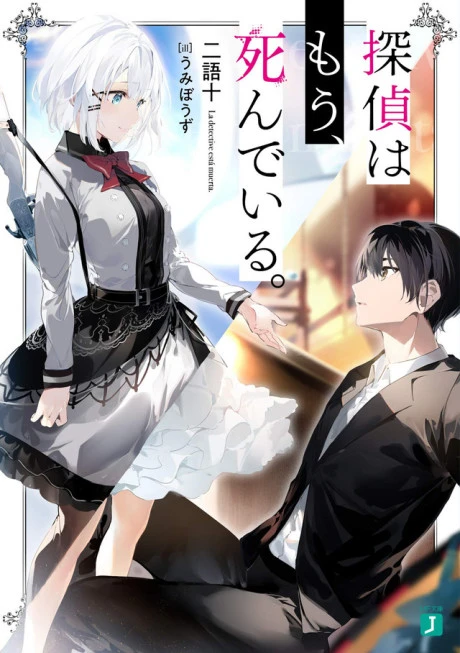
Volume 1 through 13. Sequential. The story alternates between past timeline (Kimitsuka and Siesta’s detective adventures together) and present timeline (Kimitsuka dealing with the aftermath of Siesta’s death), and the order the volumes reveal information matters for how the mystery unfolds. This is not a series where you can skip around or start at a random volume, the revelations build on each other and nigojuu structures them deliberately.
I want to say the pacing is uneven in the early volumes and I think that’s worth flagging cause it caught me off guard. Volume 1 jumps between timelines in a way that can feel disorienting if you’re not expecting it, and I remember reading the first few chapters and thinking “wait is this a flashback or is this happening now” before the structure clicked. By volume 2 the pattern makes sense and by volume 3 you’re invested enough that the timeline switching feels natural, but that initial confusion is real and I’ve seen it mentioned in basically every “should I read TanMoshi” thread on Reddit.
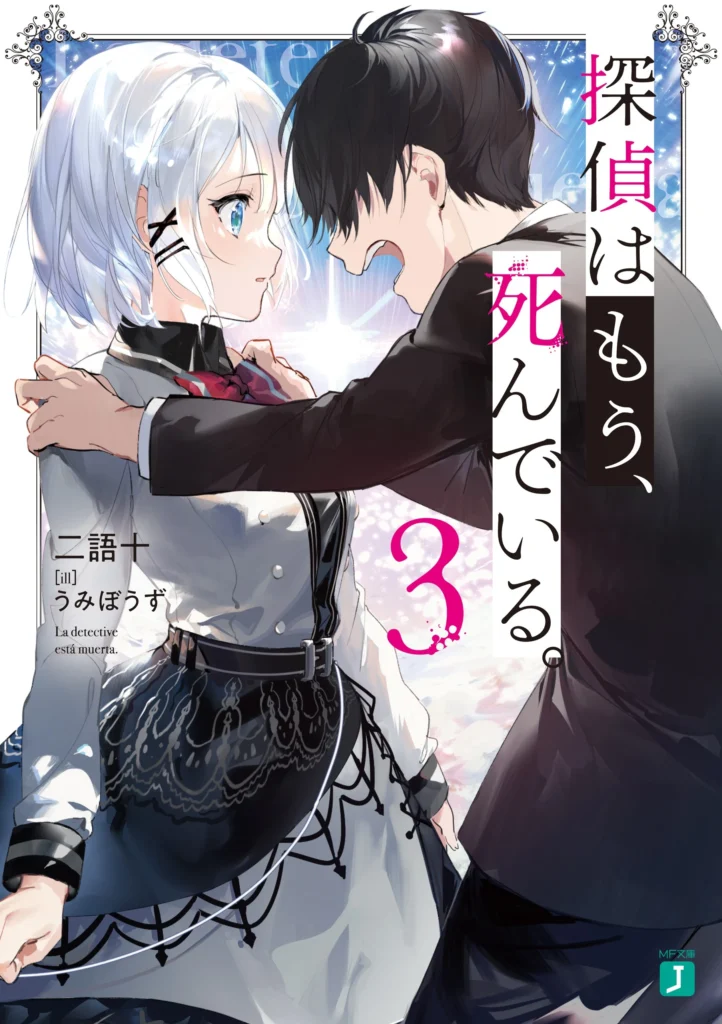
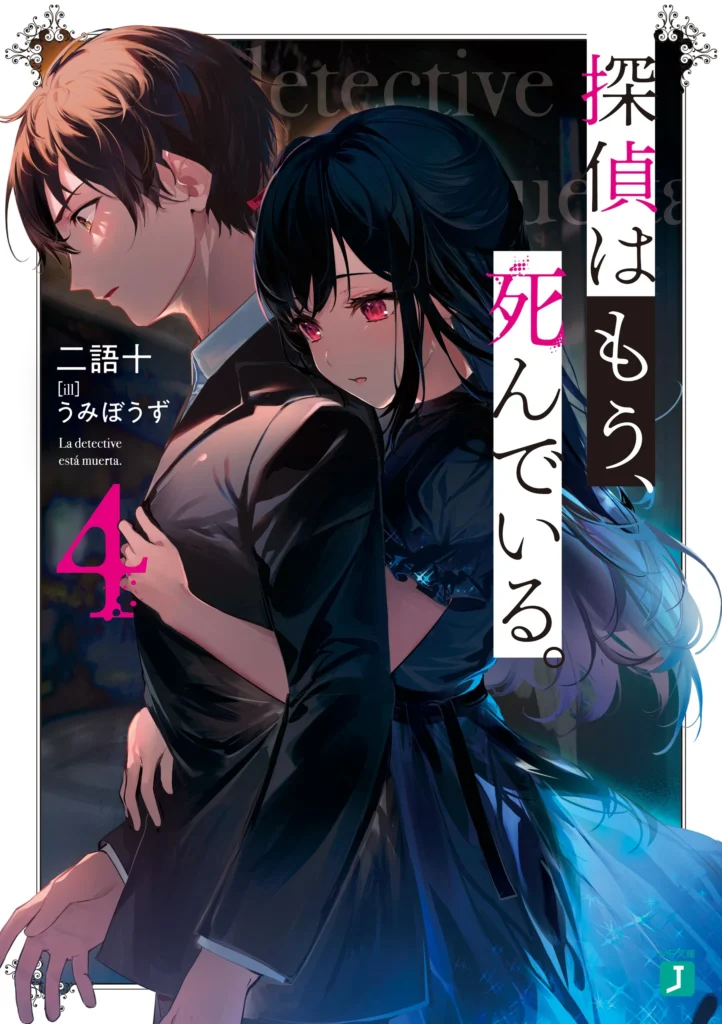
For a rough map of what you’re walking into, and I’ll keep it spoiler-light: volumes 1 through 3 are the SPES arc, which is the stretch Season 1 scrambled, and they work way better in print where the timeline jumps are deliberate instead of chaotic. Volume 4 is where most of the community agrees the series shifts up a gear, new stakes, less setup, and it’s the reason people are cautiously hopeful about Season 2 starting exactly there. Past that I’d rather not characterize arcs in detail cause the volume-to-volume surprises are kind of the product. Just know the back half is not the same story you started, in a good way.
Yen On has 2 volumes out in English. The remaining 11 are available through fan translations of varying quality. If you’re EN-only and committed to official translations, you’re looking at volumes 1 and 2 right now and then a wait that could stretch into 2027 or 2028 before you’re caught up (Yen On publishes slowly for this title and I have no idea why cause they move faster on other series).
Where Does the Anime Leave Off?
Season 1 covered volumes 1 through 3 across 12 episodes. But here’s the thing and this is important: ENGI adapted them out of order. The anime rearranged the timeline, shuffled events from different volumes together, and abridged significant sections of the story. The result was an anime that confused a lot of viewers and made the plot harder to follow than it needed to be (the MAL score of 6.44 reflects this, and honestly I think the score would be higher if ENGI had just adapted the volumes in order like a normal studio would).
Should you start at volume 4 after watching the anime?
No. Start at volume 1. I know that sounds like a pain but hear me out cause the anime’s rearrangement means you probably have an incomplete or incorrect understanding of events from volumes 1-3. The LN tells the story chronologically within each volume’s past-present structure, and the mystery reveals land differently when you experience them in the intended order. Two volumes is maybe two days of reading and you’ll get the full version of events the anime scrambled.
Season 2 premieres Fall 2026 and picks up from volume 4. ENGI is returning which, as I mentioned in the is-finished article, I have mixed feelings about. If they adapt in order this time and keep the production quality consistent then Season 2 could actually be good cause the source material from volume 4 onward is strong. Whether they will is a separate question entirely.
One practical anime-to-LN note that trips people up: a few events you saw in Season 1 don’t happen in the books the way you remember, cause the anime stitched scenes from different volumes into single episodes. So when you hit those moments in volume 1 or 2 and they play out differently, that’s not a translation issue or an alternate continuity, that’s the book being the book. I kept a running mental list of “wait, that’s not how the show did it” moments through my first read and it was honestly kind of fun, like reading the story and fact-checking the adaptation at the same time.
What About the Manga and Spin-offs?
There’s a manga adaptation that follows the LN story. Its fine as supplementary material but the mystery genre benefits heavily from internal monologue and prose pacing, both of which are lost in manga format. Read the LN first.
There’s also a spin-off called “Tantei wa mou, Shindeiru. if Gakuen Tanmoshi” which is an alternate setting school version. Its not required for the main reading order, read it after you’re caught up on the main series if you want more content. Don’t start with it cause it assumes familiarity with the characters and their relationships.
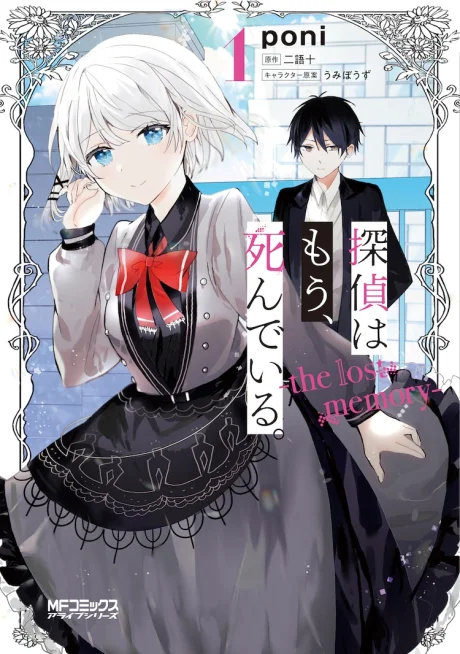
The spin-offs I’d actually point you toward are the character ones, cause the franchise has quietly built a whole shelf of them. Nagisa got Ordinary Case (two volumes, slice-of-life adjacent, works best after you know her full arc), Yui got an idol-focused one called Lovely Stage, and Charlotte got Code:RED, the newest of the bunch. There’s also The Lost Memory, a manga side story, that’s the one whose cover is floating around this article. Reading order for all of these is simple: main series first, spin-offs whenever you feel like it afterward, they’re dessert not dinner. I’ve only read part of Ordinary Case myself and it was fine, exactly what it says on the tin.
The English Release Problem
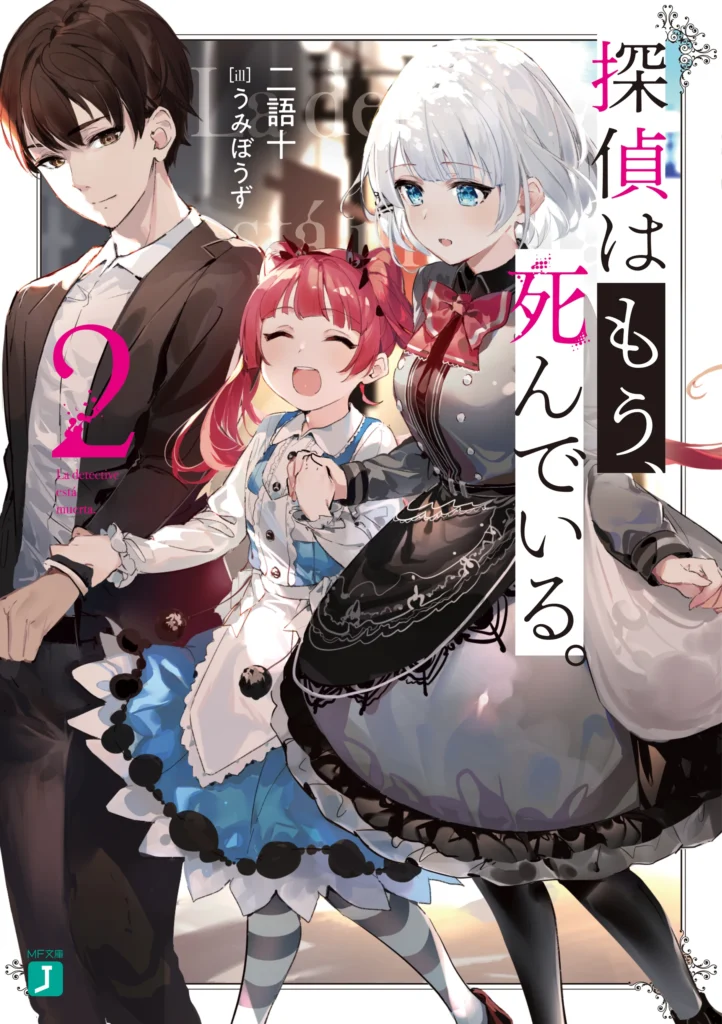
I’m going to be honest about this cause I think it’s the single biggest barrier to entry for this series right now. Two official English volumes out of thirteen Japanese volumes is a brutal gap. Yen On has the license and they publish under the Yen On imprint (not Yen Press, which is their manga label, they’re the same company but the imprints matter for understanding release schedules).
Available through:
- Amazon Kindle / physical — volumes 1-2
- BookWalker (digital)
- Barnes & Noble (physical and Nook)
- Kobo (digital)
Fan translations exist for the remaining volumes and I’ll be real, I read them cause I couldn’t wait. The quality varies, some sections are perfectly readable and others require patience and some guesswork about what the translator meant. If you can tolerate that inconsistency there’s 13 volumes of content waiting for you. If you can’t, volumes 1 and 2 will give you a solid introduction and you’ll know whether the series is worth following as Yen On catches up.
As for when official English actually catches up: at the observed pace, functionally never, and I think being honest about that is more useful than pretending. Yen On put the two volumes out something like a year apart. Thirteen volumes deep with the series still going means the gap grows faster than it closes unless the release cadence changes, and cadence changes usually only happen when an anime does numbers. Which, in a funny way, means the thing most likely to fix the English release situation is ENGI of all studios doing a good job this fall. Strange place to put your hopes, but here we are. If you want to track it, the Yen On catalog page is more reliable than release-date rumors on Reddit, which have burned me twice.
The mystery-romance-supernatural blend that TanMoshi does is genuinely hard to find in the light novel space and I think that’s what makes the EN gap so frustrating. Its not like there are five other series scratching the same itch while you wait. This one is kind of doing its own thing and if it hooks you (which it probably will by the end of volume 1, the Siesta reveal alone is worth the read) you’re going to want to keep going.
[…] EN release is at 2 volumes out of 13. I’m not going to belabor this cause I covered it in the reading order article but it’s relevant to a review recommendation: telling someone “you should read […]
[…] can skip the anime entirely and start with volume 1. I covered this in the reading order but it bears repeating here: the anime’s rearranged timeline will give you a confused version […]