

86 won the Grand Prize at the 23rd Dengeki Novel Prize. That’s the highest debut honor in the Dengeki Bunko imprint, the same publisher behind Sword Art Online and Toradora. The anime adaptation by A-1 Pictures was nominated for Anime of the Year at the Crunchyroll Awards. IGN listed it as one of the best anime of 2021.
This article contains affiliate links. If you buy through these links, we earn a small commission at no extra cost to you.
TL;DR
- 86 is the best military light novel out of Japan. Won the Grand Prize at the 23rd Dengeki Novel Prize. The anime was nominated for Anime of the Year. But the awards don’t tell you why it’s good — Asato Asato writes soldiers who feel like real people trapped in a system that needs them dead.
- 12 volumes, ongoing. Published by Yen Press. The anime covers volumes 1-3. Everything after that is LN-only.
- Not just a war story. It’s about racism, institutional betrayal, and what happens to people who are classified as expendable. The Republic isn’t cartoonishly evil — it’s bureaucratically evil, which is worse.
- Volume 1 is a complete experience. If you only read one volume, it still works as a standalone war novel.
None of that tells you what makes the series actually good. I picked up Volume 1 because the anime trailer looked like it had something to say about war that most isekai doesn’t bother with. I was right, but not for the reasons I expected. Awards committees like 86 because it’s about racism, war, and the ethics of drone combat. Readers like 86 because Asato Asato writes soldiers who feel like real people trapped inside a system that needs them dead.
The Setup
The Republic of San Magnolia has been at war with the Empire of Giad for nine years. The Republic tells its citizens the war is fought by autonomous drones. That’s the cover story. The “drones” are actually piloted by the 86 — a persecuted ethnic minority stripped of citizenship, names, and any legal status as human beings. They fight from cockpits in the 86th District. They die there. The Republic records zero casualties, and nobody asks questions.
Major Vladilena Milize gets assigned as Handler of the Spearhead Squadron. Her job: relay tactical orders through a remote neural link. She never sees them face to face. But she’s one of the only people in that military who actually believes the 86 are human. The Spearhead Squadron, for their part, has a reputation for psychologically destroying every Handler they’ve been given. So this should go great.
Their squad leader is Shinei Nouzen. He is sixteen, has survived longer than anyone in the 86th District should, and carries a box of makeshift dog tags from every comrade who didn’t.
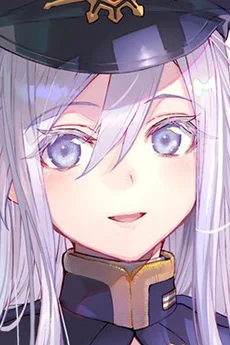
The metaphor for drone warfare and systemic dehumanization isn’t subtle, and it doesn’t try to be. What I didn’t expect was how functional the world feels around it. The propaganda is coherent. The 86 designation isn’t just a plot device — it has bureaucratic infrastructure, legal precedent, and a population that genuinely doesn’t question it. Asato Asato said real-world drone ethics were a direct inspiration. You can feel it. The horror isn’t in any single villain. It’s in paperwork.
Volumes 1-3: The San Magnolia Arc
The first three volumes are the reason people recommend the series. Volume 1 establishes the dynamic between Lena (who cares, who is complicit by nationality, who cannot fix the system from within it) and Shin (who has stopped expecting anything from Handlers, who fights because stopping means dying, who processes grief by collecting pieces of his dead friends’ machines).
Volume 2 splits the narrative. Lena fights the bureaucracy. The Spearhead Squadron prepares for what they know is a suicide mission. The Republic doesn’t intend for them to survive. The split POV is the structural key: Lena works within the system that created their death sentence. They live inside it.
Volume 3 closes the arc. The Spearhead Squadron crosses the Republic’s borders. Five survive. The ending lands because the series spent two volumes earning it, because the reader has watched from both sides of the comm link, because Lena’s guilt and Shin’s exhaustion are not resolved. They’re just relocated.
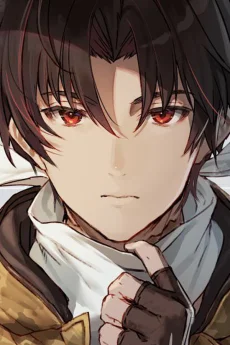
If you finish Volume 3, and you’re not invested, the series isn’t going to change your mind later. I finished it at 2 AM and immediately started Volume 4. That doesn’t happen to me often.
Volumes 4-6: The Giad Federacy Arc
Volume 4 is the quietest volume in the series and one of its best. Shin, Raiden, Theo, Anju, and Kurena are taken in by the Giad Federacy. They’re given citizenship, a home, an adoptive father in President Ernst. They’re told they never have to fight again.
None of them can stop. Volume 4 is about PTSD without calling it that. Shin wakes up before dawn. He doesn’t know what to do with a day that doesn’t include combat briefings. The Federacy gives them everything the Republic denied, and none of it fills the hole. The inability of trauma to be fixed by good circumstances is the entire point. I’ve read a lot of LNs that try to do PTSD. Most of them treat it like a character trait that gets resolved by friendship. This one doesn’t. Every conversation between Shin and Raiden in this volume carries the weight of two people who don’t know how to exist outside a war zone.
Frederica Rosenfort joins the cast here. She’s the ten-year-old former princess of the Giad Empire, sharp and perceptive, and also the tonal marker that the series is shifting: the intimacy of a found family forming, not just a military unit surviving.
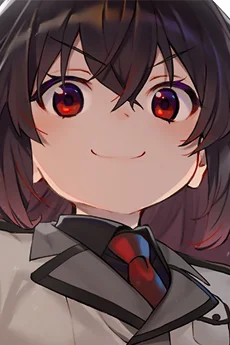
Volumes 5 and 6 ramp the military operations back up. The Nordlicht Squadron deploys against the Morpho, a massive Legion weapon. These are the action volumes, and they’re effective. But the real payoff is Volume 6’s ending: Lena and Shin meet in person for the first time.
If you’ve been reading for that moment, it delivers. Six volumes of remote connection, of knowing each other only through voice and tactical data, resolved with a physical meeting that the series earns completely. Volumes 1-6 function as a complete story. You can stop here and have a satisfying conclusion.
Volumes 7 Onward: The Larger War
This is where the series expands and where opinions start to diverge.
Volume 7 (Mist) forms the Eighty-Sixth Strike Package under Lena’s command. The war goes multinational. New nations, new enemies, new fronts. The scope becomes geopolitical. Shin’s reputation grows. The squad’s relationship with the Federacy’s military apparatus deepens.
Volumes 8 and 9 push outward. Naval operations. Coalition politics. The Legion adapts. These are solid military fiction volumes. They lack the concentrated emotional pressure of volumes 1-6 because the stakes are distributed across a wider world.
Volume 10 (Fragmental Neoteny) is a short story collection. Character vignettes, downtime moments, backstory. It’s not a main plot volume. Read it if you like the cast. Skip it if you’re reading for forward momentum.
Volumes 11-13 escalate the conflict. The Legion becomes a more existential threat. Shin’s psychological burden takes center stage. The writing stays strong. The pacing settles into a longer rhythm that some readers find less urgent than the first six volumes.
The honest assessment: the back half of 86 is good military fiction with strong character work. It is not as emotionally compressed as the first six volumes. The San Magnolia arc had a tight emotional geometry: two people, one system, one impossible situation. The later volumes have a broader canvas. That breadth is both the appeal and the cost.
Lena and Shin
The series lives or dies on this pair.
Lena starts as a naive idealist who genuinely believes she can change the Republic from within. She can’t. Volume 1 strips her idealism away layer by layer. By Volume 3, she’s not an idealist anymore. She’s someone who saw the truth, couldn’t look away, and chose to act knowing it wouldn’t be enough. Her growth across the first arc is the cleanest character arc in the series.
Shin is harder to read. He processes almost nothing externally. His grief is in what he does, not what he says: the box of dog tags, the habit of taking the most dangerous position, the way he talks about dead friends like they’re still on the roster. He’s not stoic as an aesthetic choice. He’s a teenager who learned to survive by compressing everything that isn’t tactical awareness. When the compression fails (Volume 4, specifically), the result is disorienting for him and devastating for the reader.
Their dynamic is remote for five volumes. They know each other through a neural link, through tactical calls and late-night conversations, through the gap between what Lena wants to give and what Shin is willing to accept. It’s a relationship built on distance. When the distance closes in Volume 6, the weight of everything they’ve said without seeing each other lands at once.
The romance is slow. Glacially slow. If you’re reading for romance payoff, you will wait a long time. But the foundation the series builds for the relationship is stronger than most LN romances manage, precisely because it doesn’t rush.
The Writing
Asato Asato’s prose, in Roman Lempert’s translation, is clean. The battle sequences are precise without getting tedious. What I kept noticing was restraint — the emotional moments don’t over-explain themselves. Shin does something. The book moves on. You sit with it. I’m used to LNs that spell out exactly how you should feel about a scene. 86 mostly just lets the scene be.
The translation holds up. Yen Press gets criticism for some of their other LN translations, and fair — but 86 isn’t one of the problem titles. Lempert’s English reads naturally. The military terminology lands without turning into a glossary exercise. I read all 13 volumes on Kindle and never once stumbled on phrasing.
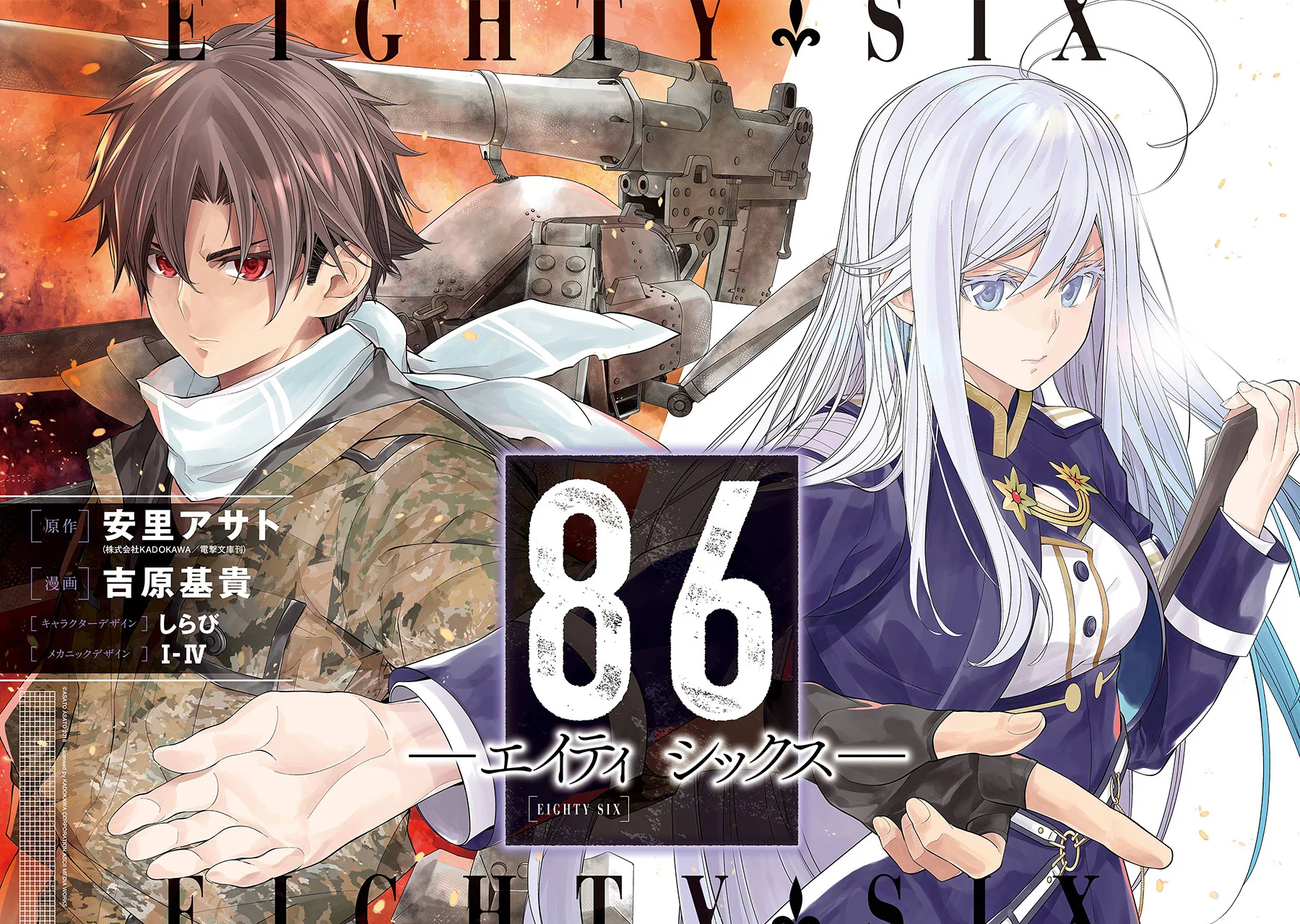
Shirabi’s illustrations deserve a mention. The character designs are distinctive — Lena’s silver hair against Republic grey, Shin’s worn expression on every early cover. The color inserts in the later volumes are genuinely good. I don’t usually stop on illustration pages, but I did here.
Who This Is For
If you watched the anime and thought it was the best thing you’d seen that year: the LN is better. I know that’s a bold claim but the r/EightySix community is emphatic about it and I agree. The anime compresses worldbuilding, internal monologue, and character interactions that the LN takes real time with. I finished the anime first and then burned through all available volumes in maybe three weeks. That’s not unusual for this series.
If you want military fiction that takes its setting seriously — the logistics, the politics, the institutional inertia. The way systems grind people down through bureaucracy rather than any single villain’s malice. I’ve compared 86 to the anime in detail elsewhere, but this is where the LN version pulls ahead hardest. You get the full weight of it.
If you can handle a slow-burn romance. Shin and Lena are worth the wait. But you need to accept that the wait is the point.
If you need constant forward plot momentum: the pacing in the back half will test you. Volumes 7-13 cover more ground at a more deliberate pace than 1-6. The emotional compression loosens. That’s not a flaw, but it changes the reading experience.
If you need lighthearted breaks between the heavy parts: 86 doesn’t really give you those. It’s not grimdark — nobody’s torturing anyone for shock value — but it stays consistently weighted. Frederica provides most of the humor, and she’s genuinely funny, but there are no comedy arcs. No beach episodes. Go in knowing that.
The Verdict
86 earns its Dengeki Grand Prize. The first six volumes are the best military drama in light novels — carried by a protagonist pair whose connection across an unjust system is the emotional engine of the entire series. The later volumes expand the scope and maintain the quality without recapturing the focused intensity of the first arc.
The anime showed people what the series could do. The LN shows what it actually does, in full, without compression. If the anime moved you, the source material will move you more. And honestly? This sits alongside Re:Zero and Mushoku Tensei in my personal top tier. Different reasons for each, but the same level of “I’m going to think about this for a while after I put it down.”
14 volumes in Japanese, 13 in English via Yen Press. Series ongoing. Start at Volume 1.
More on this series: 86 reading order | is 86 finished
FAQ
Is the 86 light novel worth reading?
Yes. The first six volumes are a complete story on their own — emotionally brutal, well-paced, and they stick with you. The later volumes keep the quality up but spread the stakes wider. If the anime got you, the LN will hit harder. It’s not even close for me.
Is 86 better as a light novel or anime?
LN for depth, anime for visual impact — that’s the general consensus and I’d mostly agree. A-1 did genuinely good work with the split-screen Lena/Shin sequences and the color symbolism. But the internal monologue in the LN, especially Shin’s in Volume 4, is impossible to adapt. You just don’t get it the same way on screen. Read both if you can. Start wherever.
Does 86 have romance?
Yes, between Shin and Lena. It is extremely slow-burn. They don’t meet in person until Volume 6. The romantic development is present but secondary to the war narrative for most of the series. If romance is your primary motivator, set expectations accordingly.
What is 86 about thematically?
Systemic racism, the ethics of unmanned warfare, what happens to soldiers after they’re used up, and whether individuals can change institutions they benefit from. The author has cited real-world drone warfare ethics as a direct inspiration.
How does 86 compare to Attack on Titan?
Both feature a persecuted group fighting against a larger threat while discovering the true nature of their world. 86 is more politically grounded (the racism is institutional, not fantastical). AoT goes bigger on action and mythology. 86 goes deeper on character and the mundane reality of being expendable.
Is the 86 translation good?
Yes. Roman Lempert’s translation reads naturally and handles the military terminology without it feeling like a tech manual. My usual complaint with Yen Press is stiff phrasing — this isn’t that. It’s one of their better titles.