
Dear Friend is a theatrical film that opens in Japan on October 16, adapting volumes 14 and 15, the final two books of the Rascal Does Not Dream series. This is the ending, the actual definitive end of a story that started all the way back in 2014, not another stopping point dressed up as one. If you’re deciding what to read beforehand, its volumes 14 and 15. The rest of this post is about why this release is a bigger deal than the quiet announcement cycle suggested.
I’ll say the personal part upfront: I did not expect to feel much about this one and I’ve been proven wrong just by writing the outline of this post. This franchise has been running in the background of my whole reading life, seasons and films arriving every couple years like weather. The idea that there’s a last one is taking a minute to process.
What Dear Friend actually is
A movie, first of all, which keeps genuinely confusing people cause the franchise alternates between TV seasons and films depending on the material’s shape, and the seasonal listings this fall had it sitting next to TV premieres like it was one of them. It’s not. October 16 is a Japanese theatrical release, with an advance screening earlier in the month. If past films are the pattern, international screenings follow somewhere behind with the home release behind that. Plan your spoiler avoidance accordingly, cause the JP-side discussion will be full of ending talk while the rest of the world waits.
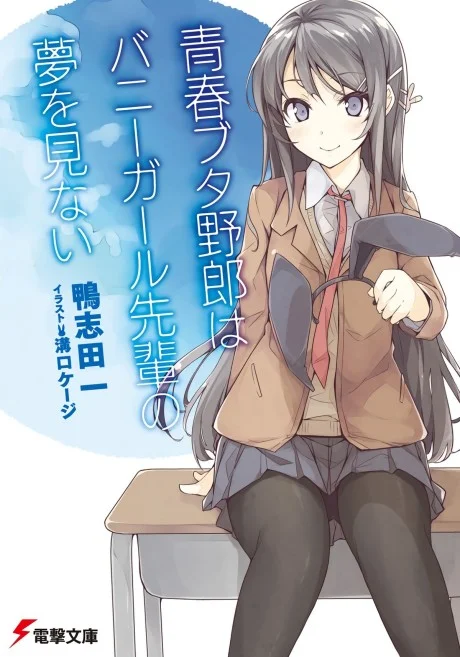
The material is volumes 14 and 15. Volume 15 is literally subtitled Dear Friend, its the last book Kamoshida wrote for the series. The film taking that title tells you the production knows exactly what it’s carrying. The reading order maps the whole series if you need the full picture of how fifteen volumes’ worth of seasons and films fit together, a structure I have described as genuinely confusing and stand by.
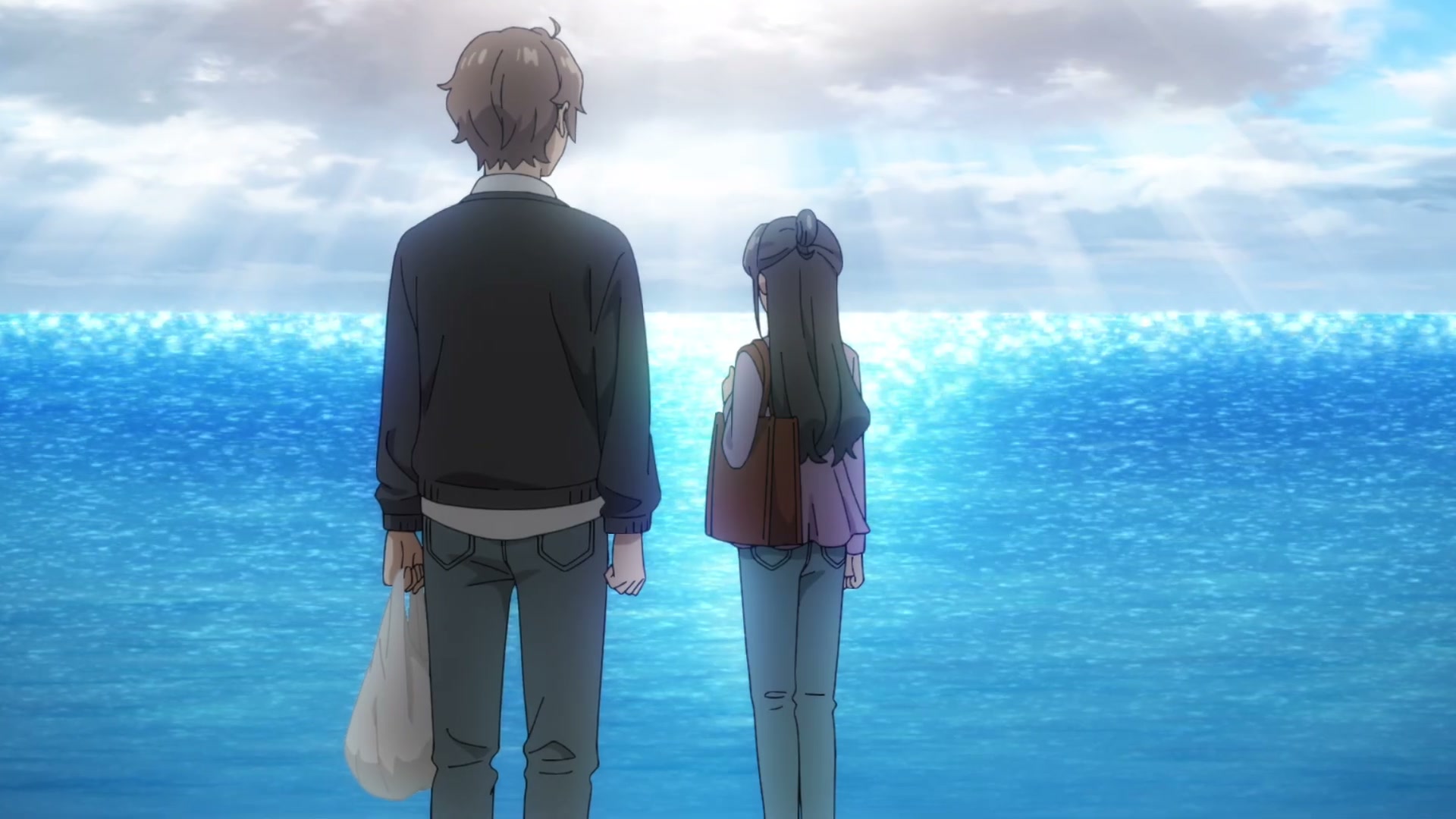
For the people who lost the thread somewhere in the franchise’s weird release structure, the short history: the 2018 TV series covered the first five books. Dreaming Girl was 6 and 7, and that’s the one I actually saw in a theater. Then the two films with the Kaede and Shoko material, which I have never once been able to put in the right order and am not going to look up now. The university arc went back to TV, Santa Claus season last summer. Fourteen volumes down by the end of that. Dear Friend closes the remaining gap in one movie. I had to sketch this timeline on paper once for a friend who wanted to start the series and the paper ended up looking like a subway map, but the underlying order is just the books, one after another, which is the only fact you actually need.
Why a complete adaptation is a small miracle
Here’s the frame that made me sit up while prepping this post. Light novel adaptations do not finish. That’s close to a law of the medium. The anime exists to sell books, the books outrun the anime, the anime stops, then readers spend the rest of their lives explaining to anime-only friends that no, the story kept going, the show just left. I’ve built a whole standing grudge collection out of this pattern, No Game No Life will never finish anything and I’ve made peace with approximately none of that.
Rascal is about to be the exception, every arc adapted in order across seasons and films, all the way to the final volume, with no gaps and nothing quietly abandoned along the way. I tried to think of another major LN franchise that got a complete and faithful start-to-finish adaptation of a concluded series, spent an entire lunch on it, and the list I came up with was extremely short and mostly arguable. This is the thing fandoms ask for and never get, and it’s happening with weirdly little fanfare, possibly cause the franchise has been so reliable for so long that nobody noticed reliability compounding into something rare.
What to read before October 16
Volumes 14 and 15, if you’re a read-first person. Last time that advice is ever current. Weird to type. Both are out in English from Yen Press along with the rest of the series, the translation caught up ages ago and has been waiting patiently for the anime ever since. If you’ve been watching the adaptations without reading, you’re genuinely fine walking in cold, this franchise has earned the trust, the films have been faithful to a fault since Dreaming Girl.
The middle path, and the one I’d actually push: if you read the early books years ago during the S1 era and drifted to anime-only, which I suspect describes half this fandom, volume 14 is worth the reread-adjacent effort cause the finale material leans on threads from deep in the series, and the books re-establish them with more patience than a film runtime can afford. I did my own catch-up in August, 13 through 15 across a slow week. I’m not going to describe the ending beyond saying I don’t trust myself not to oversell it. It landed for me at 1am on a work night, which maybe isn’t a fair test, but it’s the one I gave it.
The retrospective I’m not writing yet
There’s a proper full series retrospective to be written here after the film comes out, the kind of post where I go back through what this franchise did for the adolescence-syndrome premise and why its quiet realism outlasted flashier contemporaries, and I’m deliberately not writing it now cause it would be a eulogy for something that isn’t dead yet. The books are done, the film isn’t out, and there’s a version of October where I watch Dear Friend and need to revise whatever I would have written today anyway.
What I will commit to right now is something smaller. This series never had a bad adaptation. Across a TV series plus multiple films and seasons spanning nearly a decade of production, the floor never dropped, and in a hobby where I maintain a literal mental list of adaptation disasters, that consistency is the thing I’ll remember. The review covers why the books deserve that care. For the small things even good adaptations lose, there’s the comparison post.

The October problem, one more time
Dear Friend lands at the tail of the most crowded month I’ve ever covered, after the premiere pileup I mapped in the season guide, and a theatrical release in Japan means most of us aren’t even watching it that week, we’re dodging spoilers from it. My plan is to mute some keywords on the 16th and read volume 15 again instead. Did the same for the Dreaming Girl ending and one screenshot got through anyway. The group chat knows what it did.
If the ending discourse pulls you toward the books before you can see the film, honestly, let it. The novels were always the primary text here. Fifteen volumes, complete and translated, consistently good in an unshowy way that made them easy to underrate for most of a decade. The film will still be there whenever it finally crosses the ocean. The books are here right now, and for once in this hobby, every single one of them.