

I went into Sentenced to Be a Hero expecting another dark fantasy with a gimmick. The gimmick being: heroes are criminals. Faeries are monsters. Goddesses are weapons of mass destruction. The whole genre-inversion pitch that sounds clever in a synopsis but usually runs out of steam by volume 3 once the novelty wears off.
Seven volumes later, the novelty hasn’t worn off. And that’s not because the premise keeps surprising you. It’s because the premise was never the actual selling point. The selling point is a found family of convicted criminals slowly becoming people who’d die for each other while the world they live in keeps trying to grind them down. The dark fantasy setting is the stage. The relationships are the show.
TL;DR
Sentenced to Be a Hero earns its MAL 8.15 anime score and its breakout trending status. The premise is genuinely creative. The action is sharp. The character dynamics carry the story harder than any power system or world-building conceit. Xylo is a better protagonist than he has any right to be, and the supporting cast — especially Norgalle and Teoritta — elevate every arc they’re in. The writing has rough edges. Some exposition dumps slow the pacing. But the emotional payoffs are real and earned. Read it if you want dark fantasy that actually cares about its characters. Skip it if you need polished prose more than raw storytelling.
What’s the Premise?
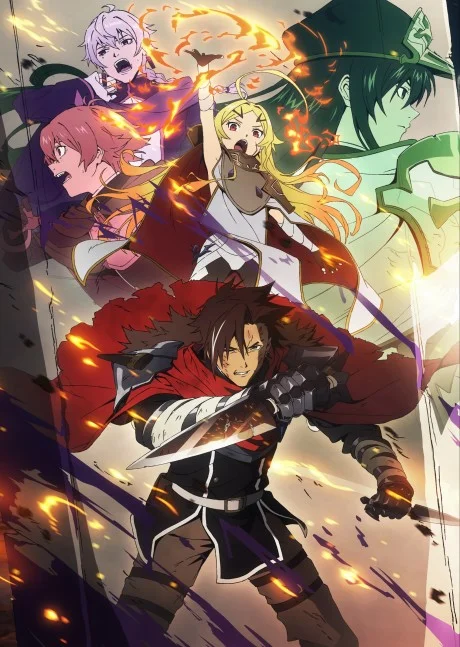
In this world, “hero” isn’t a title you earn. It’s a sentence you serve. Convicted criminals — murderers, traitors, people who broke the laws of gods and nations — are conscripted into Penal Hero Units and sent on missions that are functionally suicide runs against monsters the regular military won’t touch. You fight. You probably die. If you survive enough missions, maybe you serve out your sentence. Most don’t.
Xylo Forbartz is the leader of Penal Hero Unit 9004. His crime: murdering a goddess. The story opens with him already convicted, already serving, already deep enough into the system to understand exactly how broken it is. He’s not an idealist. He’s not on a redemption arc in the traditional sense. He’s a guy who did something the story slowly reveals was more complicated than “man kills god,” trying to keep a squad of equally complicated criminals alive long enough to matter.
The genre inversions aren’t just vocabulary swaps. Faeries in this world are genuine threats — monstrous, dangerous, operating on logic that doesn’t map to human morality. Goddesses are classified like weapons of mass destruction, and the story treats that classification with the bureaucratic seriousness of actual military documentation. The institutional weight behind the penal hero system feels real because the author builds it with procedural detail rather than handwaving.
Xylo Is the Right Kind of Protagonist for This Story
Here’s what I didn’t expect: Xylo is genuinely compelling. Not in the overpowered-badass way that most dark fantasy protagonists default to. He’s competent. Clearly strong. But the story doesn’t make his strength the interesting part. What makes him work is that he’s a person carrying something heavy who channels that weight into protecting other people instead of wallowing in it.
The goddess murder hangs over everything. The novels drip-feed you the details of what happened and why. It’s not played for mystery-box nonsense where the reveal gets endlessly delayed. You learn things at a steady pace, and each revelation reframes what you thought you knew about Xylo and the world he operates in. By volume 4, your understanding of the opening chapter is fundamentally different from when you first read it.
His relationship with Teoritta is the emotional anchor. She’s basically his adopted daughter by circumstance, and the community wasn’t wrong when they joked that Xylo’s real punishment is single fatherhood. But the dynamic works because neither character is simple. Teoritta isn’t a helpless child for Xylo to protect. Xylo isn’t a stoic dad who softens gradually. They’re both damaged people figuring out what family means in a world that uses people like ammunition.
The Supporting Cast Actually Supports
Unit 9004 isn’t just Xylo’s backup. The squad members are developed enough that you’d read a spinoff about any of them. Norgalle earned fan-favorite status from the anime’s first episode for a reason — his “sacrifice a limb to win the fight” moment is raw in exactly the way this genre promises but rarely delivers. He fights with a recklessness that reads as either suicidal bravery or someone who genuinely doesn’t value their own survival, and the novels eventually tell you which one it is.
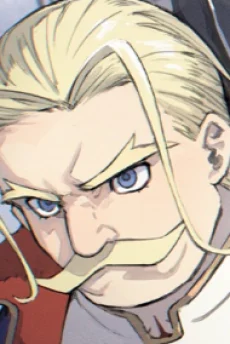
Patausche brings a different energy. She’s sharp, practical, and operates as the squad’s moral compass in a story where morality is deliberately murky. Her dynamic with Xylo has tension that the novels handle with more subtlety than I expected. She sees through his deflections in ways the other squad members don’t.

Frenci rounds out the core group with comic relief that doesn’t undercut the serious moments. Light novel comedy in dark fantasy settings is hard to calibrate — go too far and you kill the tension, hold back and the characters feel one-note. Frenci sits in the right zone. Funny when the story needs breathing room, serious when the stakes demand it.
The fact that every member of Unit 9004 is a convicted criminal creates group dynamics you don’t get in standard fantasy parties. Nobody trusts anyone at first. Camaraderie develops through shared survival, not shared ideals. When these characters eventually put their lives on the line for each other, it lands because you watched the trust get built brick by brick across multiple volumes.
The World-Building Does Something Specific
A lot of dark fantasy series create grim worlds and leave it at that. Sentenced to Be a Hero builds a world that’s grim for specific, institutional reasons. The penal hero system exists because someone benefits from it. The church has objectives that require expendable soldiers. The classification of goddesses as weapons implies a bureaucracy that’s been studying and quantifying divine beings for long enough to create standardized threat assessments.
This matters because it means the world-building isn’t just atmosphere. It’s plot machinery. Every revelation about how the system works opens new questions about who designed it and why. By the middle volumes, you’re reading a political story wrapped in a dark fantasy skin, and the institutional criticism hits harder because the fantasy elements make the power dynamics visible in ways realistic fiction has to work harder to achieve.
The downside: some of this institutional exposition comes in dumps that slow the pacing. Kamaru Takamine (the author) clearly cares about the procedural reality of the penal hero system, and sometimes that care manifests as paragraphs of worldbuilding where you’d rather have character interaction. It’s not a dealbreaker, but it’s noticeable. The anime wisely trimmed most of this for pacing. The novels give you the full picture at the cost of occasional drag.
The Action Is Better Than Expected
Fight scenes in light novels are hit or miss. Some authors write action that reads like stage directions. Others write it with enough kineticism that you forget you’re reading instead of watching. Sentenced to Be a Hero falls closer to the second category. The fights are physical. You feel the impact. Characters get hurt in ways that have consequences beyond the current scene.
The Unlimited Blade Works comparisons from the anime community aren’t unearned. There’s a visual ambition to the fight choreography that translates surprisingly well to prose. Xylo’s combat style is tactical rather than overwhelming — he’s strong, but he’s fighting threats that should kill him, and the novels give you his real-time threat assessment during engagements. You understand what he’s doing, why he’s doing it, and what happens if he gets it wrong.
The faerie encounters are particularly well-written. Because faeries in this world operate on non-human logic, the fights feel genuinely alien. You can’t predict them the way you’d predict a human villain’s strategy. The author uses that unpredictability to create tension that doesn’t rely on power levels or transformation sequences — just the fundamental wrongness of creatures that don’t think like you do.
What Doesn’t Work
The prose is functional. Not bad. Not elegant. Kakeru Takamine writes clear, readable sentences that get the story told without any particular stylistic flair. If you’re coming from authors like NisiOisin or the Violet Evergarden source material, the writing quality gap will be noticeable. This is a story carried by ideas and characters, not by language.
The web novel origins show in places. Some early plot structures feel like they were designed for chapter-by-chapter serialization rather than volume-length arcs. The light novel revisions smooth most of this out, but occasionally you can feel the seams — a cliffhanger that was clearly written for a weekly update format, a resolution that comes slightly too quickly because the web version needed to wrap before the next arc started.
And the series is ongoing at seven volumes with no announced ending. If you need closure before investing in a series, this isn’t there yet. The web novel’s 153-chapter hiatus means you can’t even read ahead to find out how it ends. You’re committing to an unfinished story with a strong trajectory but no guaranteed landing.
How Does the Anime Compare?
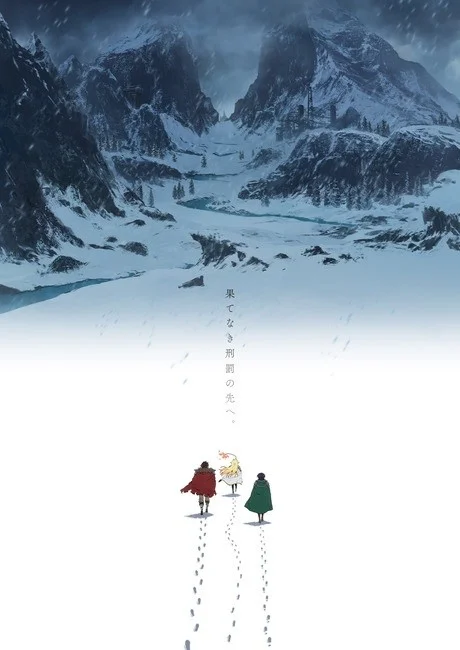
Season 1 is a faithful adaptation. It covers volumes 1-2 in 12 episodes with pacing that respects the source material. The animation quality impressed viewers — the action sequences drew Fate-level comparisons — and the voice cast elevated the character dynamics. If you watched the anime and liked it, the novels give you more of what worked. More of Xylo’s internal reasoning. More squad dynamics. More world-building detail.
Where the novels pull ahead is in Xylo’s headspace. The anime conveys his competence through visual storytelling. The novels give you his actual thought process — the calculations during fights, the weight of his history with the goddess, the deliberate choices he makes about how to handle each squad member. It’s a different experience, and a deeper one.
Should You Read It?
Yes. With the caveat that you’re signing up for an ongoing series with rough-around-the-edges prose and an ending that doesn’t exist yet.
What you get in return: a fantasy world that earns its darkness through institutional logic rather than gratuitous violence. A protagonist who’s genuinely interesting rather than generically cool. A found-family dynamic that develops through shared survival instead of forced bonding scenes. Action that hits with consequence. Supporting characters you’ll actually remember by name.
Seven volumes is a quick read. The anime covered two of them in a single season. Start there if you want a taste. Start with volume 1 if you want the full experience. And start with volume 3 if you’ve already watched the anime and can’t wait to see what comes next. Any of those entry points will tell you within a few hours whether this series is for you.
FAQ
Q: Is this too dark for casual readers?
A: It’s dark but not grimdark. The found-family elements balance the violence. Think Goblin Slayer‘s world with more emotional warmth between the characters.
Q: Should I read the light novel or the web novel?
A: Light novel. It’s the definitive version with significant revisions. The web novel is on hiatus and rougher.
Q: How does it compare to other dark fantasy light novels?
A: Darker than Konosuba, warmer than Goblin Slayer, more character-driven than Overlord. Closest comparison might be Torture Princess in tone but with better squad dynamics.
Q: Is seven volumes enough to judge the series?
A: Yes. The character dynamics and world-building are fully established by volume 3. If you’re not invested by then, the later volumes won’t change your mind.
Q: Do I need to watch the anime first?
A: No, but it’s a good entry point. Season 1 is faithful and the animation quality adds to the action scenes. Start at volume 3 afterward if you want to continue in the novels.