

The one-line version: light novels are prose books with a handful of illustrations, manga is sequential art, and the practical differences that follow from that, reading speed, cost per hour, interiority, release pace, matter more than the format war anyone wants to have about it. I wrote a bigger comparison years ago that also covers manhwa and webtoons, and it still gets read daily, but the question people actually type into search is the two-way one, so this is the focused answer to that.
For context on where I sit: I read light novels primarily and have for a decade, but there’s a manga shelf in this apartment that keeps growing anyway, and a few series where I’ve quietly decided the manga is the version I follow. So this isn’t a format loyalty post. It’s the decision framework I actually use, written down.
What each format actually is
A light novel is a Japanese prose novel, usually somewhere around 300 pages, with a handful of illustrations scattered through it, published fast and serialized long. If you can read a regular novel you can read a light novel, the “light” refers to the reading experience and the page count, not the content. I’ve got a whole explainer on the format if you want the deep version.
Manga you already know. Sequential art, right to left, dialogue and image doing the storytelling work together. A volume collects somewhere around 180 to 200 pages of panels and reads in, what, twenty to forty minutes depending on how dense the paneling is and how much you linger.
An LN volume takes me five hours, I’ve timed it, I’m not fast. A manga volume is a lunch break. Same shelf price, give or take a couple dollars, and that gap is quietly behind most of what follows.

Where the formats actually differ
Interiority is the big one, and it’s the reason I default to novels. Prose lives inside a character’s head. A light novel gives you the narrator’s reasoning, their rationalizations, the gap between what they say and what they think, and whole genres run on that gap. Every comparison article I write about a specific series ends up saying some version of “the anime lost the internal monologue,” and the manga version usually loses it too, cause thought bubbles and caption boxes can only carry so much before the page drowns.
Manga’s answer is that a single drawn panel can do things prose spends two pages failing to do. Action, comedy timing, a character’s whole deal communicated in one face. There are series I’d only recommend as manga for exactly this reason. Nothing about a fight scene is improved by prose, I’ve read hundreds of them and retained maybe six.
Density cuts the other way than people expect. Because manga reads fast, a story adapted from novels compresses hard, a 300-page novel becomes maybe two or three manga volumes of actual content, and stuff gets cut, usually the interiority and the connective reasoning. So the manga of a novel series is almost always the abridged version, which is fine as long as you know that going in, and a lot of people don’t, they find out three volumes deep when a subplot they liked just never shows up.
The adaptation chain problem
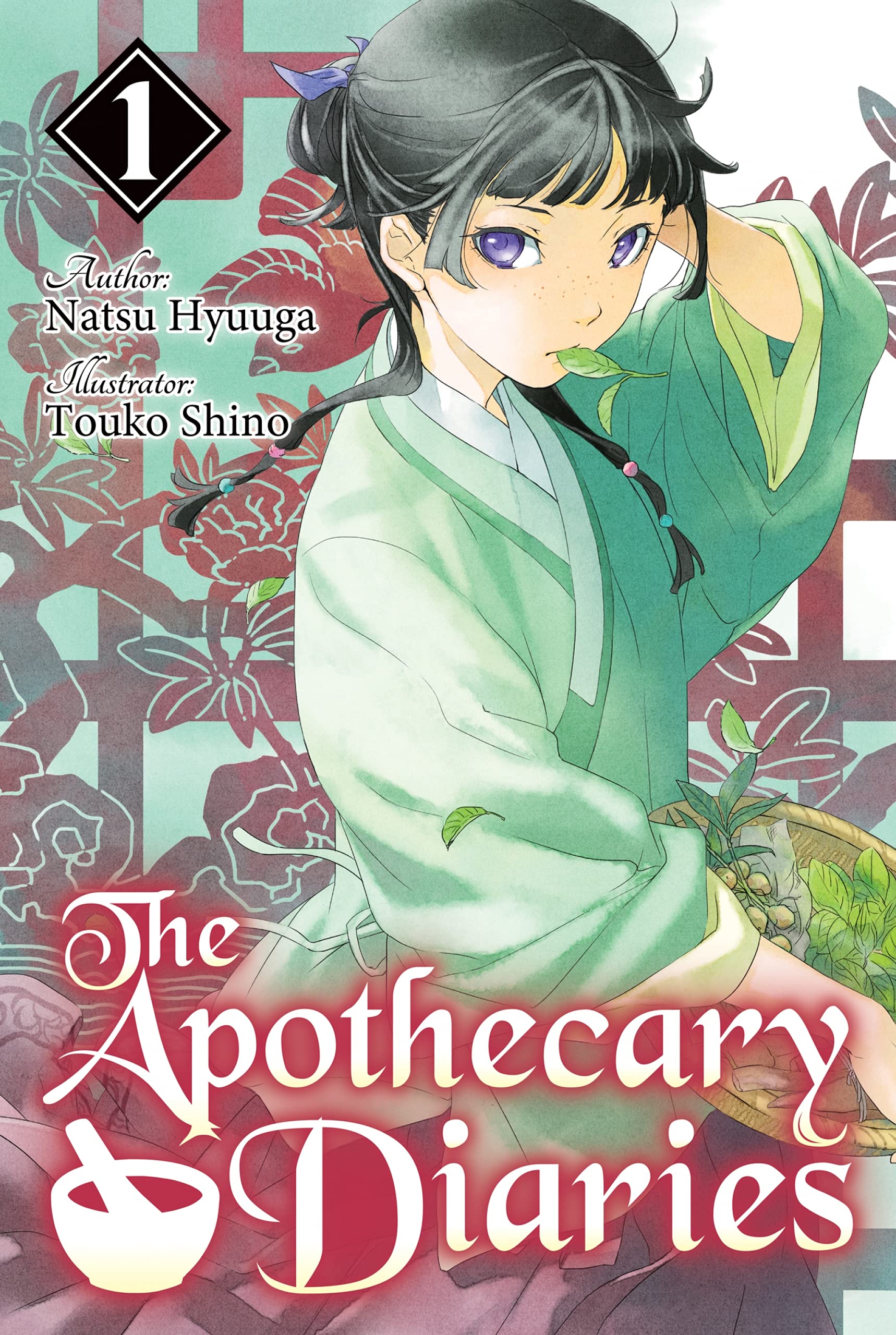
Here’s the thing that trips up more buyers than any other, and I’ve watched it happen at a bookstore in real time: for most of the series this site covers, the light novel is the original and the manga is an adaptation of it, running years behind, made by a different artist, sometimes at a different publisher. Apothecary Diaries famously has two separate manga adaptations running in parallel. Overlord‘s manga trails the novels by a huge distance. The World’s Finest Assassin’s manga is retreading material the novels covered years ago.
I assumed the opposite when I started out, for what it’s worth. Manga was the format I knew, so I figured manga was always the source and novels were the spinoff, and I want to say it was Overlord that finally corrected me, sometime around 2017, when I went looking for “the rest” of the manga and found out the rest was a novel. Reversed assumption, whole hobby unlocked. Anyway.
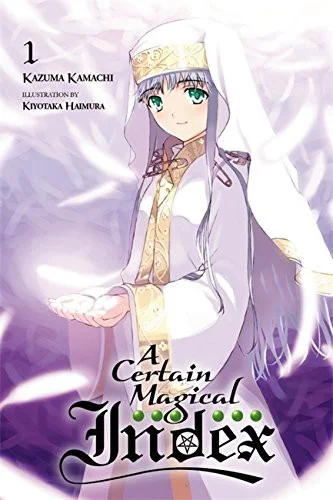
The rule of thumb: check what the original is before you commit to a format. If the story started as a light novel or web novel, the novels are ahead, full stop, and the manga will never catch them. If it started as manga, the reverse. The rule has broken on me exactly once, with a series where the web novel and the published LN had forked hard enough that “ahead” stopped meaning anything, but for the overwhelming majority of series it holds, and it’s also the answer to “how does the story continue past the anime.”
The cost and speed math
Nobody talks about this part honestly, so let me. A light novel and a manga volume both cost somewhere in the low-to-mid teens in print. The LN gives me five-ish hours of reading, the manga gives me thirty minutes. On a per-hour basis the novel wins by a mile, it’s one of the cheapest entertainment formats I know of, and I say this as someone who tracks his hobby spending in a way my friends find alarming.
But per-hour isn’t the only math. Catching up on a 20-volume manga series is a couple of fun weekends. Catching up on a 20-volume novel series is a season of your life. When people ask how to get current on some long-running series before an anime airs, the honest answer is sometimes “the manga, cause you’ll actually finish it.” Format choice is partly a time-budget question and pretending otherwise is how people end up with aspirational bookshelves. I own aspirational shelves. I know. There’s a stack by my desk right now that I bought during a sale in the spring with complete sincerity, and we both know how that’s going, the stack and I have an understanding.
How I actually choose, series by series
My real decision process, which took years to admit to myself: I go novel-first when the appeal is a character’s head or a complicated plot, and manga-first when the appeal is visual or comedic. There are exceptions I can’t fully defend, I follow one cooking manga whose novel version I’ve never even checked exists, and I read the Bookworm novels despite the manga being right there and shorter, cause some series just arrive in your life in a format and stay that way. Mystery and strategy series, novels, no contest. Slice-of-life comedy where the timing is the joke, honestly often the manga. Action series, depends whether the fights are choreography (manga) or logistics (novels).
And sometimes the deciding factor is nothing high-minded at all, its just which version my local store happened to have in stock the day I walked in.
If your version of this question includes manhwa and webtoons, the three-way comparison covers that side, including the vertical-scroll format stuff I didn’t repeat here. And if you’re LN-curious and don’t know where to start, the manga readers’ starter guide was written for exactly you.