

DanMachi has five anime seasons, 74 episodes, three OVAs, and a movie. That’s more adaptation than most light novels ever get. And J.C.Staff did a decent job with most of it. But “decent” is the problem. The light novel does things the anime can’t, and some of what gets cut changes how you understand the story.
This article contains affiliate links. If you buy through these links, we earn a small commission at no extra cost to you.
TL;DR
- Five seasons, 74 episodes, and J.C.Staff did a decent job. “Decent” is the problem. The light novel does things the anime can’t, and some cuts change how you understand the story.
- Volume 14 is the biggest gap. The Xenos arc payoff — the anime gave you maybe 40% of what makes it work in the LN.
- Bell’s internal growth gets compressed. The anime shows you a kid getting stronger. The LN shows you why each step matters to him personally.
- 19 main volumes + Sword Oratoria, ongoing. The anime covers roughly Vols 1-14. Start from Vol 1 or pick up at 15.
I watched the anime first. Same thing happened to me with Re:Zero and Overlord — I covered those comparisons already — but DanMachi was the one where Season 2 specifically frustrated me enough to pick up the books. The difference was immediate. Bell Cranel is a better character on the page. The Dungeon is scarier. The gods are more interesting. And entire arcs that the anime compressed into a few episodes get room to breathe.
Here’s what each season changes, what it cuts, and whether the light novel is worth reading if you’ve already watched everything.
More about DanMachi
Season 1 (Volumes 1-5): Faithful but Rushed
Season 1 covers five volumes in 13 episodes. That’s aggressive pacing for any light novel adaptation. The plot beats are all there, but the connective tissue gets stripped.

Bell’s internal monologue is the biggest loss. In the anime, he comes across as a generic nice-guy protagonist who gets stronger through determination. In the LN, you’re inside his head. You feel how terrified he is of the Dungeon. You understand why he’s obsessed with Ais. His growth from a scared rookie to someone who can face a Minotaur alone hits harder when you’ve been reading his thoughts for five volumes.
The Hestia Knife reveal in Volume 2 has more weight in the LN. The anime rushes past it. In the book, Hephaestus’s reluctance and Hestia’s desperation to give Bell something that matters are developed across multiple scenes. By the time he gets the knife, you understand what it cost.
Volume 5’s Wargame arc gets compressed into about two episodes. The buildup to the fight with Apollo Familia, the strategy sessions, the political maneuvering between gods. The anime turns it into a quick action sequence. The LN makes it feel like an event.
Lili’s backstory also gets more space. Her betrayal and redemption in Volumes 2-3 is one of the stronger early arcs, and the anime covers it adequately but without the emotional detail that makes it land.
Season 2 (Volumes 6-7): The Weakest Season
This is where I started reading, and for good reason. Season 2 is twelve episodes covering two volumes, which should be enough time. It wasn’t.
Volume 6 handles the Apollo arc (the War Game) and does it reasonably well. But Volume 7, the Ishtar arc with Haruhime, gets compressed in ways that hurt the story. Haruhime’s backstory has more layers in the LN. Her relationship with the Berbera, her self-loathing, the way Aisha Belka functions as both captor and protector. The anime simplifies it into a rescue mission. The LN makes you understand why Haruhime doesn’t want to be rescued.
The Killing Stone subplot and the political dynamics between Ishtar and Freya get more development on the page. In the anime, Freya’s role in Ishtar’s downfall feels abrupt. In the LN, it’s been building since Volume 1.
If you watched Season 2 and felt like something was missing, you weren’t wrong. The source material is significantly better for this stretch.
The Skipped Volume: Volume 8
The anime jumps from Volume 7 straight to Volume 9. Volume 8 covers the Ares Festival arc and Hestia Familia’s trip outside Orario. It’s lighter in tone, almost a breather between the Ishtar and Xenos arcs.

Most fans don’t consider it essential, and I get why it was skipped for the anime. But it has character moments that build relationships the later arcs rely on. Bell and Hestia’s dynamic gets some of its best development here. If you’re reading the LN, don’t skip it.
Season 3 (Volumes 9-11): The Xenos Arc
Season 3 adapts the Xenos arc across twelve episodes, and it’s a step up from Season 2. The core conflict (intelligent monsters who want to coexist with humans, and the moral dilemma Bell faces) comes through well in the anime.
What the anime loses is depth. Ryuu Lion’s involvement in this arc is more significant in the LN. Her combat scenes are better on the page. Ōmori writes action well, and the Dungeon crawling sequences in Volumes 9-11 have a tension that the anime’s animation budget can’t always match.
The Xenos themselves get more backstory. Wiene’s development from a scared child-monster to someone Bell would risk everything for is more gradual and convincing across three volumes than in twelve episodes.
Bell’s decision to protect the Xenos against public opinion also has more weight. The LN spends time on how Orario reacts, how other Familias respond, how the Guild tries to manage the situation. The anime streamlines this into Bell fighting and people watching.
Season 4 (Volumes 12-14): The Freya Arc
This is the best-adapted stretch of DanMachi. The split cour format (22 episodes across two halves) gave J.C.Staff enough room to handle the Freya arc properly.
And the Freya arc needed room. Volumes 12-14 are the most ambitious thing Ōmori has written. Freya’s obsession with Bell goes from background tension to the central conflict, and the way she manipulates all of Orario to isolate him is the series at its most psychological.
The anime captures the broad strokes well. Bell’s identity crisis, Syr’s true nature reveal, the final confrontation. But the LN’s version of Bell’s internal collapse when his memories are altered is devastating in a way the anime can only approximate. You’re inside his head as he realizes something is fundamentally wrong with how everyone treats him, and the slow horror of figuring out what Freya did is Ōmori’s best writing.
Volume 14’s climax is the best single volume in the series. The anime adaptation is good. The LN is great. If you’ve read our Mushoku Tensei LN vs anime comparison, you know I don’t say that lightly — DanMachi Volume 14 is in that same tier of “the source material does something the anime physically cannot.”
Season 5 (Volumes 15-17+): The Great Far East War
The most recent season. 15 episodes covering the start of the Great Far East War arc. This is DanMachi at its largest scale, moving beyond Orario’s internal politics to a broader conflict.
I’m still processing the LN version of this arc (the JP volumes are ahead of EN translation), but from what Season 5 adapted, the anime does a competent job with the action while compressing the strategic and political elements. The LN gives more context to why the Far East matters, who the new factions are, and what the stakes look like beyond “another big fight.”
Season 6 has been announced (February 2026). Given where the LN is at Volume 21 in Japan, there’s plenty of material ahead.
What About Sword Oratoria?
If you’ve only seen the Sword Oratoria anime (12 episodes, 2017), I need to be honest: the anime was bad. It’s the worst adaptation in the DanMachi franchise by a wide margin.
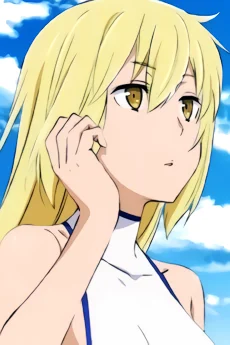
The Sword Oratoria light novels are actually good. They follow Ais Wallenstein and the Loki Familia through events that run parallel to the main series, and they add context that makes the main series better. Ais’s backstory, the deeper lore about the Dungeon, the dynamics within Loki Familia. All of it is stronger on the page.
The anime’s problem was focus. It spent too much time on Lefiya (a polarizing POV character) and not enough on Ais. The LN has Lefiya too, but balanced against Ais’s perspective and the ensemble cast. Read the LN. Skip the anime or watch it after reading to appreciate what was lost. It’s a worse adaptation gap than even SAO’s — and I covered that one too.
More on this series: light novels like DanMachi
Where Should You Start Reading?
If you’ve watched all five seasons, you can start at Volume 18 to continue the story. But I’d recommend going back to Volume 1. The internal monologue, the worldbuilding details, and the character development you missed are worth the re-read. Volumes 1-5 especially feel like a different (better) story when you read them after watching the anime.
If you’re somewhere in the middle of the anime, here’s the mapping:
| After watching… | Start reading at… |
|---|---|
| Season 1 | Volume 6 (or Volume 1 for the full experience) |
| Season 2 | Volume 8 (the skipped volume) or Volume 9 |
| Season 3 | Volume 12 |
| Season 4 | Volume 15 |
| Season 5 | Volume 18 |
Don’t skip Volume 8 just because the anime did. And if you have any interest in Ais or the Loki Familia, read Sword Oratoria starting from Volume 1. The anime does not represent those books.
For a complete breakdown of which volumes to read and in what order (including Sword Oratoria and Familia Chronicle), check out our DanMachi reading order guide.
Frequently Asked Questions
Is the DanMachi light novel better than the anime?
Yes, across the board. The anime is a solid adaptation for Seasons 1, 3, and 4, but the light novel adds Bell’s internal monologue, deeper worldbuilding, and character development that the anime compresses. Season 2 and the Sword Oratoria anime are significantly weaker than their source material.
Where does the DanMachi anime end in the light novel?
Season 5 covers approximately Volumes 15-17. To continue the story after the anime, start at Volume 18. The anime skipped Volume 8 entirely (Ares Festival arc).
Should I read DanMachi from Volume 1 if I’ve watched the anime?
Recommended but not required. The anime covers the plot faithfully enough that you can jump to Volume 18 after Season 5. But Bell’s internal monologue, the skipped Volume 8, and the deeper character work in Volumes 1-14 make re-reading worthwhile.
Is the Sword Oratoria anime worth watching?
Not really. The anime adaptation was poorly received and doesn’t represent the quality of the light novels. Read the Sword Oratoria LN instead, starting from Volume 1. The books add significant context to the main DanMachi story.
How many DanMachi light novel volumes are there?
21 volumes in Japan as of early 2026 (main series). English translations from Yen Press are at approximately Volume 18-19, trailing 2-3 volumes behind. Sword Oratoria has 16 JP volumes with EN through Volume 14.