

This article contains affiliate links. If you buy through these links, we earn a small commission at no extra cost to you.
Most “if you liked X try Y” lists treat isekai as a monolith. See transported protagonist, recommend transported protagonist. Doesn’t matter if the tone is completely different, if the character motivations are opposite, if what actually worked was something specific to that series. Just find the genre overlap and ship it.
That’s not what this is.
Shield Hero‘s first four volumes work because of something uncommon: a protagonist who arrived already guarded, got betrayed anyway, and had to rebuild from zero in a world structurally designed to grind him down. Naofumi’s distrust isn’t generic edginess. It’s a rational response to a specific injustice — and when he starts to trust Raphtalia, it lands because you watched him earn the right to distrust everyone first. That’s rare. Most isekai skip straight to the camaraderie.
The seven series below follow that thread. Not just dark isekai. Not just overpowered protagonist with a party. These share the psychological core that made early Shield Hero stick: betrayal with actual weight, trust that costs something to build, and relationships that mean more because they almost didn’t happen.
TL;DR
Seven light novels for Rising of the Shield Hero readers who want the same psychological core: protagonists who start broken or betrayed, trust that has to be earned on the page, and darkness that actually serves the story. Arifureta and Re:Zero are the closest matches. Mushoku Tensei is the deepest long-term read.
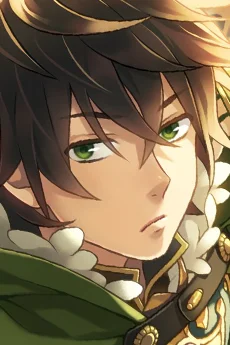
What Actually Makes Shield Hero Hard to Replace?
Shield Hero’s first four volumes work because Naofumi’s disadvantage is structural, not just temporary. He isn’t weak because of stats — he’s weak because the social and legal systems of this world are actively arranged against him. That specificity is what makes the power fantasy feel earned when it finally arrives, and it’s what separates a good recommendation from a generic one.
Volume 1 sets this up fast. By the end of the first chapter, Naofumi is broke, reputationally destroyed, and legally unable to recruit anyone. The betrayal happens immediately, and the entire rest of the early series is structured around what that does to a person who was already skeptical going in. He doesn’t get angrier over time. He gets more precise. That’s a different kind of dark protagonist, and it’s much harder to write than it looks.
The series that match Shield Hero best tend to have protagonists who’ve been cut off from normal social systems somehow. Not just “the world is dangerous.” Specifically excluded, betrayed, or structurally disadvantaged in a way that shapes how they relate to every person they meet afterward. The party formation that follows isn’t just recruiting — it’s rebuilding a version of trust the protagonist has rational reasons to withhold.
Series that don’t match this, regardless of how similar they look on paper, tend to feel flat by comparison. Good isekai where the protagonist just kind of succeeds is fine. It’s not what we’re looking for here. What follows are the series I’d hand someone who finished Volume 4 of Shield Hero still caring, and needed more of that specific thing.

Is Arifureta: From Commonplace to World’s Strongest the Closest Match to Shield Hero?
Arifureta is the closest structural match on this list. Hajime is betrayed by his classmates in Volume 1 and left for dead in a labyrinth, survives through something that reads like extended torture, and emerges as a completely different person. The betrayal arc hits harder than Shield Hero’s and the rebuild is grimmer. J-Novel Club handles the English release, with 13 or more volumes available as of 2025.
Where Shield Hero softens Naofumi’s edges through Raphtalia’s gradual warmth, Arifureta commits to its dark turn longer. Hajime’s first human connection after the betrayal — with Yue, a vampire imprisoned in the labyrinth’s lowest level — starts from mutual desperation rather than purchased companionship. Neither of them has anywhere else to go. That changes how the relationship reads. It’s not someone being kind to him. It’s two people choosing survival together because the alternative is dying alone.
Volume 1 is one of the best single volumes in isekai light novels for the kind of reader who came to Shield Hero for the psychological edge. The subsequent volumes shift — the harem expands, the tone moves toward action-comedy — and opinions divide hard on whether that shift is earned. The community split on this mirrors the Shield Hero community’s divide on whether the series recovers after Volume 4. Some readers think Arifureta’s lightening is a betrayal of the premise. Others think it’s exactly what the series needed to survive.
If you stopped enjoying Shield Hero after Volume 4 but loved the early material, Arifureta might meet you partway there and then diverge in a direction you actually like more. The first two volumes specifically. Read those before deciding anything about the rest of the series.
Does Re:Zero Give You the Same Kind of Psychological Weight as Shield Hero?
Re:Zero gives you more psychological weight than Shield Hero, not just the same amount. Subaru’s Return by Death means he watches everyone he cares about die repeatedly and can’t explain why he’s acting strangely to anyone around him. The trust-building arc with Rem across Volumes 3 and 4 is the most emotionally earned sequence in modern isekai light novels. Yen Press handles the English release.
The comparison to Shield Hero is strongest in how both series use suffering to make the protagonist’s relationships feel real. Naofumi’s walls are external — social and reputational. Subaru’s are imposed by the mechanics of his power. He can’t share what he knows. He can’t explain why he’s acting strangely without erasing the progress he made in the previous loop. The cost of that isolation builds across the first four volumes until the scene where Rem finally chooses him anyway lands the way it does because you’ve watched exactly what it cost both of them to get there.
Re:Zero is harder to read than Shield Hero. The deaths are graphic, the psychological deterioration in the later arcs is unrelenting, and Subaru spends long stretches being genuinely difficult to root for. But the series hasn’t fallen off after its early volumes the way Shield Hero did. It gets better as it gets longer. The White Whale arc in Volumes 5 and 6, and what follows, are where it earns its reputation.
If you’ve already watched both anime seasons, the light novel picks up meaningfully from Volume 9. The untranslated arcs beyond the official English releases are available via fan translation if you run out of official volumes — the quality varies, but the story keeps paying off.

What Does Mushoku Tensei Offer That Other Isekai Recommendations Don’t?
Mushoku Tensei offers something most isekai avoid: a protagonist who starts from genuine failure and earns every piece of his growth across 25 volumes. The mid-series character revelations — particularly in the Ranoa University arc — only land the way they do because the series spent that long building toward them. Seven Seas handles the English release.
Rudeus Greyrat doesn’t have a betrayal arc in the same sense Naofumi does. But the series shares Shield Hero’s core interest in what it actually costs a person to rebuild after being broken. Rudeus starts as a 34-year-old shut-in who died doing something decent and got a second chance, and the first several volumes are about what genuine growth looks like versus the performance of growth. That’s a harder question to take seriously than most isekai attempts, and Mushoku Tensei takes it seriously.
The party dynamics are closer to Shield Hero than they first appear. Rudeus’s relationships — particularly with Eris in the early volumes and Sylphiette across the full series — are built on shared hardship rather than convenience. Volume 8, the displacement arc, permanently changes several of these relationships in ways that echo how Shield Hero handles Naofumi’s post-betrayal bonds. Characters prove themselves through survival, not through declarations.
One honest warning: the first volume has content that puts some readers off permanently. If you can contextualize it as part of a character who is genuinely broken at the start and has to become better, the series pays that patience back over and over. If you can’t get past it, skip to Re:Zero or Arifureta instead. There’s no shame in knowing what you can and can’t read.
Is Overlord Worth It If You Liked Shield Hero’s Kingdom-Building and Alliance Politics?
Overlord is worth it for Shield Hero readers who connected more with the resource management and alliance-building than with the emotional betrayal arc. Ainz Ooal Gown is constructing something from nothing, negotiating with factions, and managing companions who are loyal beyond reason — but you’re watching all of it from the villain’s perspective. Yen Press handles the English release, 14 volumes in English as of 2025.
The emotional throughline in Overlord is different from Shield Hero — Ainz doesn’t have Naofumi’s wounded humanity — but the structural similarities in how it builds its world are strong. Both series spend significant time on the logistics of power: how you build an organization, how you manage allies with competing agendas, how you project strength before you actually have it. Volumes 1 through 3 do this as well as anything in the genre.
Where Shield Hero earns emotional investment through Naofumi’s vulnerability, Overlord earns it through dramatic irony. Ainz is uncertain, overwhelmed, performing the role of the Sorcerer King for audiences who expect a god. His Floor Guardians are loyal because of who he was before the game ended, not because of anything he’s actually done since arriving in this world. That gap — between the loyalty he’s given and the person he actually is — drives the series in a way that’s surprisingly affecting once it starts to land.
The pacing drags in places, particularly the Lizardmen arc in Volume 4. Push through to Volume 7 before making a final call. The Nazarick political dynamics and the human kingdom storylines that follow are where it finds its stride.

Does That Time I Got Reincarnated as a Slime Hit the Same Nation-Building Notes?
That Time I Got Reincarnated as a Slime is the most optimistic series on this list, and it earns that optimism rather than just asserting it. Rimuru builds the Jura Tempest Federation across the first five volumes by negotiating and actually caring about the people he’s working with. The Orc Lord arc in Volumes 3 and 4 is the nation-building peak of the series. Yen Press handles the English release, 21 volumes total.
This sounds like the opposite of Shield Hero in tone, and it is. But the structural interest is the same: building something real with people who have their own histories and agendas, creating bonds that are tested rather than assumed. Rimuru’s relationships with the Tempest goblins, the dwarves, and eventually the other demon lords work because the series takes the logistics of alliance-building seriously. You believe in what he’s building because you watched him build it from nothing.
The Veldora scene in Volume 1 establishes Rimuru’s character faster than most isekai manage in five volumes. He meets the ancient dragon sealed in the cave, befriends it in about three days, and sets off with it living in his stomach. The casualness of that interaction — treating a world-ending entity as a companion rather than a threat — tells you exactly who this protagonist is. It’s a different appeal than Naofumi’s wariness, but it’s equally specific to the series.
If Shield Hero’s grimness wore you out, Slime is the series that still has genuine stakes without the psychological weight. Volumes 6 through 8 get significantly darker, so don’t expect the lighter tone to hold forever. But it holds long enough to be genuinely refreshing after Shield Hero’s relentlessness in the early volumes.
What Does The World’s Finest Assassin Offer That Arifureta and Re:Zero Don’t?
The World’s Finest Assassin Gets Reincarnated as an Aristocrat in Another World offers a betrayal-from-authority dynamic that’s rare in the genre. Lugh Tuatha De was the world’s greatest assassin, killed by his own organization, then reincarnated by a goddess who immediately makes clear she’ll have him killed again if he doesn’t comply. The wariness toward authority runs deep from Volume 1. Yen Press handles the English release, 9 volumes in English as of 2025.
The Shield Hero parallel runs through how both series establish that the people who should protect you will sell you out when it’s convenient. Naofumi’s betrayer is Malty, a princess with institutional credibility and political cover. Lugh’s betrayers are first his organization and then a literal goddess with divine authority. Both protagonists respond by becoming self-sufficient to the point of paranoia and building loyalty structures they control rather than depend on from above.
What differentiates this series is competence on the page. Lugh is methodically overpowered in a way that’s satisfying because the preparation is shown in detail. He develops his magic, his business operations, and his tactical planning across the first three volumes with enough specificity that you buy the results when they arrive. The work is visible. This is power fantasy done correctly, where the power is explained rather than just granted.
The companion relationships — with Dia, Maha, and Tarte specifically — are handled more carefully than Shield Hero’s treatment of Filo and Raphtalia’s early circumstances. If that aspect of Shield Hero was a persistent issue for you, this is a meaningful improvement with similar emotional beats underneath.
Does Reincarnated as a Sword Scratch the Same Itch as the Naofumi-Raphtalia Dynamic?
Reincarnated as a Sword is the most direct echo of the Raphtalia arc on this list. Fran is a demi-human former slave who partners with Teacher, a reincarnated sword, to buy her freedom and become a black-class adventurer. The former-slave-turned-genuine-companion dynamic hits the same emotional notes as Naofumi and Raphtalia in Volumes 1 through 3, with less political baggage around it. Seven Seas handles the English release.
The series runs on the same emotional logic as Shield Hero’s best early material: a character with every reason to distrust extends trust anyway to someone who turns out to have earned it, and that character’s growth is tracked through increasing competence rather than just increasing warmth. Fran is a genuinely skilled fighter by Volume 3. Her evolution from survival-mode slave to adventurer with a real purpose is shown in specific detail, not just summarized between chapters.
Teacher as the protagonist is a clever structural constraint. He can’t speak directly to anyone but Fran, can’t move independently, can’t build relationships outside their partnership. That limitation makes the Fran-Teacher bond feel more earned than most isekai protagonist-companion pairings, which tend to accumulate party members through convenience. This series structurally can’t do that. Every relationship has to go through Fran, and Fran has to want it.
The overall tone is lighter than Shield Hero, closer to adventure fantasy than dark isekai. But the emotional anchor is the same. If what you loved about early Shield Hero was specifically the Naofumi-Raphtalia dynamic rather than the political betrayal arc, this is the recommendation to go to first.
Where Should You Start if These All Sound Good?
Start with Arifureta if you want the most direct structural match to Shield Hero’s betrayal arc and need the psychological edge immediately. Start with Re:Zero if you want the deepest long-term investment and can handle a slower, harder read. Start with Reincarnated as a Sword if what you loved was specifically the Raphtalia dynamic and you want something lighter to begin with.
And if you haven’t read the Shield Hero light novels yet after watching the anime, the first four volumes are worth your time. The internal monologue gives Naofumi’s trust issues and gradual recalibration a clarity the adaptation skips entirely. Rising of the Shield Hero Volume 1 on Amazon is the right starting point. For a full breakdown of how the light novel compares to the anime across all three seasons, the Shield Hero LN vs anime deep dive covers the key differences in detail.
For the recommendations on this list, a practical read order: Arifureta Volume 1 if you want to start dark, Reincarnated as a Sword Volume 1 if you want something lighter with the same emotional logic, Re:Zero Volume 1 if you’re in it for the long haul. Mushoku Tensei and Overlord reward commitment to longer series. Slime and World’s Finest Assassin are the most accessible entry points if you’re newer to reading light novels in general. And if you want more starting points in this territory, the light novels like The Eminence in Shadow recommendations cover several series that also appear on Shield Hero lists, with different angles on why each overlap works.
Frequently Asked Questions: Light Novels Like The Rising of the Shield Hero
What light novel is most similar to The Rising of the Shield Hero?
Arifureta: From Commonplace to World’s Strongest is the closest structural match. Both series open with a protagonist betrayed early in their isekai arrival, both follow a rebuild from zero with a small loyal party, and both use darkness purposefully rather than decoratively. Arifureta’s Volume 1 is darker than Shield Hero’s, and the series gets lighter as it progresses — almost the reverse of Shield Hero’s trajectory after Volume 4.
Is Re:Zero better than The Rising of the Shield Hero?
Better is the wrong frame. They’re doing different things with different strengths. Re:Zero commits harder to its psychological premise and hasn’t fallen off after its early volumes the way Shield Hero did after Volume 4. If you want emotional depth and don’t mind difficulty, Re:Zero probably has more of what you’re looking for long-term. Shield Hero is the more accessible read with a stronger first arc and a weaker continuation.
Are these series available on BookWalker and Kindle?
Yes. Arifureta (J-Novel Club), Re:Zero (Yen Press), Mushoku Tensei (Seven Seas), Overlord (Yen Press), That Time I Got Reincarnated as a Slime (Yen Press), and The World’s Finest Assassin (Yen Press) are all available digitally on both BookWalker and Kindle. Reincarnated as a Sword (Seven Seas) is available on Kindle and through Seven Seas’ digital storefronts directly.
Which series is best for someone who loved Raphtalia specifically?
Reincarnated as a Sword is the most direct match. Fran is a demi-human former slave whose growth from survival mode to genuine adventurer mirrors Raphtalia’s arc closely, and the Teacher-Fran dynamic has the same quality of earned trust that Naofumi-Raphtalia has in the early volumes. Arifureta’s Yue has a similar rescued-from-imprisonment structure, but Fran is the closer character parallel.
Is the Shield Hero light novel worth reading if you’ve already seen all three anime seasons?
Yes, particularly Volumes 1 through 4. Naofumi’s internal monologue gives his distrust and gradual recalibration a clarity the anime skips entirely. The Three Heroes Church arc reads significantly better in text. Whether it’s worth continuing past Volume 4 depends on your tolerance for a series that’s settled into something more routine — but the first four volumes stand on their own regardless of how the rest of the series lands.