

This article contains affiliate links. If you buy through these links, we earn a small commission at no extra cost to you.
So you want to read a light novel but you’re not sure where to start. Maybe you finished an anime and someone said “the light novel is better.” Maybe you saw a shelf of small paperbacks with anime covers at a bookstore. Maybe you’re just curious why people on Reddit talk about these things so intensely.
This article contains affiliate links. If you buy through these links, we earn a small commission at no extra cost to you.
TL;DR
- Step 1: Pick a series based on an anime you liked. The light novel is usually better — more detail, more story, the author’s full vision.
- Step 2: Go digital or physical. Digital is cheaper. Physical is more satisfying. Both work.
- Step 3: Start from Volume 1. Yes, even if you’ve seen the anime. The LN always has more.
- Step 4: Give it three volumes. Light novels take a volume or two to find their rhythm. Don’t judge a series by the first 50 pages.
This guide is the conversation I wish someone had with me in 2015 when I picked up my first light novel (it was Sword Art Online, and yes, I’m aware). I’m going to walk you through everything: what to read first, where to buy it, how to read it, and the mistakes most people make when starting out.
Step 1: Pick Your Entry Point
The single biggest mistake beginners make is starting with the “best” series instead of the “right” series for them. Mushoku Tensei might be the greatest reincarnation light novel ever written, but it’s 26 volumes with a deeply flawed protagonist. That’s a rough first date with the medium.
Instead, pick based on what you already like:
If you watch anime…
Start with a series whose anime you’ve already seen. You know the characters. You know the world. The transition to prose won’t feel jarring — it’ll feel like unlocking a director’s cut.
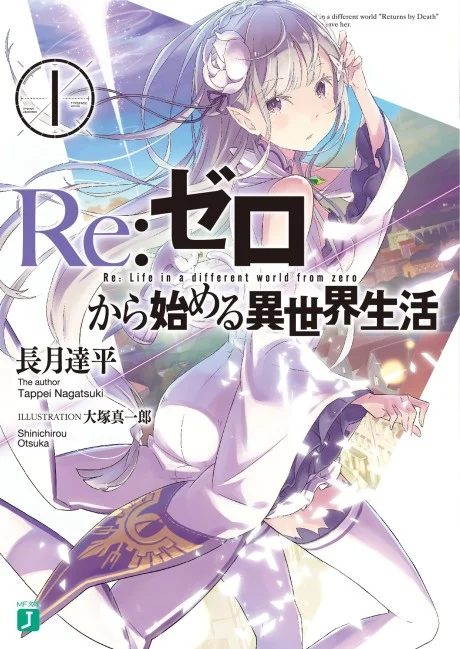
- Watched Re:Zero? The LN is the definitive version. Subaru’s internal monologue — pages of it — transforms the experience.
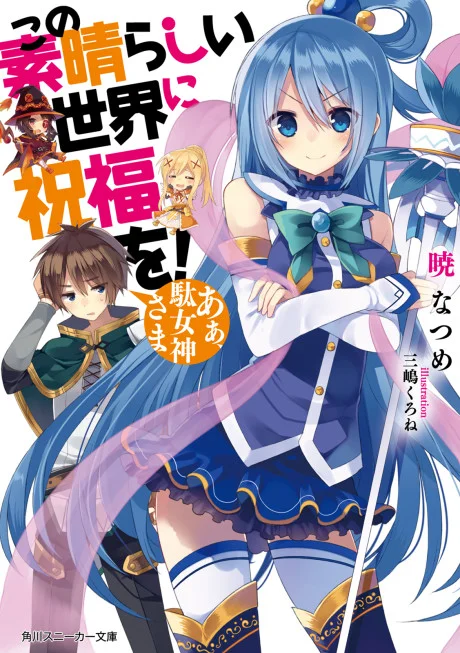
- Watched Konosuba? Kazuma’s narration adds an entire comedy layer the anime can’t replicate.
- Watched Classroom of the Elite? The anime barely scratched the surface. The LN is a psychological chess match.
- Watched The Apothecary Diaries? The mysteries are more detailed in prose. Maomao’s thought process is the whole point.
If you don’t watch anime…
That’s fine. Light novels are just novels. Here are entry points by what you normally read:
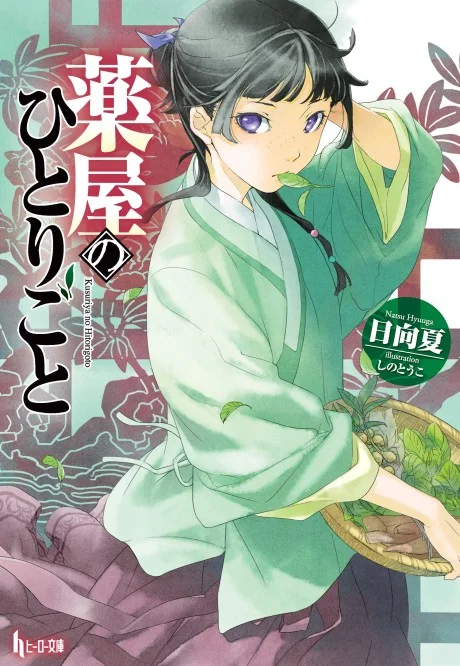
- Mystery fans: The Apothecary Diaries — a pharmacist solving poisoning cases in an imperial court. Zero anime knowledge needed.
- Fantasy fans: Ascendance of a Bookworm — worldbuilding that rivals Sanderson, political intrigue that rivals Martin.
- Romance fans: Toradora — the best romantic comedy light novel. Ten volumes, complete, universally loved.
- Thriller fans: Classroom of the Elite — psychological chess game in a school setting. Reads like a page-turner.
- Literary fiction fans: Three Days of Happiness — 200 pages about selling your remaining lifespan. Quiet, devastating, perfect.
For a full ranked list of starter series, see Best Light Novels for Beginners.
Step 2: Choose Your Reading Format
There are three ways to read light novels in English. Each has trade-offs.
Digital (cheapest + most convenient)
- J-Novel Club subscription ($5/month) — best deal in the industry. Read new chapters weekly as they’re translated, before they’re collected into volumes. Catalog includes Ascendance of a Bookworm, Tearmoon Empire, The Faraway Paladin.
- Kindle — widest selection. $5-10 per volume. All major publishers (Yen Press, Seven Seas, J-Novel Club) publish here.
- BookWalker — Kadokawa’s official store. Good coin-back deals and sales. Some exclusive editions.
Physical (most satisfying)
- Amazon — largest selection, $8-15 per volume.
- Barnes & Noble — growing LN section. Good for browsing in person.
- RightStuf / Crunchyroll Store — competitive prices, regular sales.
My recommendation: start digital. It’s cheaper and you’ll know within one volume whether a series is for you. Buy physical copies of the series you love — most readers do both. I read digitally for discovery and collect physical volumes of my favorites.
Audio (newest option)
Some light novels are available on Audible now. The catalog is still small compared to digital/physical, but it’s growing. Overlord and Sword Art Online both have audiobook editions. Worth checking if you’re an audio-first reader.
Step 3: Start From Volume 1 (Yes, Really)
I know. You watched the anime. You know what happens in volumes 1-6. Starting over sounds tedious. Do it anyway.
Anime adaptations cut more than you think. Internal monologue gets removed — and for many series, the protagonist’s thoughts ARE the story. Worldbuilding details get simplified. Side character scenes get trimmed. Re:Zero‘s anime is excellent, but volumes 1-15 have thousands of words of Subaru’s internal processing that the show physically can’t include.
Starting from volume 1 makes the light novel feel like a new experience. Starting from “where the anime left off” makes it feel like a recap you skipped the beginning of.
If you absolutely can’t restart: search “[series name] where does the anime leave off” to find the right starting volume. But you’ll miss things.
Step 4: Give It Three Volumes
Volume 1 is setup. Characters introduced. World established. Premise delivered. It’s the pilot episode — necessary but rarely the best the series offers.
Volume 2 develops. Relationships deepen. The actual conflict emerges. You start to see where the series is heading.
Volume 3 is where most series show you what they really are. The twist lands. The emotional stakes hit. The writing finds its rhythm. If a series hasn’t hooked you by the end of volume 3, it’s probably not for you — and that’s fine. Move to the next one.
Exception: single-volume novels like I Want to Eat Your Pancreas or Three Days of Happiness are complete in one sitting. Those are the ultimate trial run for the format.
Step 5: Understand the Format
A few things that confuse first-time LN readers:
They’re short. 200-300 pages per volume. 3-5 hours to read. This is by design — light novels were made for Japanese commuters reading on trains. One volume = one sitting.
They have illustrations. Not many — usually 4-8 per volume plus some color pages at the front. You’re reading prose, not looking at panels. The illustrations mark key dramatic moments.
They’re serialized. Published as numbered volumes in a series. Some series run 3 volumes. Some run 30+. Check the volume count before starting if commitment is a concern.
The writing style is different from Western novels. Dialogue-heavy. Short paragraphs. First-person narration is common. The pacing is faster than literary fiction but more introspective than manga. For a deep dive, see What Is a Light Novel?
Your Starter Pack: 6 First Light Novels
If you’re still not sure where to start, pick one of these. Each represents a different flavor of what light novels do well.
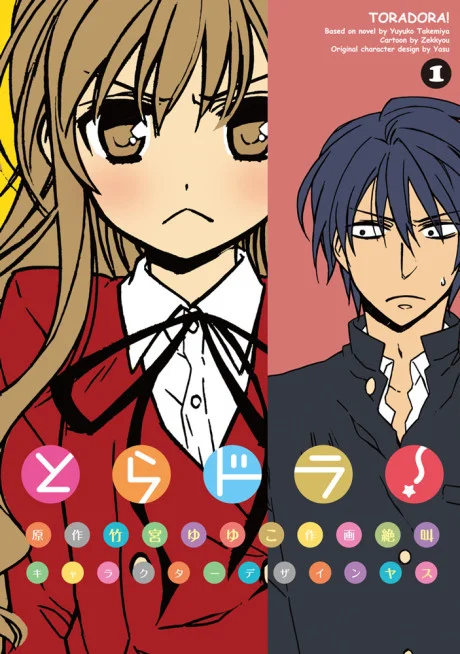
Toradora! (10 volumes, complete) — the safest possible recommendation. Romance, comedy, genuine emotional depth. Works for everyone.
More light novel guides
- best villainess light novels
- best magic light novels
- best game light novels
- fantasy light novels
- best light novels 2025-2026
- light novels for adults
- light novels with illustrations
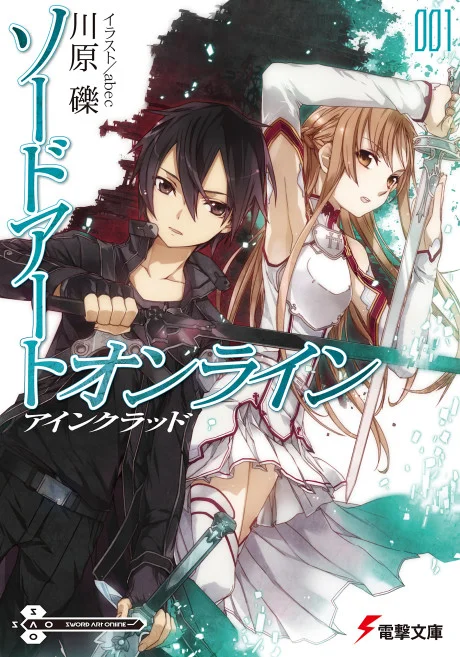
Sword Art Online (27+ volumes, ongoing) — the gateway drug. Trapped in a VR death game. Volumes 1-2 are a quick, compelling trial run.
More light novel guides
- best villainess light novels
- best magic light novels
- best game light novels
- fantasy light novels
- best light novels 2025-2026
- light novels for adults
- light novels with illustrations
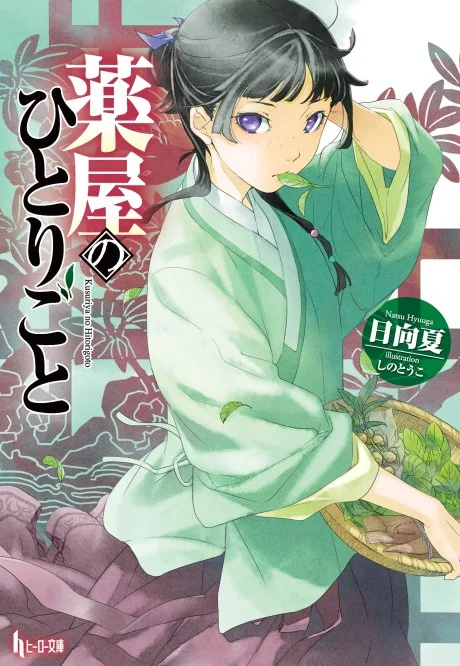
The Apothecary Diaries (12+ volumes, ongoing) — mystery in an imperial court. The protagonist who doesn’t care about romance in a world that insists on romance. No anime knowledge required.
More light novel guides
- best villainess light novels
- best magic light novels
- best game light novels
- fantasy light novels
- best light novels 2025-2026
- light novels for adults
- light novels with illustrations
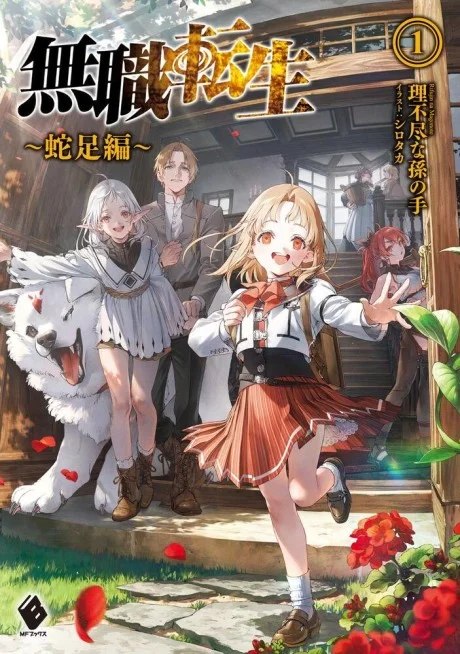
Mushoku Tensei (26 volumes, complete) — the definitive reincarnation story. Not the easiest start (flawed protagonist, slow burn), but the payoff across 26 volumes is unmatched.
More light novel guides
- best villainess light novels
- best magic light novels
- best game light novels
- fantasy light novels
- best light novels 2025-2026
- light novels for adults
- light novels with illustrations

Ascendance of a Bookworm (33 volumes, complete) — worldbuilding that rivals the best Western fantasy. A librarian reinvents books in a medieval world. Slow start, incredible payoff.
More light novel guides
- best villainess light novels
- best magic light novels
- best game light novels
- fantasy light novels
- best light novels 2025-2026
- light novels for adults
- light novels with illustrations
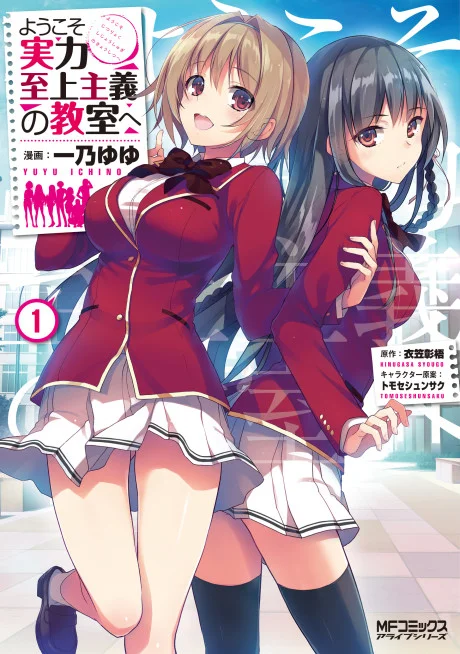
Classroom of the Elite (30+ volumes, ongoing) — psychological thriller. Unreliable narrator. Every volume is a new exam, a new chess match. Read 3 volumes and you won’t stop.
Common Mistakes to Avoid
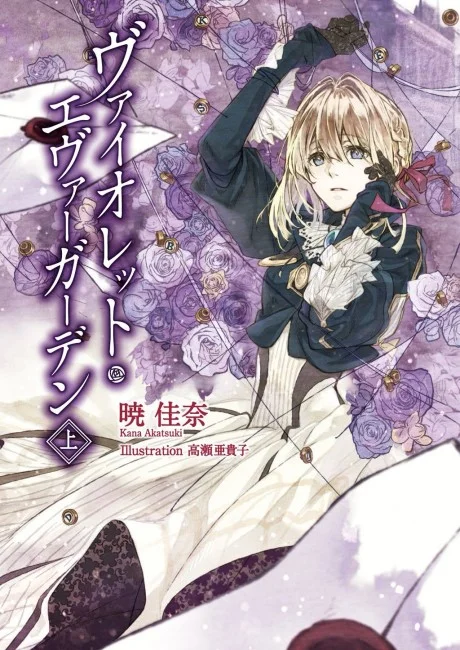
Starting with the longest series. Re:Zero is 37+ volumes. Ascendance of a Bookworm is 33. These are incredible but daunting. Start with something shorter (Toradora at 10, Violet Evergarden at 4) to prove you enjoy the format before committing to a marathon.
Judging by volume 1 alone. Light novels are serialized. Volume 1 is the setup. Give a series three volumes before deciding. The exceptions are standalone novels — I Want to Eat Your Pancreas and Three Days of Happiness are complete in one book.
Skipping to where the anime ended. You’ll miss internal monologue, worldbuilding, and character development the anime cut. Start from volume 1 if you can.
Assuming light novels are “lesser” fiction. They’re a publishing format, not a quality tier. Ascendance of a Bookworm has better worldbuilding than most Western fantasy. 86 is literary military sci-fi. Three Days of Happiness would hold its own in any bookstore’s literary fiction section.
Buying physical before trying digital. A J-Novel Club subscription is $5/month. A Kindle volume is $5-10. A physical volume is $8-15. Try digitally first. Buy physical copies of the series you love.
Light Novel vs Manga vs Anime — Which First?
Short version: if a series started as a light novel (most isekai, fantasy, romance), the LN has the most content. If it started as a manga (most action/shonen), read the manga. If it’s a manhwa (Korean, full-color, vertical scroll), read on Webtoon.
For the full breakdown with specific examples, see Light Novel vs Manga vs Manhwa: What’s Actually Different.
FAQ
How long does it take to read a light novel?
3-5 hours per volume at a comfortable pace. Faster readers can finish in 2 hours. A standalone novel like Three Days of Happiness is a single-evening read. A 10-volume series is roughly 30-50 hours — about one season of a TV show.
Do I need to know Japanese?
No. Hundreds of series are officially translated into English by Yen Press, J-Novel Club, and Seven Seas. The English LN market is huge and growing. You’ll occasionally see Japanese honorifics (-san, -kun, -senpai) kept in translations, but they’re easy to pick up from context.
Are light novels expensive?
Digital: $5-10 per volume. J-Novel Club subscription: $5/month for access to new chapters. Physical: $8-15 per volume. BookWalker and Kindle regularly run sales (50% off is common). It’s comparable to buying manga volumes.
What’s the cheapest way to start?
J-Novel Club’s $5/month subscription gives you access to dozens of series. If you want a specific series from Yen Press or Seven Seas, watch for Kindle sales. Many public libraries also carry digital light novels through Libby/OverDrive.
Can I read light novels on my phone?
Yes. Kindle app, BookWalker app, and J-Novel Club app all work on iOS and Android. The short paragraph style of light novels actually reads well on phone screens — better than dense Western novels.
Ready for recommendations? See Best Light Novels for Beginners, Best Isekai Light Novels, Best Romance Light Novels, and Best Light Novels of 2025-2026.