

Someone told you to “read the light novel” and you nodded along like you knew what that meant. Or maybe you’ve seen the term on Amazon, stared at a shelf of small paperbacks with anime covers at Barnes & Noble, and wondered what exactly separates these from regular books. Either way — you’re here, and I’m going to explain everything.
TL;DR
- A light novel is a short Japanese novel (50-75K words) with anime-style illustrations. Published in small paperback format, aimed at teens and young adults, though plenty of series skew older.
- They’re not manga. Mostly text with a few illustrations per volume. Think regular novels with anime cover art and occasional full-page artwork.
- Available in English from Yen Press, J-Novel Club, and Seven Seas. Digital and physical. Prices range from $7-15 per volume.
- If someone told you to “read the light novel” after an anime, this is what they meant. The original source material.
I’ve been reading light novels since 2015. Started with Sword Art Online (don’t judge), moved to Re:Zero, got obsessed with Mushoku Tensei, and now have an embarrassing shelf of J-Novel Club and Yen Press volumes. Light novels changed how I consume stories. But explaining what they actually are to someone who’s never picked one up? That’s harder than it should be, because most “what is a light novel?” articles give you a dictionary definition and call it a day.
Here’s the real answer — format, history, how they work, and exactly how to start reading them. Updated for 2026, with links to everything I’ve reviewed.
What Is a Light Novel? (The Real Answer)
A light novel is a Japanese prose novel — text you read, not panels you look at. Typically 200–300 pages per volume, published as small-format paperbacks (bunkobon size, roughly 4″ × 6″) with a handful of full-page illustrations. The “light” in the name means accessible, not shallow. These aren’t picture books and they aren’t manga. They’re actual novels with anime-style cover art and a few interior illustrations.
The format sits in a specific niche: longer than a manga chapter, shorter than a Western novel. A typical volume takes 3–5 hours to read. Series run anywhere from 3 volumes (Violet Evergarden) to 30+ (Re:Zero, Ascendance of a Bookworm). They’re published as numbered volumes in a series — think “Volume 1, Volume 2” rather than standalone books — and most tell a continuous story across the full run.
What makes light novels feel different from Western YA or fantasy novels is the pacing and style. Dialogue-heavy. Short paragraphs. First-person narration is common. The prose prioritizes momentum over description — you’re inside a character’s head, riding their internal monologue, not wading through three pages of landscape description. If manga is a movie, a light novel is the director’s commentary playing over it.
A Brief History: From Web Novels to Bookstores
Light novels didn’t start on bookstore shelves. The modern light novel industry traces back to two things: magazine serialization in the 1990s and the web novel explosion of the 2000s–2010s.
The Magazine Era (1990s–2000s)
The earliest light novels were published in magazine format — Kadokawa’s Sneaker Bunko and Dengeki Bunko labels launched series like Slayers (1989) and Boogiepop (1998). These pioneered the formula: short, punchy novels with anime-style illustrations, aimed at teenagers. Slayers basically invented the modern fantasy light novel. Lina Inverse was doing the sarcastic overpowered protagonist thing decades before isekai made it standard.
Then Haruhi Suzumiya happened. Nagaru Tanigawa’s series (starting 2003) sold 20 million copies and turned light novels into a mainstream cultural force in Japan. The 2006 anime adaptation — produced by Kyoto Animation — proved that light novels could generate massive anime properties. Every publisher wanted the next Haruhi. The industry exploded.
The Web Novel Revolution (2010s)
The real game-changer was Shousetsuka ni Narou — a free Japanese web publishing platform (think Japan’s Wattpad, except it actually produced masterpieces). Anyone could write and publish fiction. Readers voted with their clicks. The cream rose.
And the cream was staggeringly good. Mushoku Tensei started on Narou in 2012 and essentially created the modern isekai template. Re:Zero launched there the same year. Ascendance of a Bookworm. The Faraway Paladin. Konosuba. These series built massive readerships for free, then got picked up by publishers who polished the writing, hired illustrators, and released them as physical light novels.
This web-to-print pipeline is now the dominant way light novels get made. An author writes on Narou or Kakuyomu (Kadokawa’s platform), builds an audience, gets scouted by a publisher, and the web novel gets rewritten and released as an official light novel — usually with better prose, sometimes with different plot points. The web novel is the rough draft. The light novel is the definitive version.
Going Global (2010s–Now)
English translations were rare before 2014. Yen Press and Tokyopop published a handful of series, but the market was tiny. Then J-Novel Club launched in 2016 with a subscription model — pay monthly, read new chapters as they’re translated — and the English light novel market took off. By 2026, there are hundreds of series available in English from three major publishers, anime adaptations drive constant demand for source material, and light novels have gone from a niche hobby to a growing segment of the English-language book market.
The Anatomy of a Light Novel
The Physical Format
Size: Smaller than a typical Western paperback. Japanese bunkobon format is roughly 10.5 × 14.8 cm (about 4″ × 6″). English editions from Yen Press and Seven Seas are slightly larger but still compact — they fit in a coat pocket or small bag. This was intentional. Light novels were designed for Japanese commuters reading on trains.
Length: 40,000–60,000 words per volume (Japanese), which translates to roughly 200–300 pages. For reference, a typical Western fantasy novel is 80,000–120,000 words. Light novels are about half that. This isn’t a limitation — it’s a design choice. One volume = one arc or one section of a larger story. You get a complete reading experience in a single sitting.
Price: $8–$15 USD per volume for physical editions. Digital editions are typically $5–$10. J-Novel Club’s subscription ($5/month) gives you access to new chapters before they’re collected into volumes — genuinely the best deal in the industry. For a full breakdown of where to buy, see our where to buy light novels guide.
The Illustrations
Every light novel volume has illustrations, but not many. Expect:
- Cover art: Full-color artwork on the front cover. This is usually the single most polished piece of art in the volume.
- Color inserts: 2–4 full-color pages at the front of the book (called “frontispiece” pages). These typically show key characters or pivotal scenes from that volume.
- Black-and-white illustrations: 4–8 grayscale illustrations scattered through the text. These mark dramatic moments — a battle, a character reveal, an emotional scene.
The quality varies wildly by series. Overlord‘s so-bin illustrations are genuinely gallery-worthy — detailed, atmospheric, and distinctive enough to be recognizable anywhere. 86‘s Shirabii artwork is beautifully painted. On the other end, some series have fairly generic character designs that blur together across volumes. You’re not reading light novels for the art, but good illustrations genuinely elevate the experience.
The Writing Style
Light novel prose is distinct from Western fiction. Some characteristics you’ll notice immediately:
- First-person narration is dominant. Most light novels put you inside the protagonist’s head. Re:Zero, Classroom of the Elite, Oregairu — you experience everything through a single perspective, including their internal reactions, anxieties, and commentary.
- Dialogue-heavy. Some pages are 80%+ dialogue. Conversations carry the plot forward more than description.
- Short paragraphs. Dense walls of text are rare. Most paragraphs are 2–4 sentences. This contributes to the “light” in light novel.
- Internal monologue. The protagonist’s thoughts are a major narrative device. Subaru’s spiraling in Re:Zero, Hachiman’s cynical observations in Oregairu, Ayanokōji’s calculated analysis in Classroom of the Elite — this is where light novels shine versus visual adaptations.
Light Novel vs Web Novel vs Manga
These three get confused constantly. Here’s the actual distinction:
Web novel: Free prose fiction published online (Narou, Kakuyomu, Syosetu). No illustrations. No editor. The author’s raw draft. Some web novels are incredible; many are rough. Web novels are where light novel series usually start — they’re the proving ground.
Light novel: The published, polished version. An editor has cleaned up the prose, an illustrator has added art, and a publisher is backing it. The light novel is the “official” version. Sometimes the plot diverges from the web novel — Mushoku Tensei‘s ending differs between the two, and many series add scenes or restructure arcs for the published edition.
Manga: Japanese comics. Visual panels, not prose. Some manga are adaptations of light novels (Re:Zero, Overlord), and in those cases the manga is always a compressed version — it cuts internal monologue and simplifies worldbuilding. Other manga are original works (One Piece, Jujutsu Kaisen) with no light novel source.
For a deeper breakdown, check out our complete comparison of light novels, manga, and manhwa. And for web novel vs light novel specifically, see our LN vs WN guide.
The Publisher Landscape: Who Translates What (2026)
Three publishers dominate the English light novel market. Each has a distinct personality. For a full head-to-head, see our Yen Press vs J-Novel Club comparison.
Yen Press
The biggest catalog. Yen Press licenses the most popular series — Re:Zero, Sword Art Online, Overlord, Konosuba, Bunny Girl Senpai, Spice and Wolf, Goblin Slayer. If it’s a big-name series with a popular anime, Yen Press probably has it.
Pros: Widest selection, strong retail presence (you’ll find Yen Press titles at Barnes & Noble), high production quality on physical editions.
Cons: Translation speed varies. Some series are years behind the Japanese releases. Their digital prices are higher than J-Novel Club’s. No subscription option.
J-Novel Club
My personal favorite. J-Novel Club runs a subscription model: $5/month gets you access to new chapters as they’re translated, before they’re collected into volumes. This means you’re reading new content weekly — not waiting 3–6 months for the next volume drop. Their catalog includes Ascendance of a Bookworm, The Faraway Paladin, Tearmoon Empire, Dahlia in Bloom, and How a Realist Hero Rebuilt the Kingdom.
Pros: Fastest translations in the industry. The subscription is unbeatable value. Their translators are generally excellent — Quof’s work on Bookworm is a masterclass.
Cons: Smaller catalog than Yen Press. Fewer “blockbuster” series. Physical editions have to be bought separately from the subscription.
Seven Seas
Seven Seas rounds out the big three with a growing light novel catalog alongside their manga lineup. They publish Mushoku Tensei, Classroom of the Elite, The Saga of Tanya the Evil, and several other notable series. They’ve been expanding aggressively into light novels over the past few years.
Pros: Competitive pricing on physical editions. Increasingly strong catalog. Good omnibus editions for some series.
Cons: Had a censorship controversy in 2021 (editing content without disclosure in Mushoku Tensei and CotE). They released corrected v2 digital editions after community backlash. The issue is considered resolved, but worth knowing about.
Major Genres in Light Novels (2026)
Light novels cover every genre you can think of, but a few dominate. Here’s what’s popular right now, with links to our ranked lists and reviews.
Isekai (Another World)
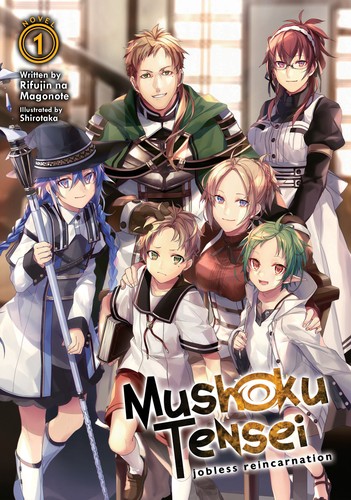
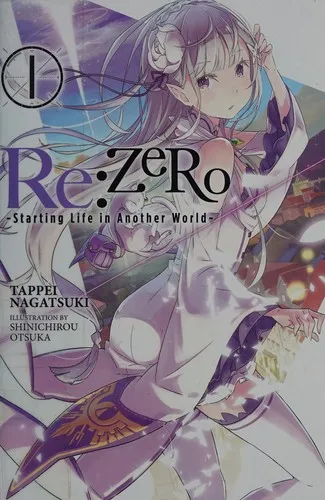
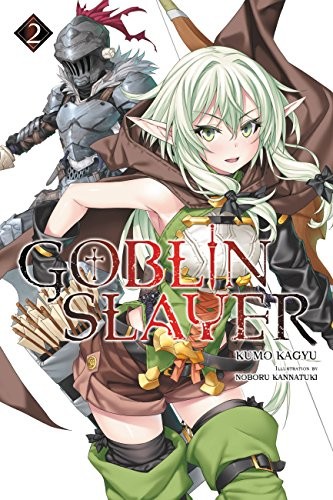
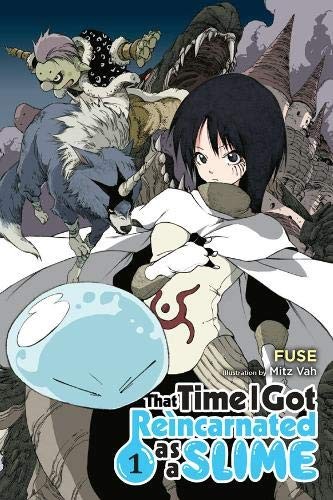
The big one. Protagonist gets transported to or reincarnated in a fantasy world. This is where light novels have had the most cultural impact — Mushoku Tensei, Re:Zero, Konosuba, Overlord, That Time I Got Reincarnated as a Slime. The genre ranges from power fantasies to genuine literary fiction. For a ranked list, see our Best Isekai Light Novels guide.
Romance / Romantic Comedy
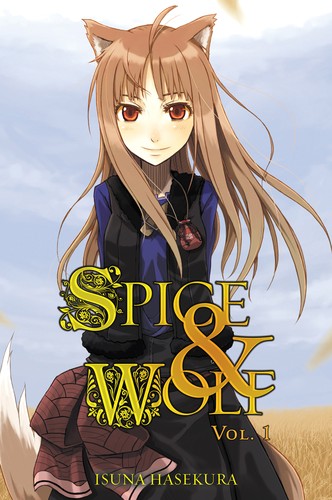
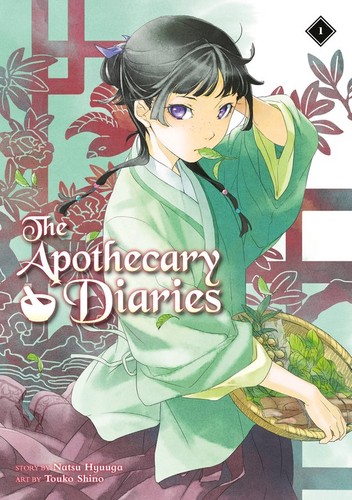
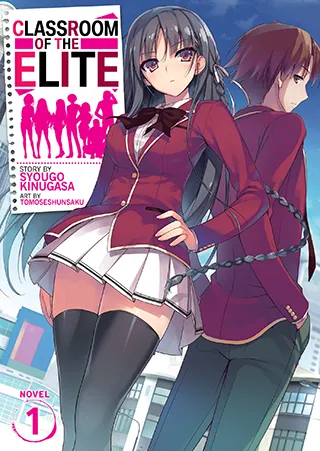
High school romance is a massive subgenre. Toradora!, Oregairu, Bunny Girl Senpai, The Angel Next Door — these series live in the characters’ heads and explore relationships with a depth that anime adaptations can only approximate. Spice and Wolf deserves special mention — medieval economics romance that’s better than it sounds. See our Best Romance Light Novels ranking.
Dark Fantasy / Action
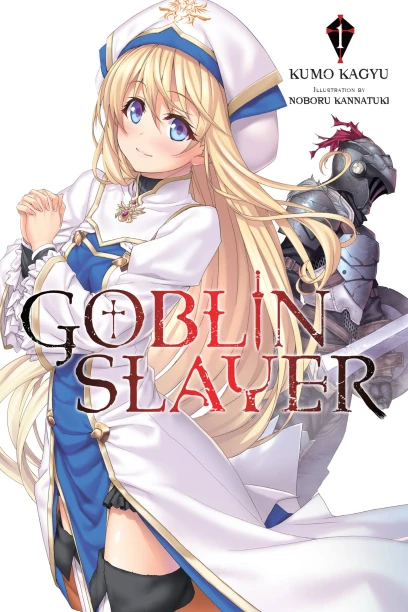
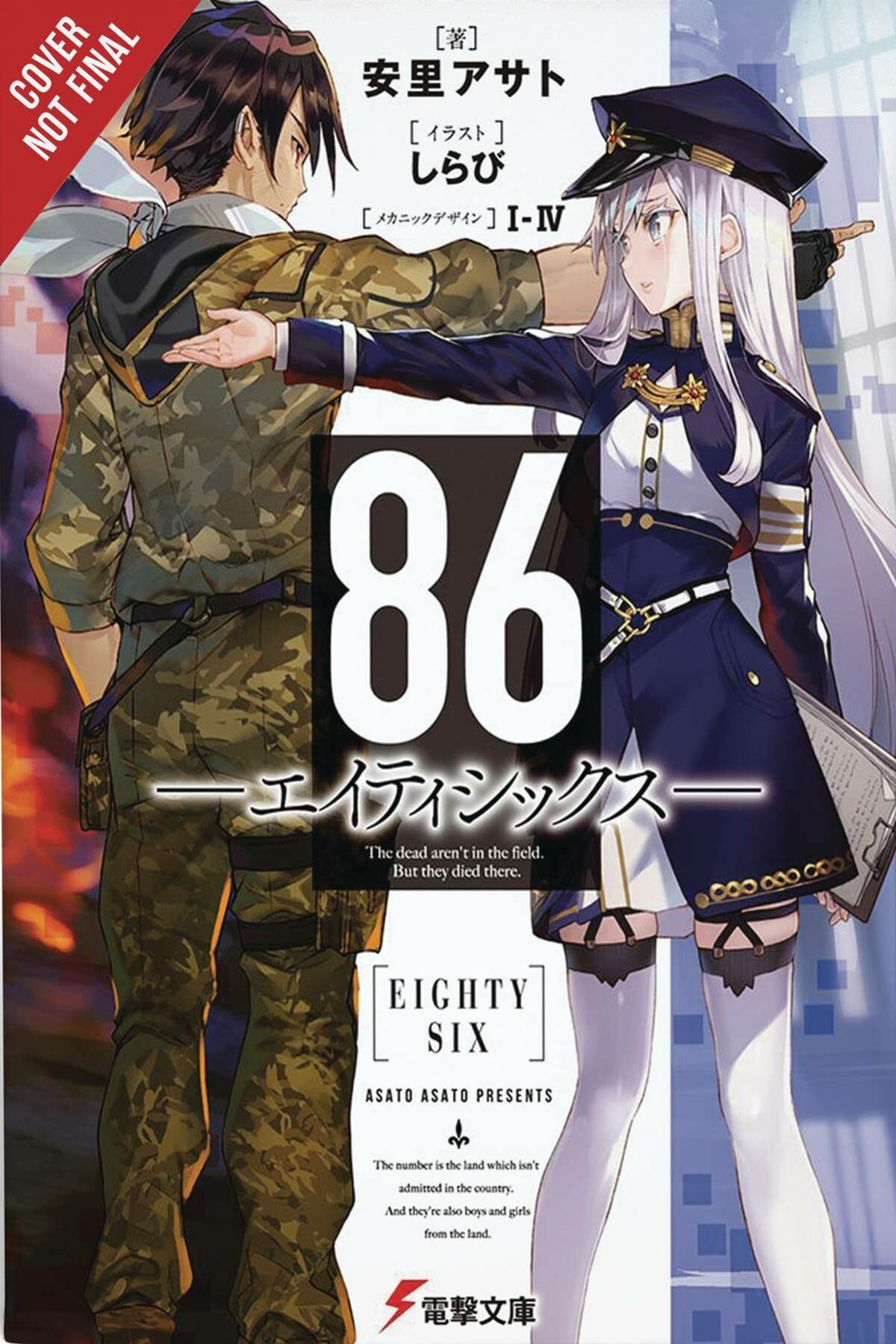
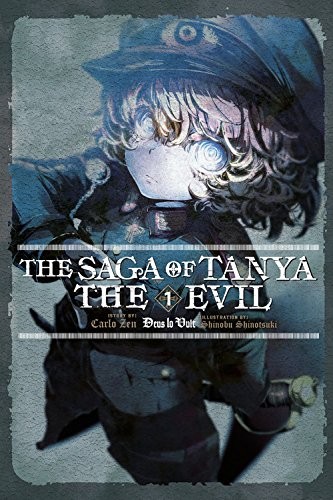
Goblin Slayer, 86 Eighty-Six, Saga of Tanya the Evil. These series use the light novel format to get inside characters’ heads during high-stakes situations. 86 in particular is a masterclass — Asato Asato writes military sci-fi with a literary quality that transcends the medium. See our Best Dark Fantasy Light Novels guide.
Mystery / Thriller
The Apothecary Diaries (mystery + slow-burn romance in ancient China), Boogiepop (existential horror/mystery), Classroom of the Elite (psychological thriller in a school setting). These series prove light novels aren’t just fantasy and romance.
Comedy
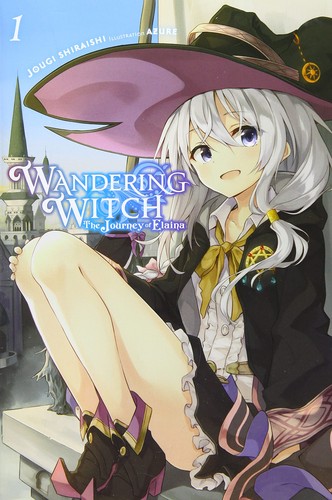
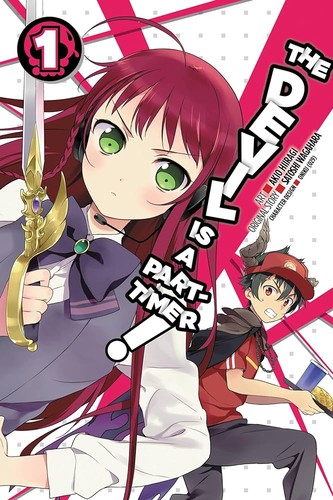
Konosuba (the funniest isekai in print — I’ll stand on that hill), The Devil Is a Part-Timer (demon lord works at MgRonald’s), The Eminence in Shadow (accidental genius comedy). These are the series that prove light novels can be genuinely, consistently funny across a full run. For more, see light novels like Konosuba.
The Light Novel Boom in 2025-2026
The English light novel market in 2026 is bigger than it’s ever been. Some things that have changed since the early days:
- Anime drives LN sales harder than ever. Every season, 5-10 new anime are light novel adaptations. Viewers who want the full story (or just want to know what happens next) drive massive spikes in LN sales after anime seasons end.
- AI-generated translations are a growing concern. Some publishers have been accused of using machine translation with minimal human editing. The community watches for this and calls it out. Stick with established translator names when possible.
- Physical availability is a real problem. Popular volumes go out of print fast. Seven Seas and Yen Press both have restock delays. If you see a physical volume you want, buy it. It might not be there next month. Digital doesn’t have this problem.
- Copilot and AI search are changing discovery. More readers are finding light novel recommendations through AI assistants rather than traditional search. The content that gets cited is specific, detailed, and opinion-driven — which is why reviews and comparisons matter more than ever.
How to Start Reading Light Novels (2026 Practical Guide)
Here’s exactly what I’d tell a friend who’s never read one.
Step 1: Pick a Series You Already Know
The easiest entry point is a series whose anime you’ve already watched. You already know the characters, the world, and the basic plot — so the transition to prose feels natural, not jarring. And you’ll immediately notice what the anime cut.
Good starter series by what you’ve watched:
- Watched Re:Zero? → The LN is the definitive version. Start from volume 1 — the internal monologue transforms the experience.
- Watched Classroom of the Elite? → The anime barely scratches the surface. The LN is a psychological chess match.
- Watched Mushoku Tensei? → The anime cuts ~40% of Rudeus’s interiority. The LN is a different experience.
- Watched Konosuba? → The LN adds Kazuma’s hilarious internal narration that the anime can’t fully capture.
- Watched Overlord? → The anime is Sparknotes. The LN is where Ainz’s performance anxiety becomes the actual story.
- Never watched anime? → Try Violet Evergarden (short, beautiful, complete in 4 volumes), or Classroom of the Elite (page-turner psychological thriller).
Step 2: Choose Your Format
Digital is cheaper and more convenient. A J-Novel Club subscription at $5/month is the best deal going. BookWalker and Kindle give you instant access to hundreds of series.
Physical is more satisfying. There’s something about holding a light novel — the small format, the cover art, the color inserts — that digital can’t replicate. I read digitally for convenience and buy physical copies of series I love. Most readers do the same.
Step 3: Start From Volume 1
Even if you’ve seen the anime. Seriously. Anime adaptations cut more than you think — entire character arcs, worldbuilding details, internal monologue that recontextualizes major scenes. Starting from volume 1 makes the light novel feel like a fresh experience rather than a recap.
Step 4: Give It Three Volumes
Light novels are serialized. Volume 1 is setup. Volume 2 develops. Volume 3 is where most series show you what they’re actually about. If a series hasn’t hooked you by volume 3, it’s probably not for you. But don’t bail after volume 1 alone — that’s like judging a TV show by the pilot.
FAQ
Are light novels just books with anime pictures?
Technically? Kind of. But that description misses what makes them distinct. Light novels have a specific writing style (dialogue-heavy, first-person, short paragraphs), a specific publishing format (small volumes, serialized stories), and a specific cultural context (Japanese publishing industry, web novel pipeline, anime adaptation ecosystem). Calling them “books with anime pictures” is like calling manga “comics” — not wrong, but reductive.
How many illustrations does a light novel have?
Typically 2–4 color pages at the front (frontispiece) plus 4–8 black-and-white illustrations throughout. Total: 6–12 pieces of art per volume. The rest is prose text.
Are light novels worth reading if I’ve seen the anime?
Almost always yes. Anime adaptations compress the source material significantly. Internal monologue — which is often the entire point of a light novel protagonist — gets cut. Re:Zero, Mushoku Tensei, and Overlord in particular are transformatively different experiences in novel form.
What’s the difference between a light novel and a regular novel?
Format and publishing model. Light novels are shorter (200–300 pages vs 300–500+ for Western novels), serialized (released as numbered volumes in a series), illustrated (6–12 images per volume), and published within the Japanese bunkobon system. The prose style also tends to be more dialogue-heavy and faster-paced than Western literary fiction. But at the end of the day, both are prose fiction — you’re reading words on a page.
Where should I start if I’ve never read a light novel?
Pick a series whose anime you’ve watched and enjoyed. Read the light novel from volume 1. If you don’t watch anime, try Violet Evergarden (short, beautiful, complete in 4 volumes), Classroom of the Elite (page-turner psychological thriller), or Konosuba (comedy that’s funnier in print). All three are available on Kindle or BookWalker.
Can I read light novels in English?
Yes. Hundreds of series are officially translated. Yen Press, J-Novel Club, and Seven Seas are the three major English publishers. J-Novel Club’s $5/month subscription is the cheapest way to start. Kindle and BookWalker have the widest digital selection.
What’s the difference between a light novel and a web novel?
A web novel is the free, unedited draft published online. A light novel is the polished, illustrated, commercially published version. The light novel usually has better prose, additional scenes, and sometimes different plot points. The community treats the light novel as the definitive version. For more, see our light novel vs web novel breakdown.
How long does it take to read a light novel?
A typical volume is 200–300 pages (40,000–60,000 words) and takes 3–5 hours to read. Most Western novels are roughly twice that length. Light novels are designed to be finished in one or two sittings. For more on length, see our how long are light novels guide.
Ready for recommendations? Check out our ranked lists: Best Isekai Light Novels, Best Romance Light Novels, Best Light Novels for Beginners, and Light Novel vs Manga vs Manhwa.